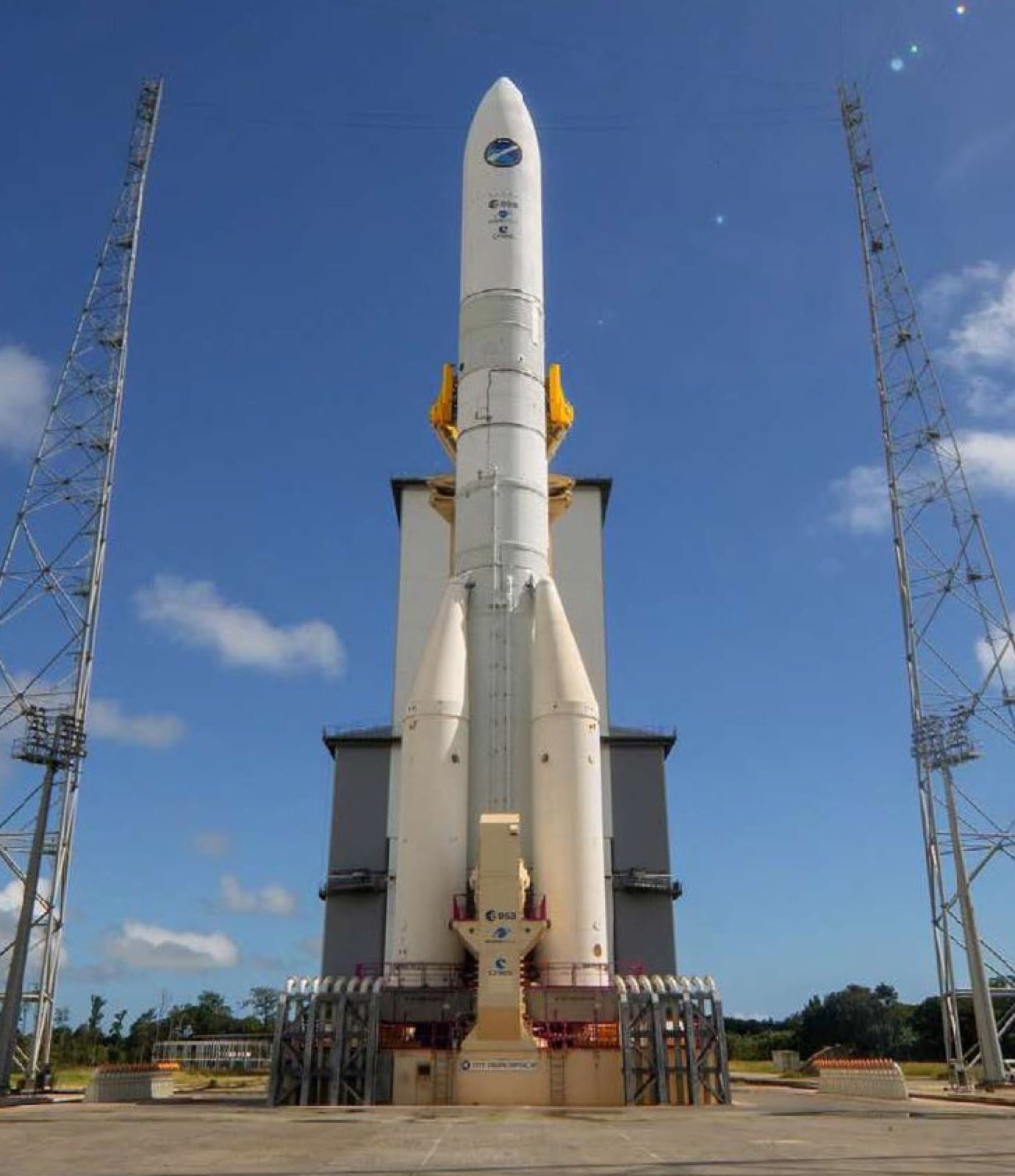
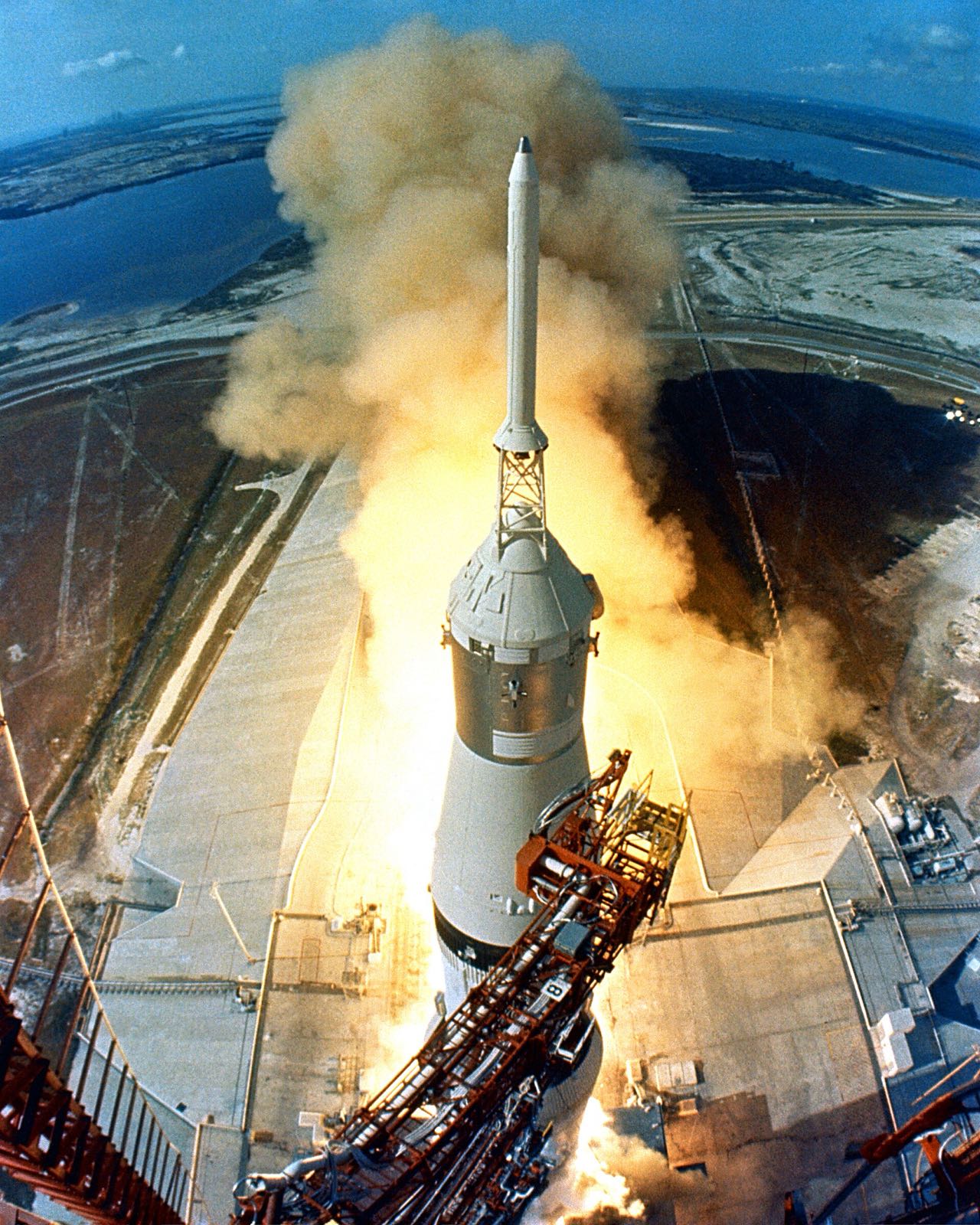
5.4 m diameter, 11.7 m long, 120,000 lb propellant capacity
In short
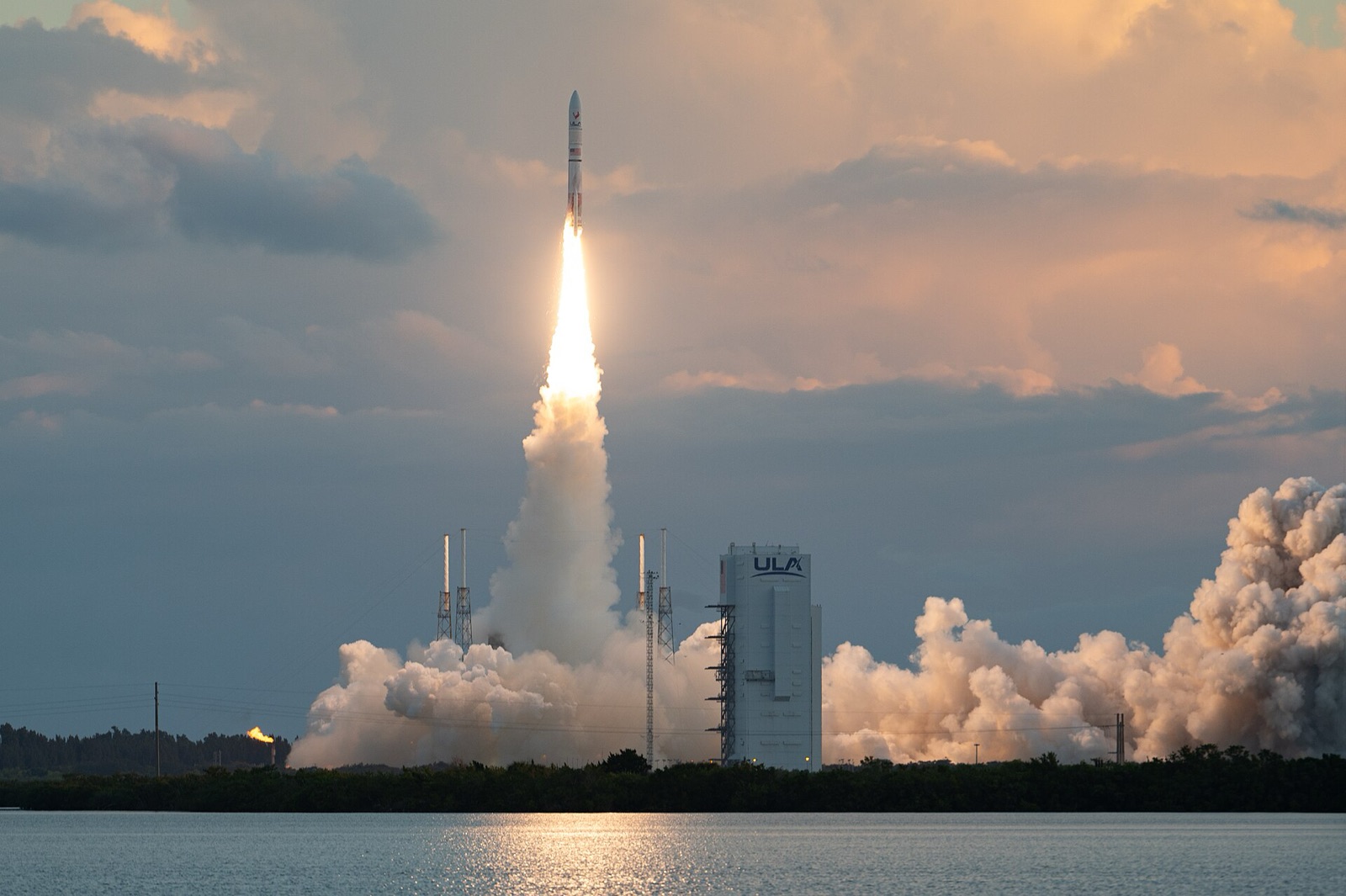
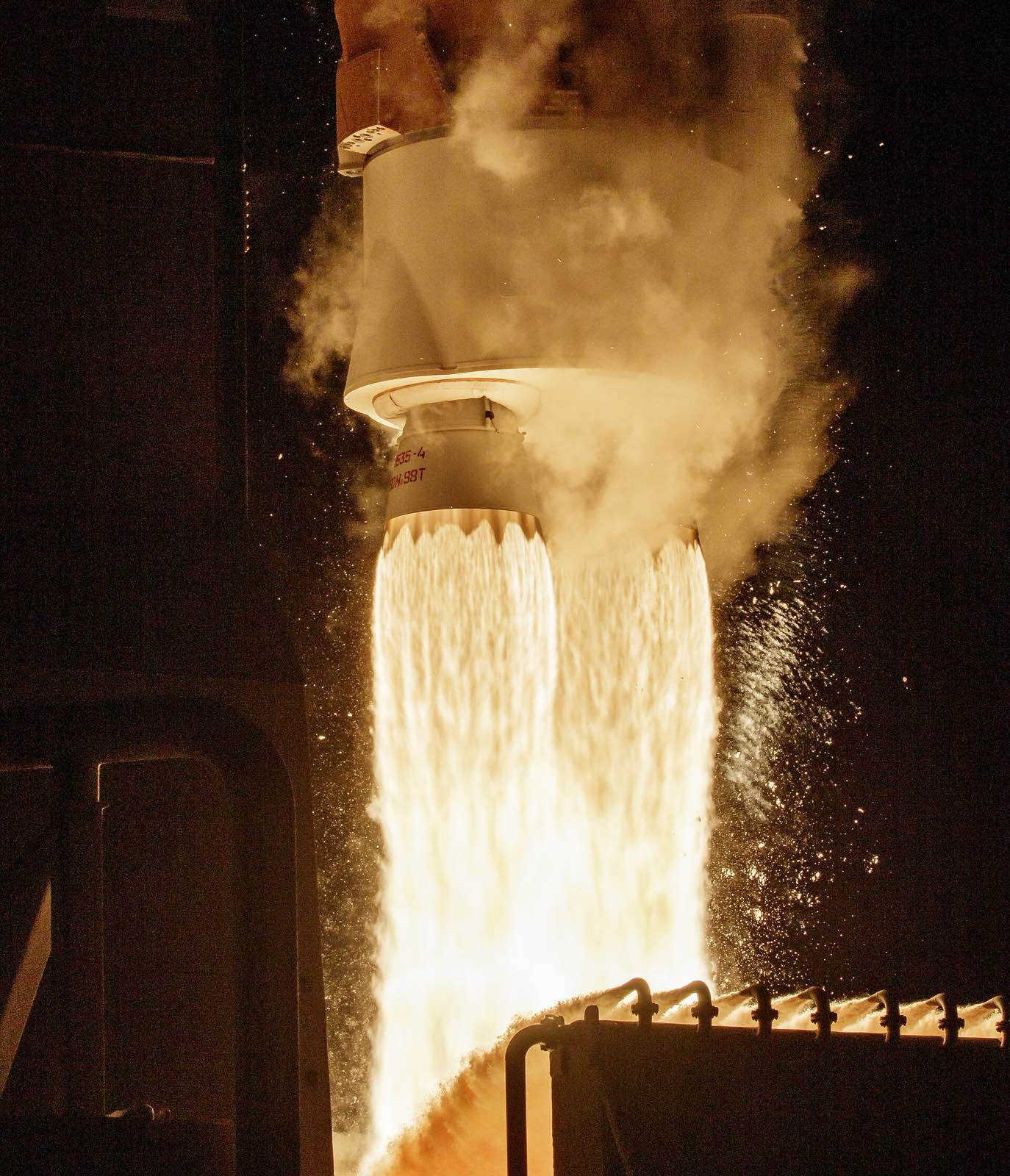
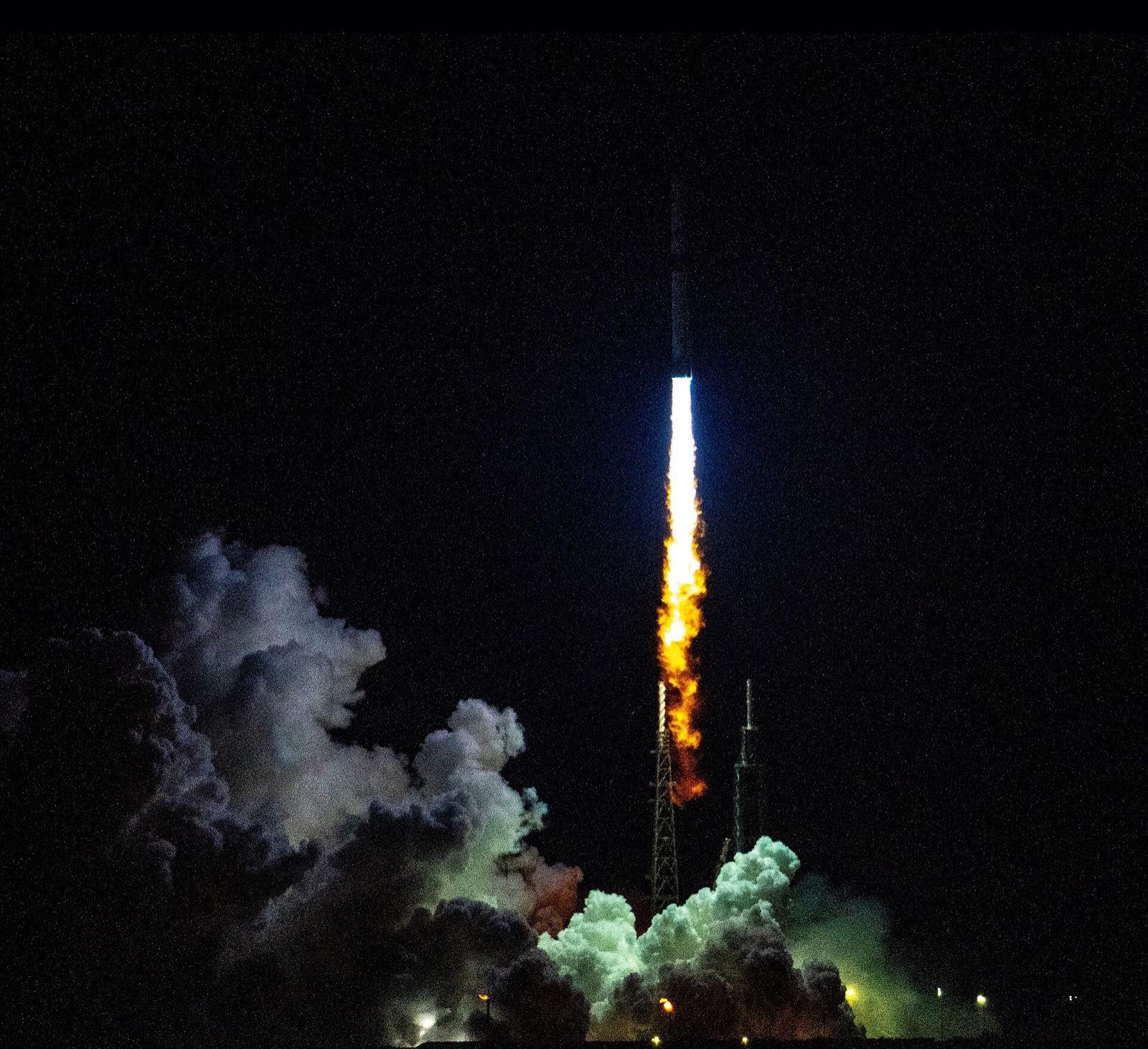
Vulcan Centaur is a heavy launcher from United Launch Alliance, built for national security, civil and commercial payloads and flown from Florida and California. Two BE-4 engines power the booster, and zero to six solid boosters can be added. It first flew on 8 January 2024, carrying Astrobotic's Peregrine lunar lander.
The booster's tanks are aluminium orthogrid, walls with a grid of stiffening ribs, welded by a stirring method called friction stir welding. The Centaur V upper stage has a thin stainless steel tank that holds its shape from the pressure inside. The fairing is a graphite-epoxy sandwich around a vented aluminium honeycomb core.
Application
Vulcan Centaur launches national security, civil and commercial payloads from Florida and California. Its materials mix aluminum orthogrid tanks, a pressure stabilized stainless Centaur V tank and a composite fairing.
Photos
How it is built
Booster tanks
Orthogrid panels formed in a press brake and spun-formed aluminium domes make up the tanks. Two friction stir welding machines built by PAR Systems join them at ULA's Decatur site. The oxygen and natural gas tanks share a common bulkhead, and the booster holds over a million pounds of propellant.
Booster propellant tanks
Booster tank panels and domes
Friction-stir welded tank barrels and domes
Booster common bulkhead
Booster liquefied natural gas (LNG) fuel tank
Booster engines
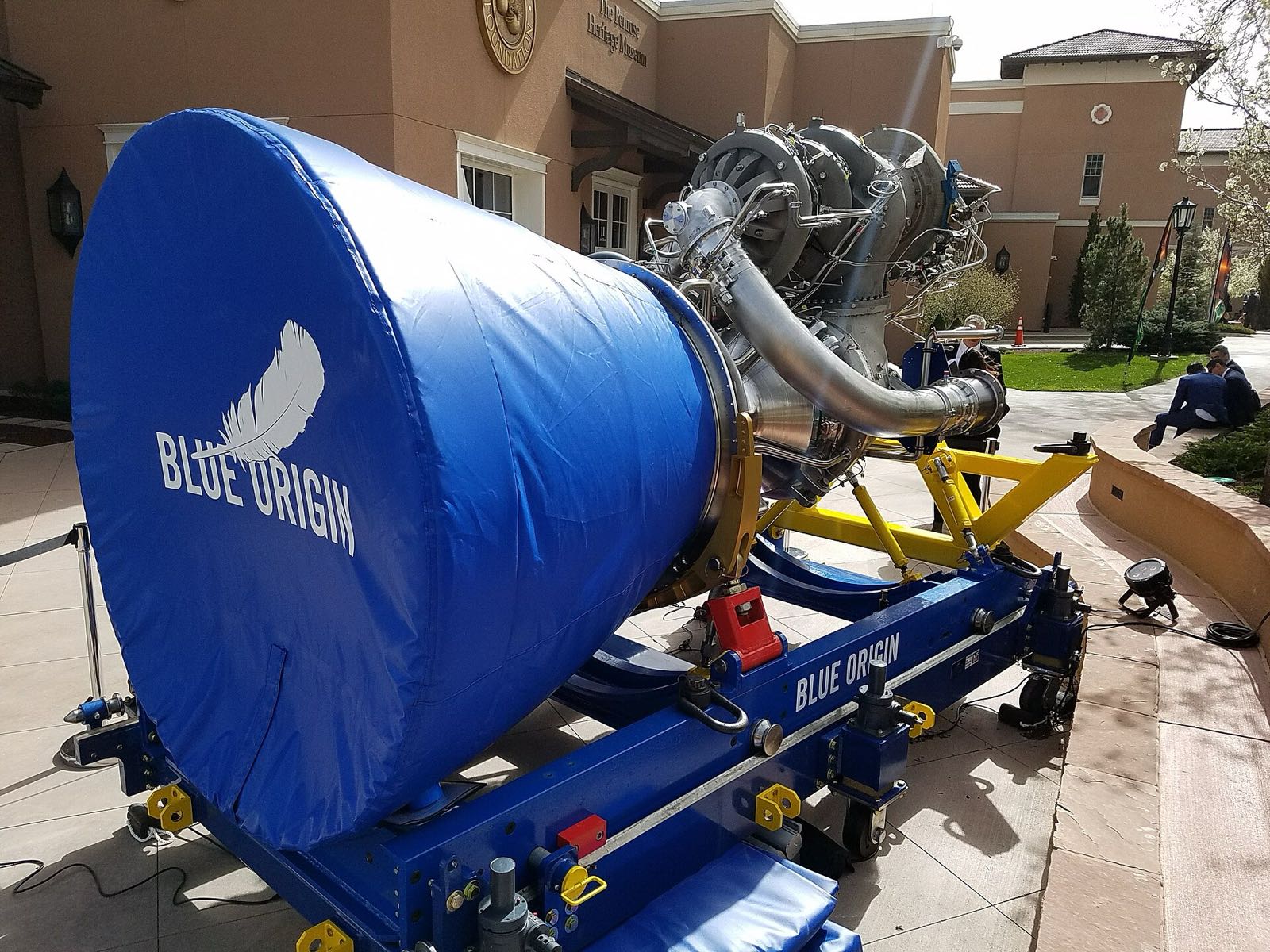
Two BE-4 engines from Blue Origin burn liquid oxygen and liquefied natural gas, each pushing with 2446.5 kilonewtons at sea level. A propellant utilisation system signals when the booster's propellants run out, and that starts the engines' shutdown sequence. An interstage adapter joins the booster to the Centaur V.
BE-4 engines (x2)
Booster liquid oxygen (LO2) tank
Booster LO2 feedline
Booster propellant utilization system
Interstage adapter
Centaur V
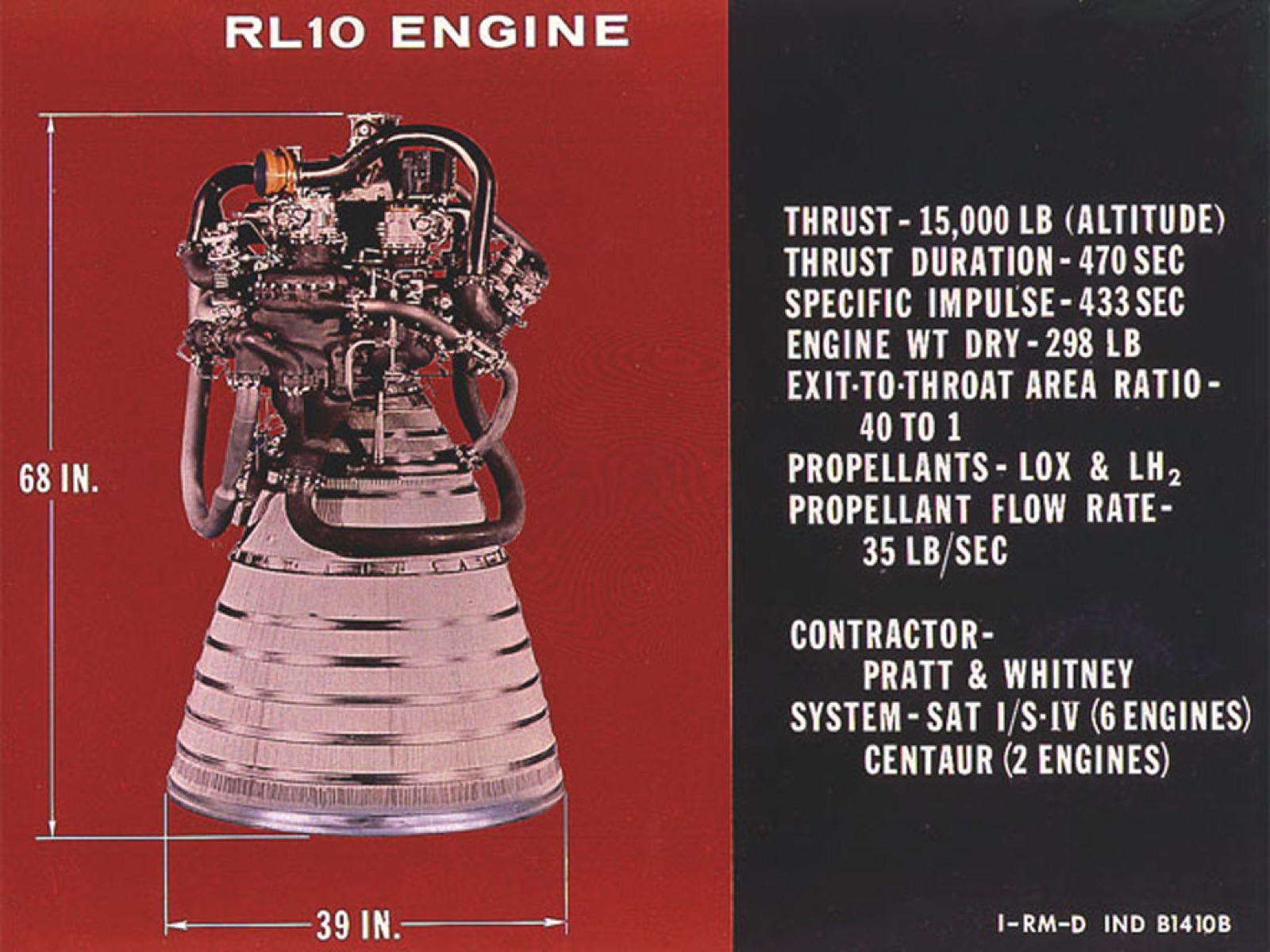
Centaur V is 5.4 metres across and 11.7 metres long and holds 120,000 pounds of propellant. Its hydrogen and oxygen tanks share a common bulkhead and are insulated with spray-on foam, plus blankets and radiation shields for long coasts. Two RL10C-1-1A engines of 23,825 pounds-force each power it.
Centaur V propellant tank
Centaur V LH2 and LO2 tanks with common bulkhead and aft bulkhead
Spray-on foam insulation (SOFI)
Multilayer insulation (MLI) blankets and radiation shields
RL10C-1-1A engines (x2)
Fairing
The fairing is 5.4 metres across, and 15.5 metres long as standard or 21.3 metres in its long form. It is a two-piece shell that separates without debris, on spring packs and a frangible joint built to break cleanly. Acoustic panels cut noise for the payload.
5.4-m payload fairing
Payload fairing separation system
Fairing acoustic panels
Solid boosters
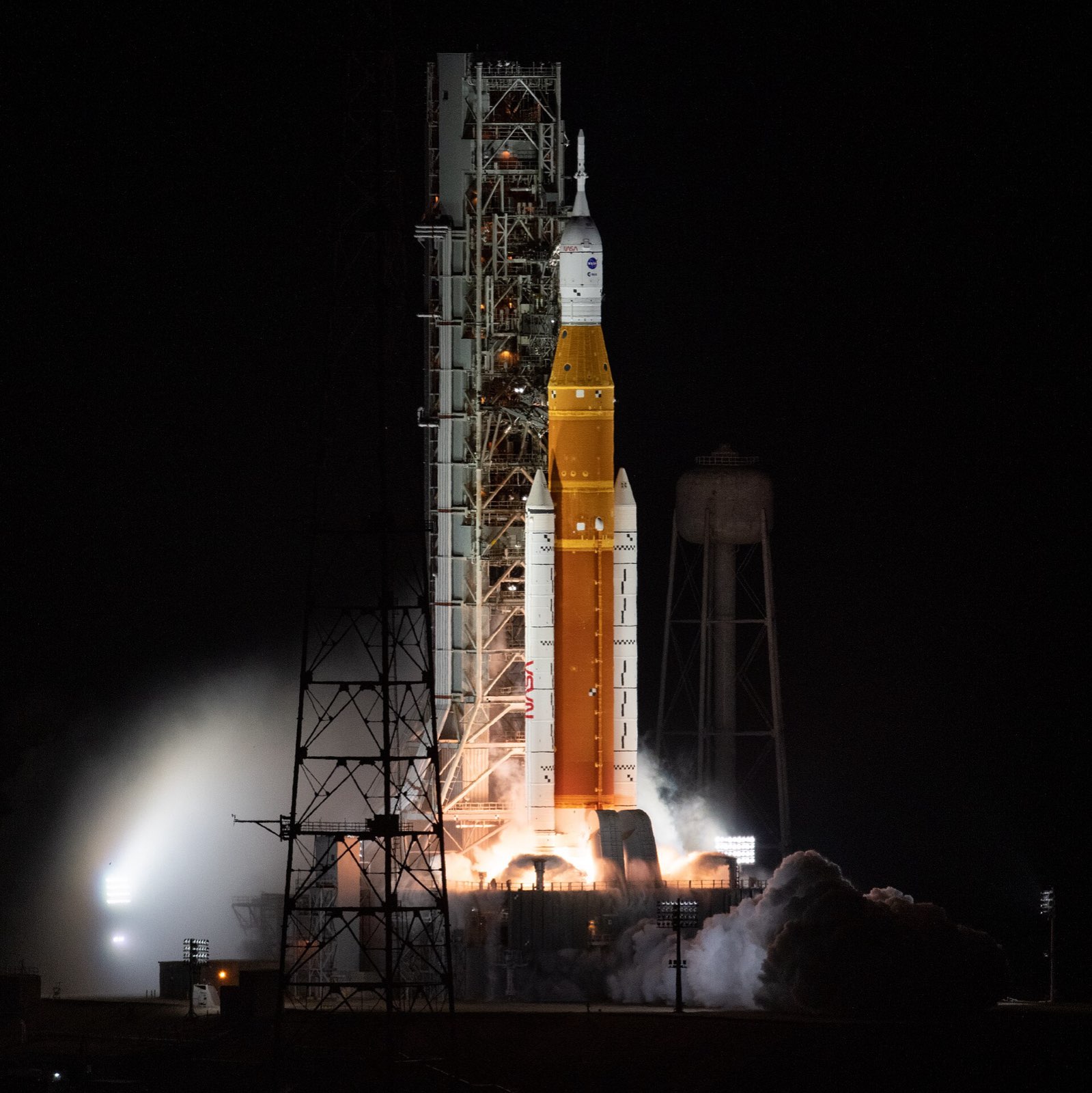
Zero, two, four or six GEM 63XL boosters from Northrop Grumman can be strapped on. Each is a stretched Atlas V GEM 63 with 10 percent more total impulse. The case is graphite-epoxy composite, 63 inches across and 21.9 metres long, and the throttle profile is built into the shape of the propellant grain.
GEM 63XL motors
GEM 63XL motor case
GEM 63XL nozzle
GEM 63XL propellant grain
Where the parts areNumber of parts we have listed in each group
Blankets that add insulation to the Centaur V tanks for long coasts.
The materials by familyHow many of the parts that name a material use each one
Aluminium5
Other2
Stainless steel1
Polymers and foams1
Carbon fibre1
How it connects to other things
Two BE-4 engines from Blue Origin power the booster, and two RL10C-1-1A engines power the Centaur V. Northrop Grumman supplies the solid boosters. Vulcan replaces Atlas V and Delta IV Heavy, and it builds on Atlas V's Centaur stage and GEM 63 boosters. Its first flight carried the Peregrine lunar lander, and Amazon's Project Kuiper satellites and the Dream Chaser spaceplane are planned payloads.
RL10 engine. Here: Centaur V: two RL10C-1-1A engines, 23,825 lbf each. There: Common Centaur: one engine (SEC) or two (DEC); RL10A-4-2 in the 2010 guide, RL10C-1 now.
Aluminium. Here: Booster propellant tanks; Booster tank panels and domes. There: Pressure vessel (seven large pieces, friction-stir welded); Backbone assembly (floor structure) and more.
Aluminium. Here: Booster propellant tanks; Booster tank panels and domes. There: Structure, three major assemblies; Through-hole spacers, aluminium, 15.24 mm x 6.0 mm OD (x16) and more.
stainless steel. Here: Centaur V propellant tank. There: Chassis screws (ten per structure, M3x5mm flathead); Threaded rods, M3 stainless (x4) and more.
Aluminium. Here: Booster propellant tanks; Booster tank panels and domes. There: TPMU/DSLP housing.
Aluminium honeycomb core. Here: Payload fairing sandwich construction (refines the existing 5.4 m fairing row); Payload fairing sandwich construction. There: H-configuration inner panels (3); Outer panels without cells and more.
What we do not know
ULA's user guide says nothing about alloys. The aluminium alloy of the booster tanks, the grade of the Centaur V stainless steel, and the resin and fibre in the fairing and booster cases are not named. Nor are the makers of valves, batteries and avionics boxes, or the supplier of Vulcan's RL10 engines.
The detailed data
What is written above is built from these numbers and quotes. Each row links to the page it was taken from. Get all of it as JSON, or ask our MCP server.
Features
Four-character configuration name gives SRB count and fairing length
Multi-manifest missions need the long fairing
Specifications
What
Value
BE-4 thrust
2446.5 kN (550k-lbf) sea level each, two engines
Liftoff thrust
over 3.3M pounds maximum
Fairing length
15.5 m standard or 21.3 m long
Booster diameter
5.4 m
Upper stage engines
two RL10C engines
First flight (Cert-1)
8 Jan 2024, 2:18 a.m. EST, Space Launch Complex-41; Astrobotic Peregrine to a trans-lunar orbit
First national security launch (USSF-106)
12 Aug 2025, VC4S, direct to geosynchronous orbit
Centaur V size
5.4 m diameter, 11.7 m long, 120,000 lb propellant capacity
Vehicle height
about 61.6 m (202 ft) with the standard fairing; 67.4 m (221 ft) with the long fairing
RL10C-1-1A thrust
23,825 lbf (106 kN) each
GEM 63XL total mass and thrust
117,700 lb (53,400 kg); maximum thrust 463,249 lbf; 864 in long
GEM 63XL maximum thrust
463,249 lbf
GEM 63XL length
864 in (2,195 cm); longest single-cast solid motor produced
SRB burn
about a minute and a half, then jettisoned
Launch manifest at first flight
more than 70 launches on the manifest
Materials in detail
Each material named in the sources: where it is used here, which other products use it, and its key numbers when its material page exists.
The user guide names the structural material of the booster, Centaur V, fairing type and the 1575 PAF. It gives no alloys, composite systems or internal parts lists. Components, suppliers and links were added from public sources. A material is left blank where no source states it.
Aluminum alloy, stainless grade and fairing composite not stated; GEM 63XL case and propellant materials not stated in this guide; BE-4 and RL10 internals not covered; first flight date not in the guide. More detail: The 2023 user guide has no vehicle-description chapter, so booster and Centaur V internals come from ULA fact sheets and the USSF-106 page. Not published in the pages read: aluminium alloy of the booster tanks, stainless grade of Centaur V, resin and fibre of the fairing and GEM 63XL case, RL10C-1-1A internals, and the makers of valves, batteries, avionics boxes and the Centaur V forward adapter. The RL10 maker for Vulcan is not named in these ULA pages (ULA's Atlas V page names L3Harris for RL10C-1). The fairing sandwich statement (graphite-epoxy faces over vented aluminium honeycomb) resolves the 'composite (type not stated)' row in the current entry, and the GEM 63XL case statement resolves the missing SRB case material. More detail: The 2023 user guide has no vehicle-description chapter, so booster and Centaur V internals come from ULA fact sheets and the USSF-106 page. Not published in the pages read: aluminium alloy of the booster tanks, stainless grade of Centaur V, resin and fibre of the fairing and GEM 63XL case, RL10C-1-1A internals, and the makers of valves, batteries, avionics boxes and the Centaur V forward adapter. The RL10 maker for Vulcan is not named in these ULA pages (ULA's Atlas V page names L3Harris for RL10C-1). The fairing sandwich statement (graphite-epoxy faces over vented aluminium honeycomb) resolves the 'composite (type not stated)' row in the current entry, and the GEM 63XL case statement resolves the missing SRB case material.