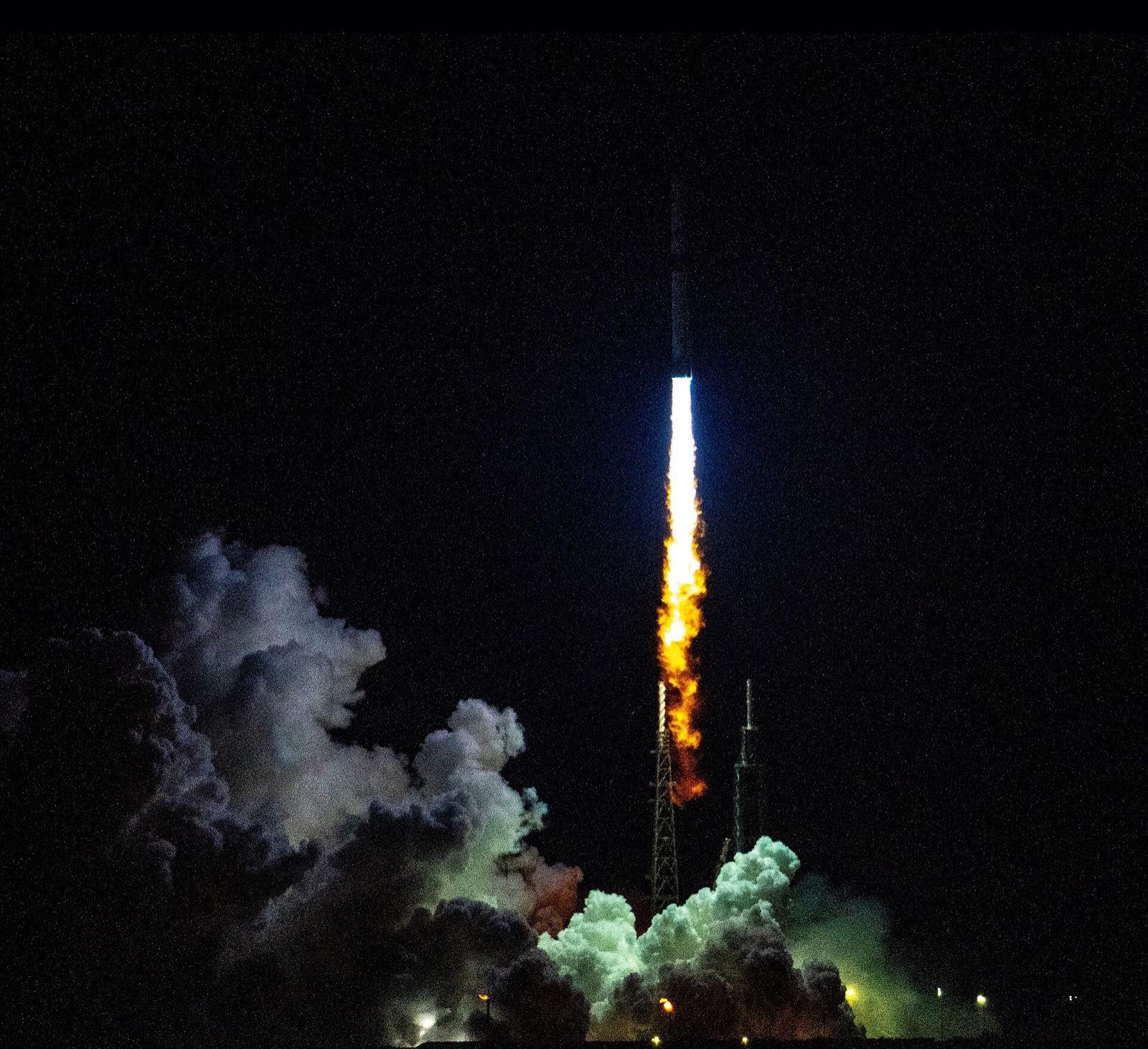
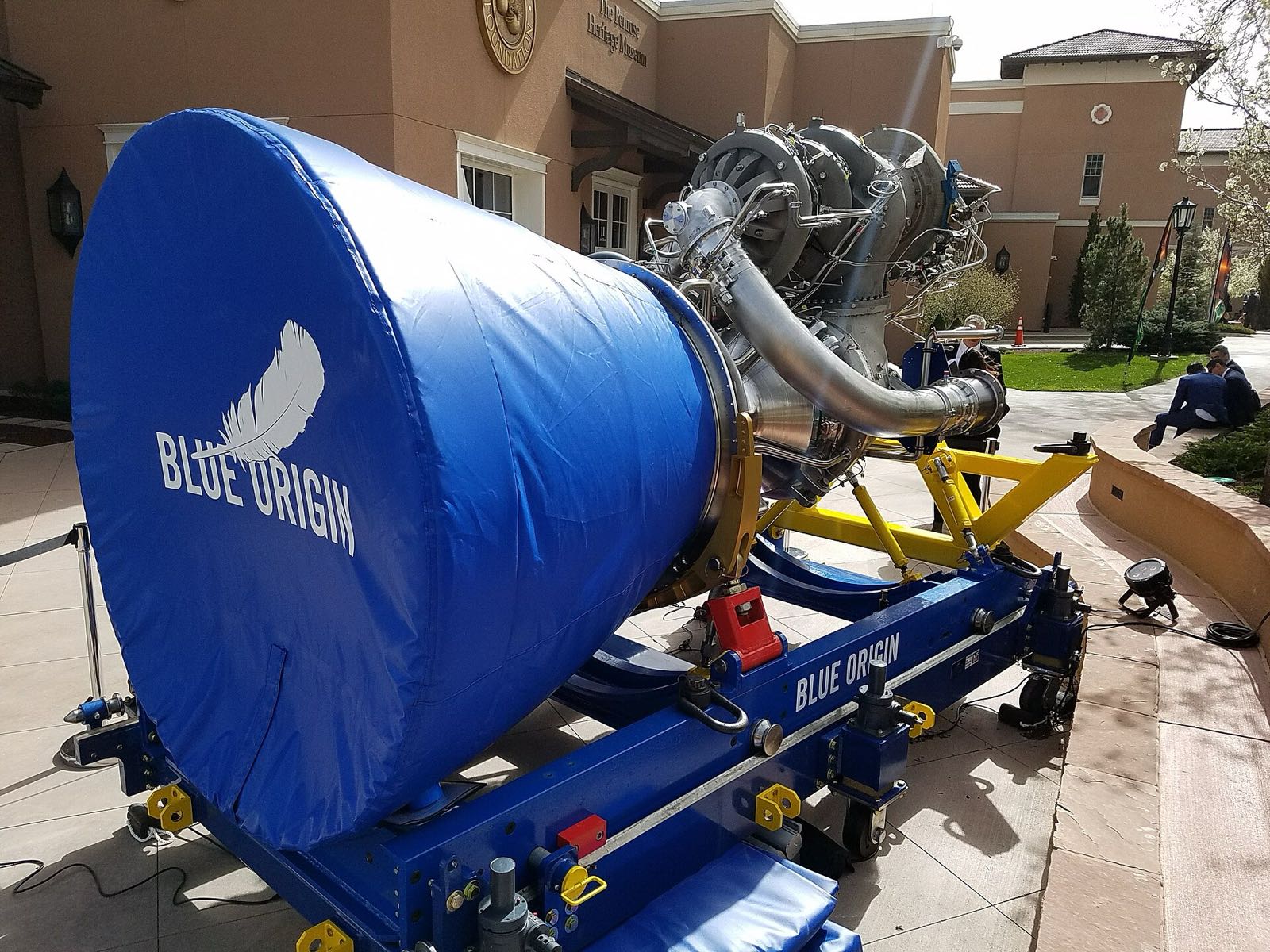
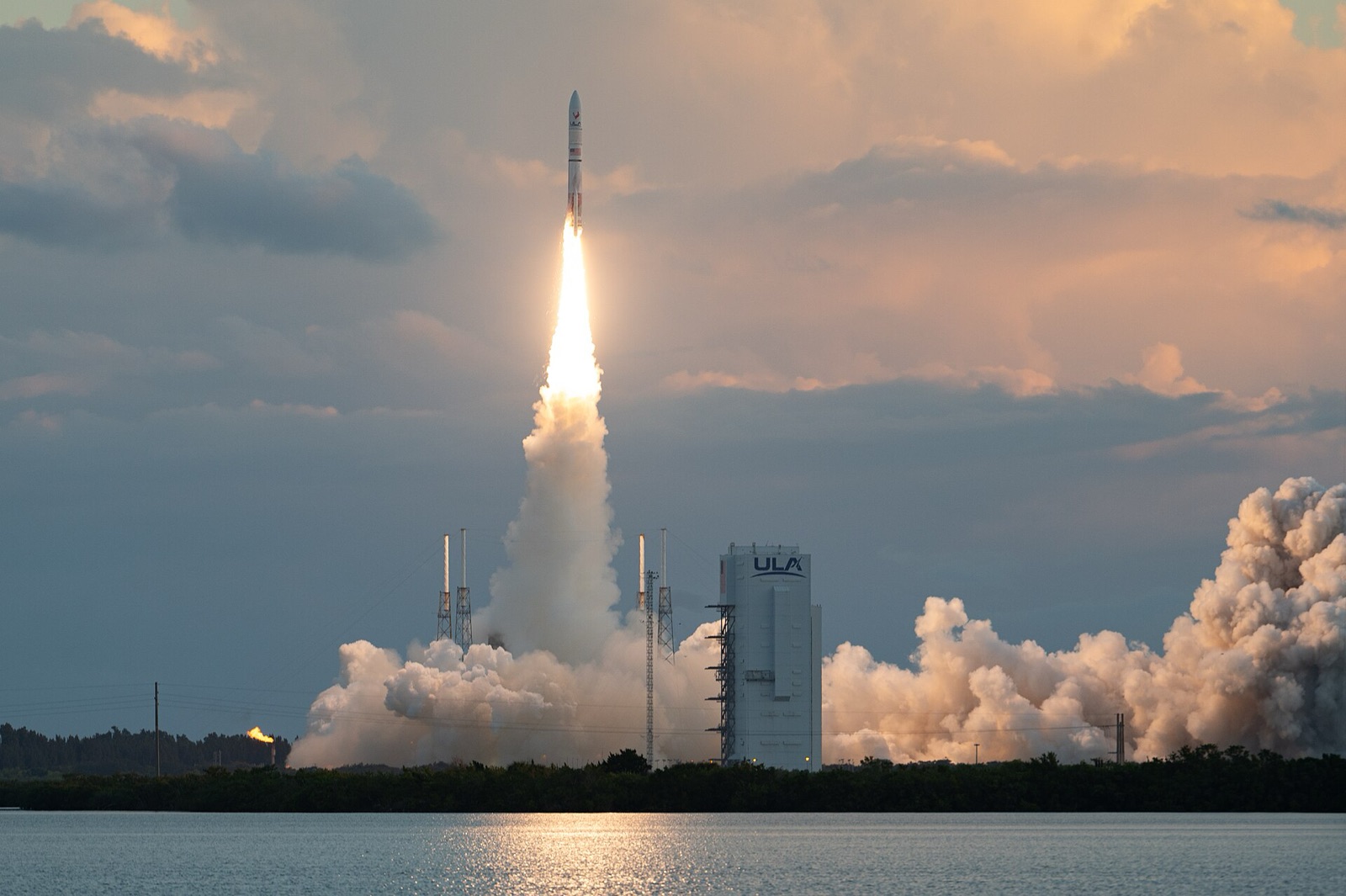
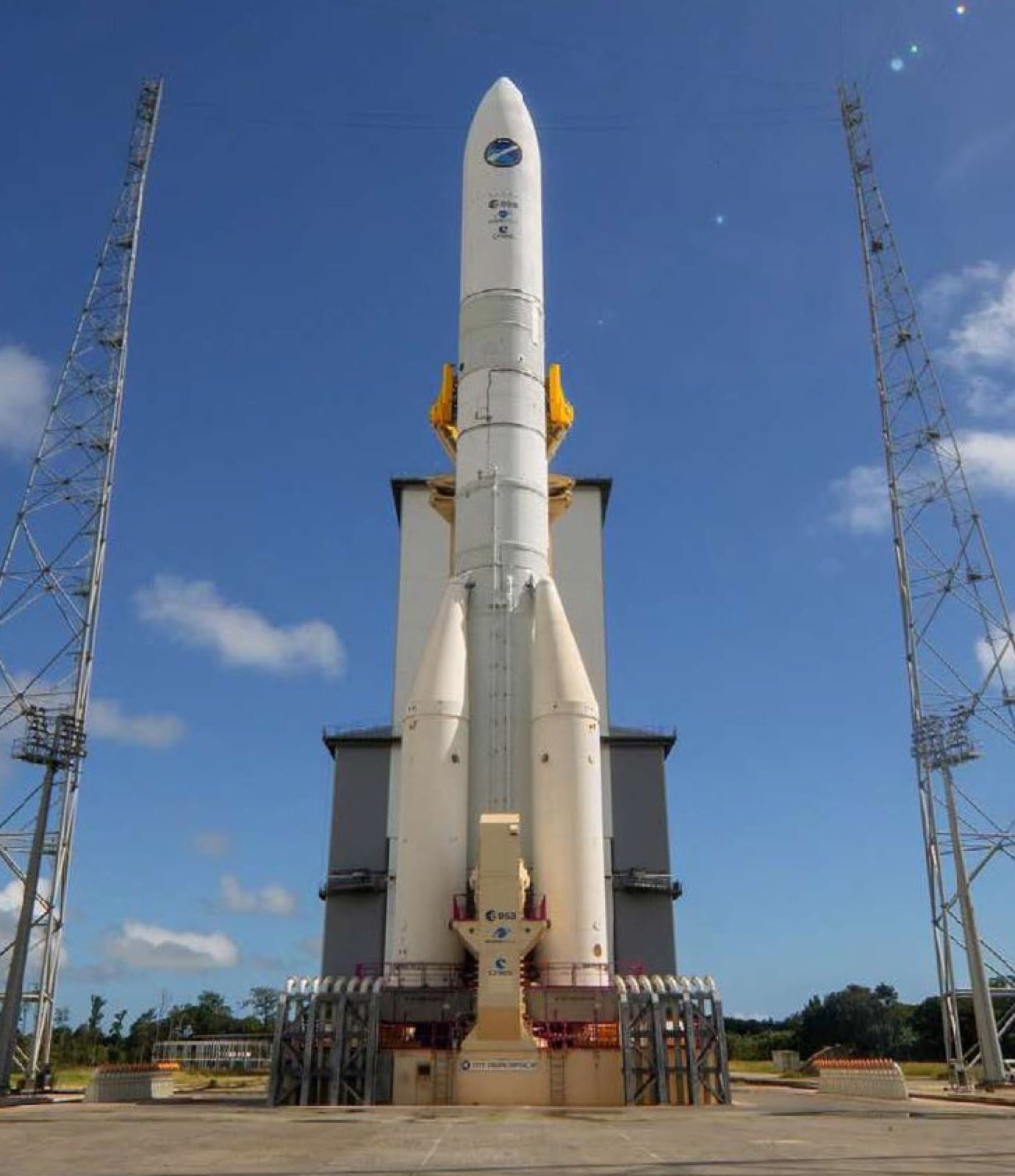
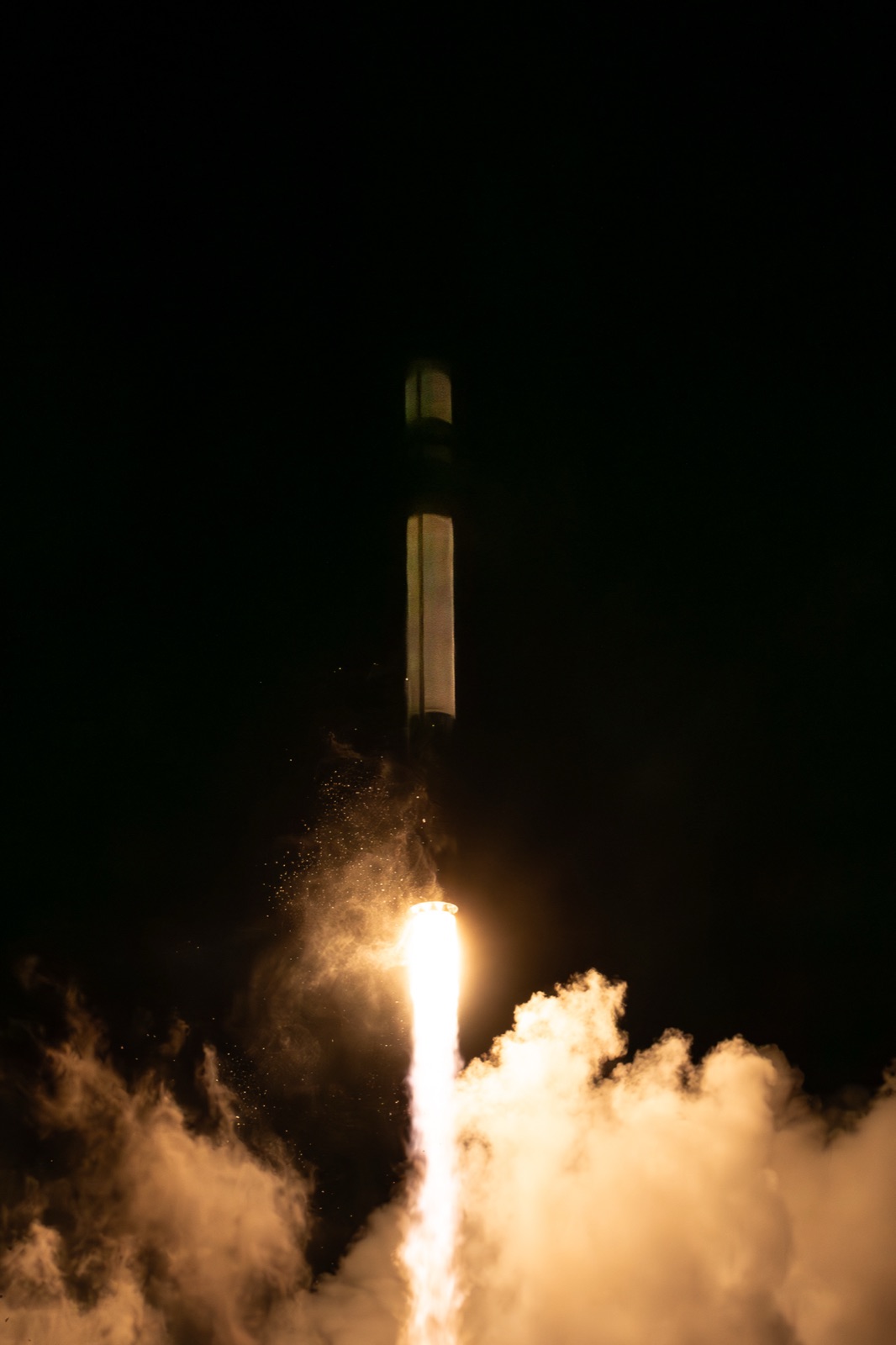
New Glenn is a heavy-lift rocket from Blue Origin, built for large satellites and for national security and NASA payloads. It stands about 320 feet tall and 23 feet across. The first stage is designed to land and be flown again, at least 25 times. It first flew on 16 January 2025.
The fairing, the cover that protects the payload, is carbon composite and 7 metres across. Constellium's aluminium-lithium plate goes into both the very cold (cryogenic) and the warmer parts of the structure. Both stages pressurise their tanks with propellant gas instead of helium.
Application
Blue Origin's heavy-lift orbital launcher for large satellites, national security and NASA payloads. The 7 m fairing is meant for very large payloads, and the booster is designed to land and be reused.
Photos
How it is built
First stage
Seven BE-4 engines burn liquid oxygen and methane. The liquid oxygen tank holds 30,000 cubic feet (850 cubic metres). To land, the booster fires three engines for the re-entry burn and one for the landing burn.
Reusable first stage (GS1 booster)
BE-4 engines (x7)
First-stage liquid oxygen tank
Autogenous pressurisation (both stages)
Tanks and bulkheads
Both stages use orthogrid aluminium tanks, with a grid of ribs stiffening the walls. The domes are welded aluminium. Common bulkheads, each a single wall shared by two propellant tanks, keep the propellants apart.
Orthogrid aluminium tanks with welded domes and common bulkheads (both stages)
Orthogrid aluminium second-stage material
Cryogenic and non-cryogenic structure (part not specified)
Second stage
Two BE-3U engines, tuned for vacuum, burn liquid hydrogen with liquid oxygen. The stage is about 26.8 metres tall and is not recovered.
BE-3U engines (x2)
Second-stage structure (expendable)
Common bulkhead (second stage)
Fairing and separation
The carbon composite fairing is 7 metres across. A separation system releases the first stage about three minutes into flight. A jettison system drops the fairing halves after the booster burn.
Payload fairing (nose cone)
Stage separation system
Fairing jettison system
Landing and launch site
The first successful landing came on the second flight, on 13 November 2025, on a sea-going platform called Jacklyn. Blue Origin launches from Launch Complex 36 at Cape Canaveral and builds the rocket in a factory near Kennedy Space Center. It is also developing reusable fairings.
Landing Platform Vessel Jacklyn
Launch Complex 36 (LC-36)
Rocket factory near Kennedy Space Center
Where the parts areNumber of parts we have listed in each group
Orthogrid tank walls, welded domes and common bulkheads on both stages. Blue Origin does not name the alloy.
The materials by familyHow many of the parts that name a material use each one
Aluminium3
Other1
How it connects to other things
Seven BE-4 engines power the first stage, and Blue Origin plans a larger version with nine. Two BE-3U engines, a vacuum version of the BE-3, power the second stage, and four are planned for the larger rocket. Constellium supplies the aluminium-lithium plate. The vertical landing builds on technology Blue Origin developed earlier, for New Shepard. The first flight carried the Blue Ring Pathfinder, and the second carried NASA's twin ESCAPADE spacecraft.
Aluminium. Here: Orthogrid aluminium tanks with welded domes and common bulkheads (both stages); Orthogrid aluminium second-stage material. There: TPMU/DSLP housing.
Aluminium. Here: Orthogrid aluminium tanks with welded domes and common bulkheads (both stages); Orthogrid aluminium second-stage material. There: Telescope (structure and mirrors, 3 telescopes).
Aluminium. Here: Orthogrid aluminium tanks with welded domes and common bulkheads (both stages); Orthogrid aluminium second-stage material. There: Main structure tube; Equipment box (EQB) and more.
Aluminium. Here: Orthogrid aluminium tanks with welded domes and common bulkheads (both stages); Orthogrid aluminium second-stage material. There: Aluminium inserts, in-plane and out-of-plane (DiskSat build).
Carbon fibre. Here: Payload fairing (nose cone). There: Face skin carbon fibre; HR40 / NB321 unidirectional prepreg and more.
Aluminium. Here: Orthogrid aluminium tanks with welded domes and common bulkheads (both stages); Orthogrid aluminium second-stage material. There: Vulcain 2.1 thrust frame; Vinci thrust frame and more.
Carbon fibre. Here: Payload fairing (nose cone). There: P120C motor casing; Nose fairing (user manual description) and more.
Aluminium. Here: Orthogrid aluminium tanks with welded domes and common bulkheads (both stages); Orthogrid aluminium second-stage material. There: Pressure vessel (seven large pieces, friction-stir welded); Backbone assembly (floor structure) and more.
Carbon fibre. Here: Payload fairing (nose cone). There: Core panels (webs, tank bulkhead, lower platform); Solar array wings (x4, X-wing, three panels each) with wing-tip cameras.
What we do not know
Blue Origin shares its payload guide only on request. It does not describe the tank alloys and grades, the interstage, the landing legs or the thrust structure. Nor does it say which parts use the Constellium plate. Published figures for liftoff thrust disagree.
The detailed data
What is written above is built from these numbers and quotes. Each row links to the page it was taken from. Get all of it as JSON, or ask our MCP server.
Features
Reusable first stage landing on a platform
Payload fairing recovery under development
Largest contiguous composite fairing claim by Blue Origin
Specifications
What
Value
Height
about 320 ft
First stage engines
seven BE-4, LOX and LNG
Second stage engines
two BE-3U, LOX and LH2
Lift-off thrust
about 4.62 million lbf
Fairing diameter
7 m
Second-stage thrust (2018 guide)
1060 kN (240,000 lb)
Second-stage height
about 26.8 m (88 ft)
First-stage LOX tank volume
30,000 cu ft (850 m3)
Design reuse of the first stage
at least 25 flights
First flight (NG-1)
16 January 2025
First successful booster landing
13 November 2025
9x4 version configuration
9 BE-4 on the first stage, 4 BE-3U on the second stage
9x4 version fairing
8.7 m (29 ft) diameter
Stage separation time (NG-2 timeline)
T+00:03:09
Materials in detail
Each material named in the sources: where it is used here, which other products use it, and its key numbers when its material page exists.
Two materials are stated in public sources: a carbon composite fairing and Constellium Al-Li Airware plate for structure (parts not specified). Components, suppliers and links were added from public sources. A material is left blank where no source states it.
Tank, engine, interstage and landing-leg materials not sourced. More detail: Blue Origin's own pages returned HTTP 429 for every attempt, and the FAA environmental assessment (draft, September 2026), the FAA public-meeting slides and the Federal Register notice all returned HTTP 403 or a bot redirect, so no readable primary vehicle description was available. The 2018 payload user's guide could be reached only through a blog excerpt. Not found in any readable source: landing-leg and any drag-brake or strake hardware (the 2017 concept had two strakes; no later source was readable), thrust structure, interstage, tank alloys and grades (the Constellium Airware plate is named but not tied to a part), payload adapters, avionics, flight computers and sensor vendors, and any supplier other than Constellium. Most rows are Wikipedia sentences or NASA ESCAPADE timeline labels (the labels are event names, not prose); the aluminium orthogrid statement is a Wikipedia sentence that cites the payload user's guide. The vehicle now flies as the 7x2 version; the 9x4 version is described by Wikipedia as planned and its numbers are listed only as variant data. A May 2026 pad explosion reported in the press is not a component fact and was not used. All quotes came through a text extractor and were not machine-checked. More detail: Blue Origin's own pages returned HTTP 429 for every attempt, and the FAA environmental assessment (draft, September 2026), the FAA public-meeting slides and the Federal Register notice all returned HTTP 403 or a bot redirect, so no readable primary vehicle description was available. The 2018 payload user's guide could be reached only through a blog excerpt. Not found in any readable source: landing-leg and any drag-brake or strake hardware (the 2017 concept had two strakes; no later source was readable), thrust structure, interstage, tank alloys and grades (the Constellium Airware plate is named but not tied to a part), payload adapters, avionics, flight computers and sensor vendors, and any supplier other than Constellium. Most rows are Wikipedia sentences or NASA ESCAPADE timeline labels (the labels are event names, not prose); the aluminium orthogrid statement is a Wikipedia sentence that cites the payload user's guide. The vehicle now flies as the 7x2 version; the 9x4 version is described by Wikipedia as planned and its numbers are listed only as variant data. A May 2026 pad explosion reported in the press is not a component fact and was not used. All quotes came through a text extractor and were re-checked in a second fetch pass but not against a saved copy of the page.