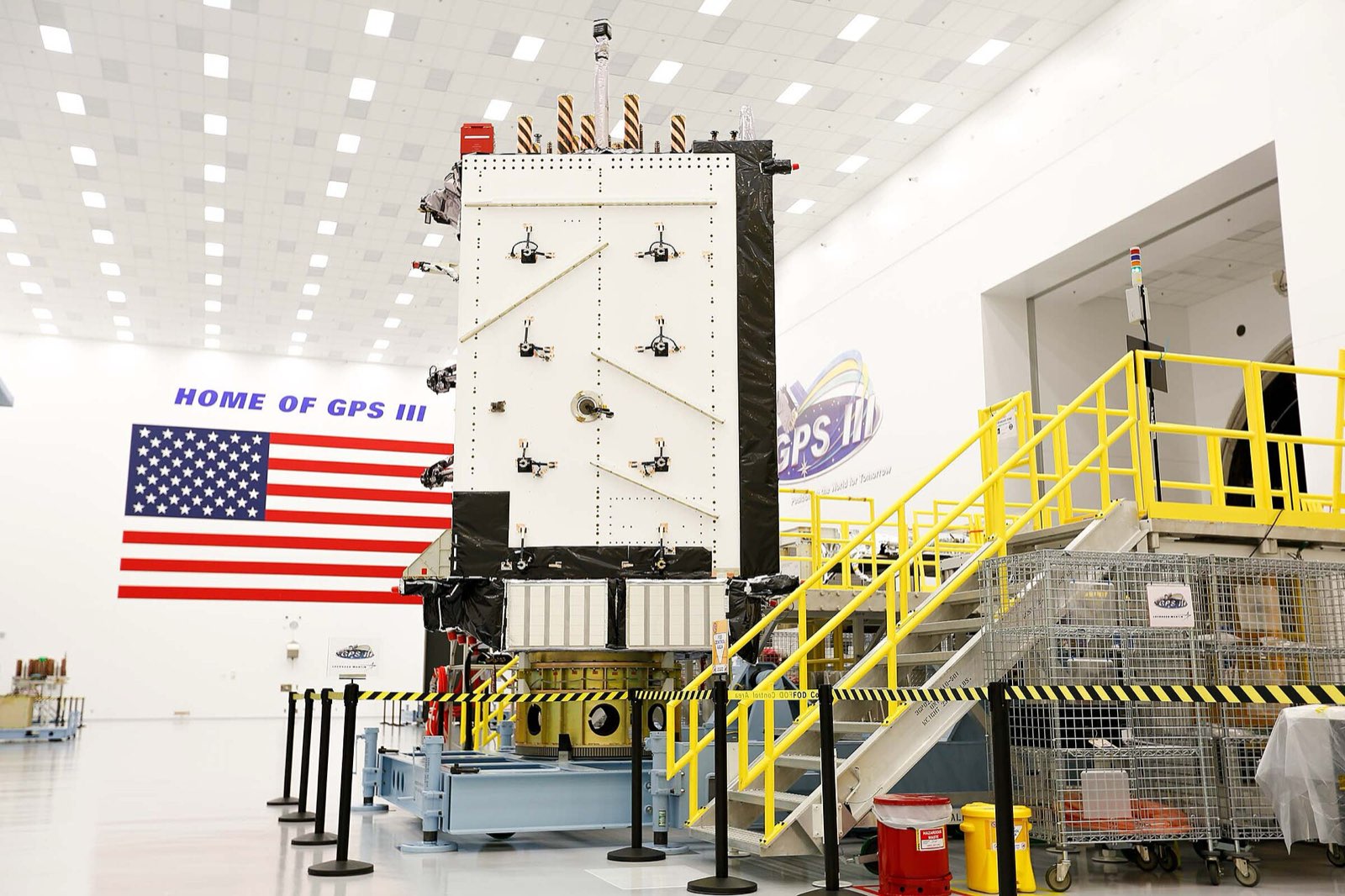
Osprey is the largest of the three satellite platforms that Blackwing Space sells. It is a 6U XL, 366 by 226 by 100 millimetres, rated at 10 to 60 watts of average power over an orbit. Like its smaller siblings it is sold online, and Blackwing says its rails suit late additions to shared launches.
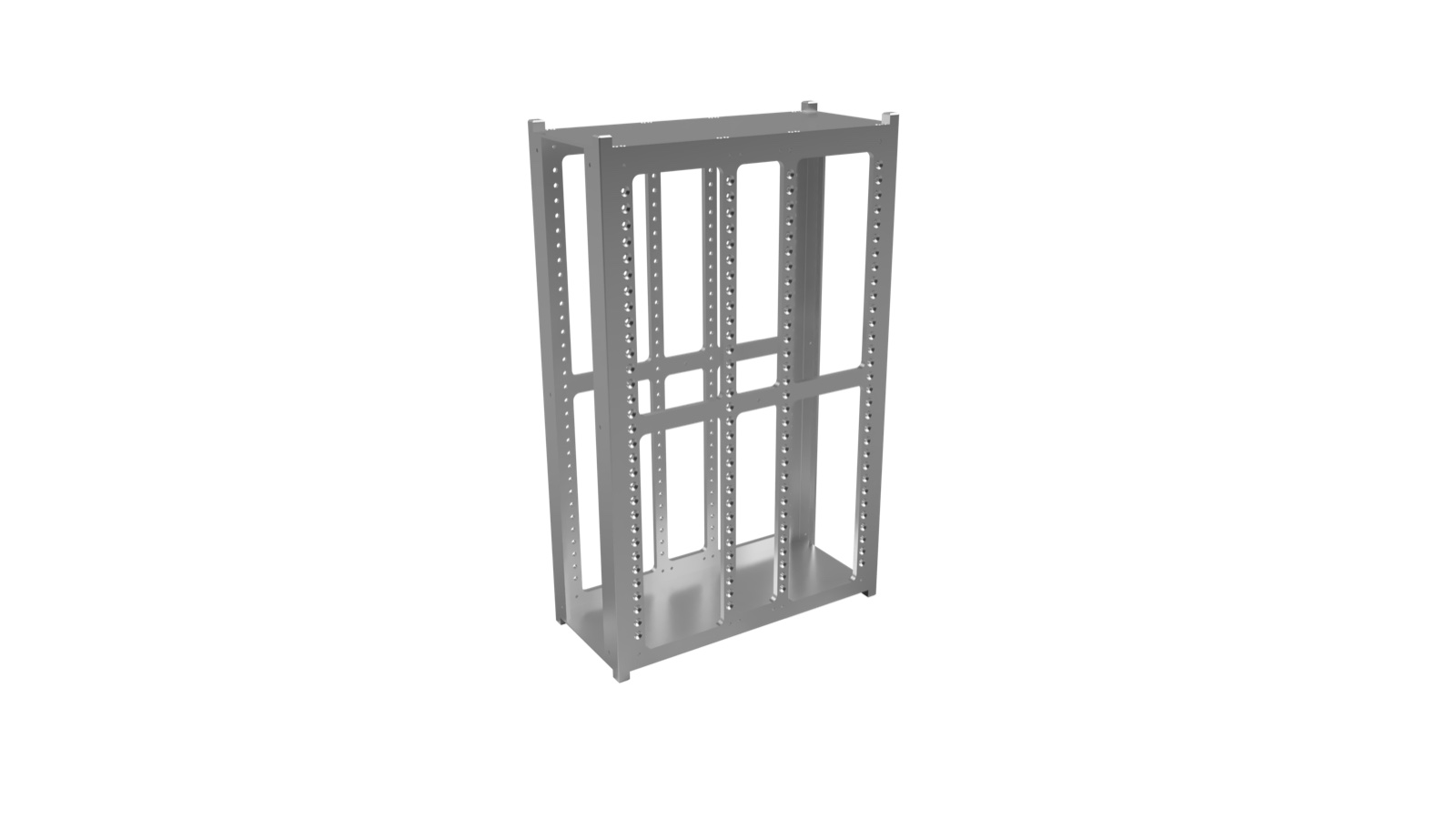
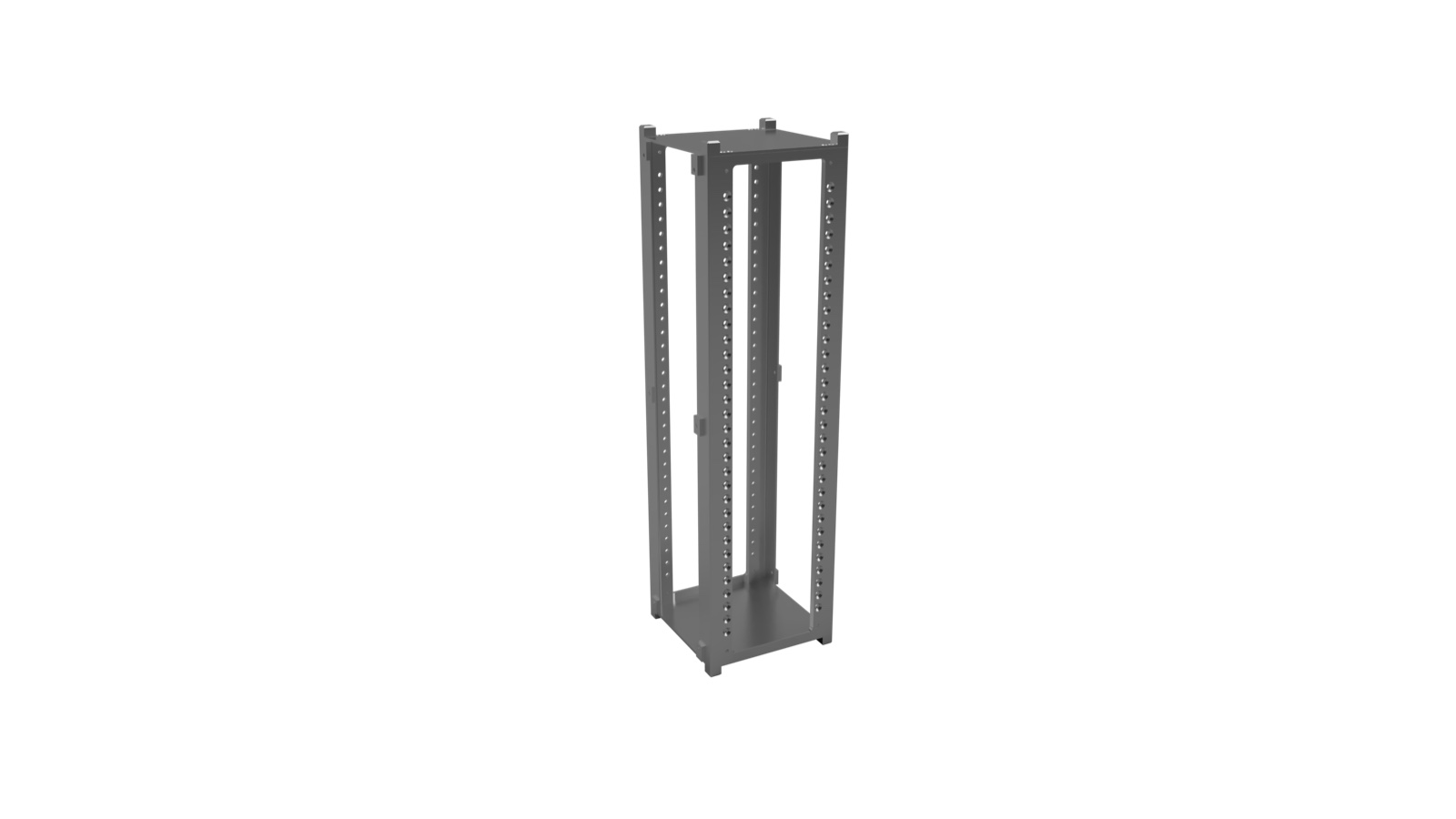
The frame is 6061 aluminium with a hard anodised finish. Four Puffin battery packs store 300 watt-hours between them. Whether the frame is qualified for SpaceX rideshare launches is still marked 'to be confirmed' on Blackwing's chassis page.
Application
The largest of the three platforms: a 6U XL bus with an 8 kg payload and 60 W of orbit-average power. It suits payloads that need more mass, volume and power than a 3U can offer, with the same online pricing and late-manifest rail format.
Photos
How it is built
Frame and side panels
Blank side panels are optional, and fasteners come with guided assembly instructions. The frame carries built-in mounting and electrical connections for solar arrays, a de-orbiting device, antennas and radiators, and optional mounts for deployment switches.
Osprey 6U XL Chassis
Osprey 6U XL Chassis optional side panels
Osprey 6U XL Chassis assembly fasteners
Chassis interface provisions
Deployment switch interfaces (optional)
Computer and batteries
One Rook board, the type Blackwing uses across its range, runs the platform. It is a four-layer FR-4 circuit board that holds the flight computer and the power electronics. A charge controller, fed by solar panels or a USB-C cable, charges four Puffin Packs of lithium-ion 18650 cells.
Rook onboard computer (one per platform)
Rook printed circuit board
Charge controller, TI BQ25798 buck-boost
Puffin battery pack (Puffin Pack)
Optional extras
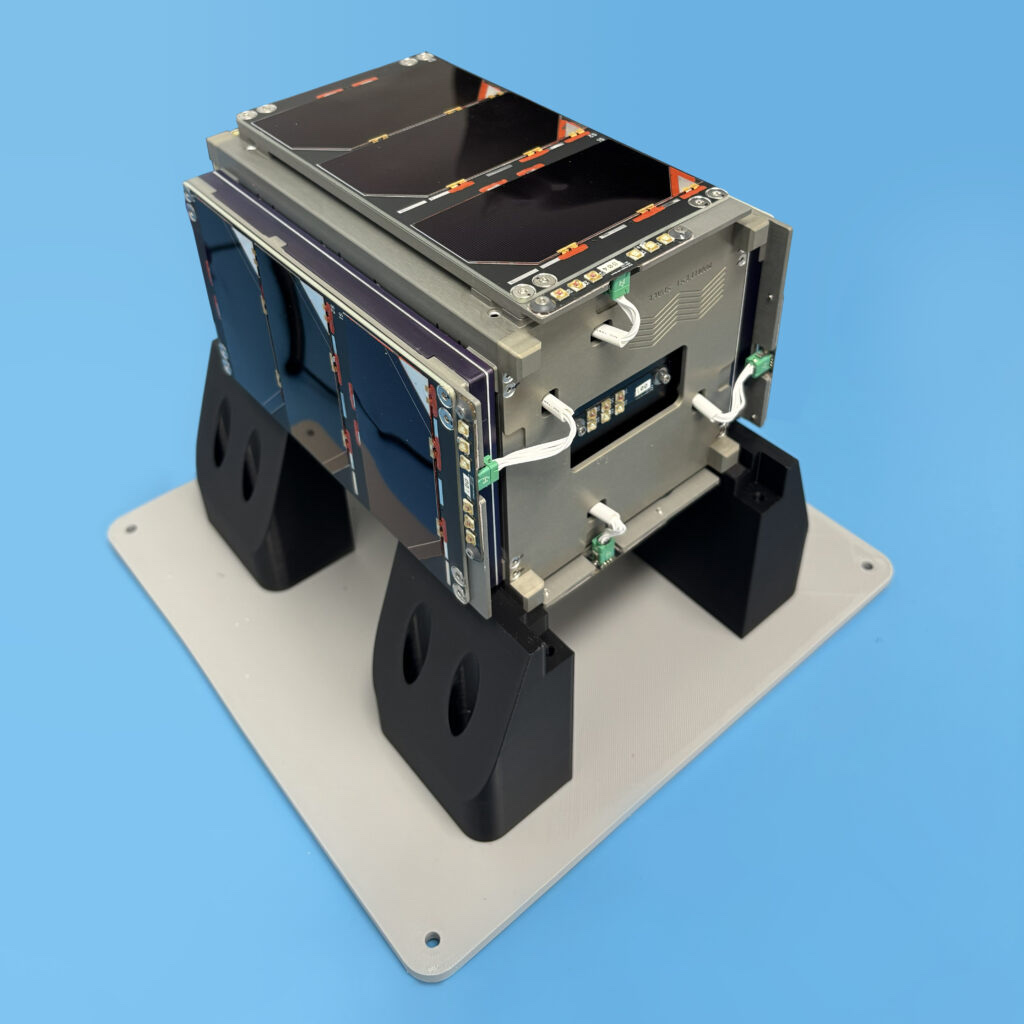
Extras include an S-band radio, an Iridium backup link, precision pointing control and two electric propulsion options, standard and advanced. A passive drag sail can be added as a deorbit device for the FCC's five-year lifetime rule. Solar panels can be body-mounted or carried on deployable wings.
S-band radio
Iridium transceiver
3-axis fine ADCS
Electric propulsion, standard
Passive drag sail
Where the parts areNumber of parts we have listed in each group
A draft Blackwing specification names a carbon composite shell as an alternative to the hard anodised finish.
The materials by familyHow many of the parts that name a material use each one
Other5
Polymers and foams2
Aluminium1
Glass fibre1
Semiconductors1
How it connects to other things
Blackwing says Osprey complies with the CubeSat Design Specification and the PC/104 board format. Four dispensers are named as compatible, from SEOPS, Maverick Space Systems, Exolaunch and Spacemind, and the same four fit Sparrow and Kestrel. The Rook computer grew out of the open-source PyCubed design. Blackwing's pages mention no Osprey flight.
Launched on
SEOPS Equalizer Flex (deployer)
Compatible deployer: 1U to 12U, tab and rail, up to 96U per port, flown on SpaceX Falcon 9 rideshare
Maverick Space Systems NLAS (deployer)
Compatible deployer: ruggedized 6U (or 2x3U) dispenser with NASA Ames NLAS heritage
Lithium-ion 18650 cells, two in series. Here: Puffin battery pack (Puffin Pack); Draft power module cells (Li-ion or LiFePO4). There: 18650 cell (Tenergy, 4 per card); Battery cell model (README).
Gallium arsenide. Here: Draft solar panel cells (triple-junction GaAs). There: Solar cell (SpectraLabs XTE-SF, 2 per module); Solar cell technology.
Blackwing publishes no datasheet, developer page or interface guide for Osprey. Its pages give two different payload masses, one marked 'to be confirmed', and two different weights for the frame. Fastener and side-panel materials, the type of anodising and the suppliers of radios, solar panels and thrusters aren't given.
The detailed data
What is written above is built from these numbers and quotes. Each row links to the page it was taken from. Get all of it as JSON, or ask our MCP server.
Features
Sold online as a commercial off-the-shelf system with transparent pricing
Modular architecture
Railed CubeSat format supports late manifesting in existing deployer slots
Specifications
What
Value
Form factor
6U XL
Payload
8 kg payload mass; 4U payload volume; 60W OAP (not defined on the site)
The only parts-level data is the chassis shop page and a spec-table row that name one aluminium alloy and a hard anodize; no drawings or interface documents exist for Osprey. Components, suppliers and links were added from public sources. A material is left blank where no source states it.
Deployable solar panel wings (1 or 2 panels)Optional deployable arrays to raise orbit-average power; body-mounted panels are the alternative“Deployable Solar Panels (1 Panel)”
Structure option: PEEK frameAlternative to aluminium in the draft structure specification (page marked draft, subject to change)“Material: Aluminum 6061-T6 or PEEK”
CubeSat specification (compliance claim only) · Chassis; the revision is not named
What the sources leave out
No Osprey developer page, payload interface guide, drawings or STEP file are published (Blackwing says Kestrel developer tools are in development; the Sparrow guide is the only published interface document). The pricing page says all platforms share the same payload interfaces, but the Sparrow payload module drawings are Sparrow-specific and are not applied here. No anodize standard, fastener material, side-panel material, or connector part number for this platform is stated. Chassis pages say 'Aluminum 6061 T6 or T651' without saying which. The Osprey chassis page marks payload mass and frame qualification as TBC. More detail: Osprey has no published developer page, interface guide or drawings (listed as coming soon). No bill of materials: fastener count and material, side-panel material, anodize type, solar panel and radio suppliers, ADCS and electric-propulsion suppliers, thermal coatings and adhesives are not stated. The chassis page marks payload mass (6 kg) and frame qualification as TBC while the pricing page gives 8 kg. The draft Specifications page quotes 0.80 kg for a 6U structure against 1.2 kg on the chassis page. No Osprey has flown according to the pages read. More detail: Osprey has no published developer page, interface guide or drawings (listed as coming soon). No bill of materials: fastener count and material, side-panel material, anodize type, solar panel and radio suppliers, ADCS and electric-propulsion suppliers, thermal coatings and adhesives are not stated. The chassis page marks payload mass (6 kg) and frame qualification as TBC while the pricing page gives 8 kg. The draft Specifications page quotes 0.80 kg for a 6U structure against 1.2 kg on the chassis page. No Osprey has flown according to the pages read.