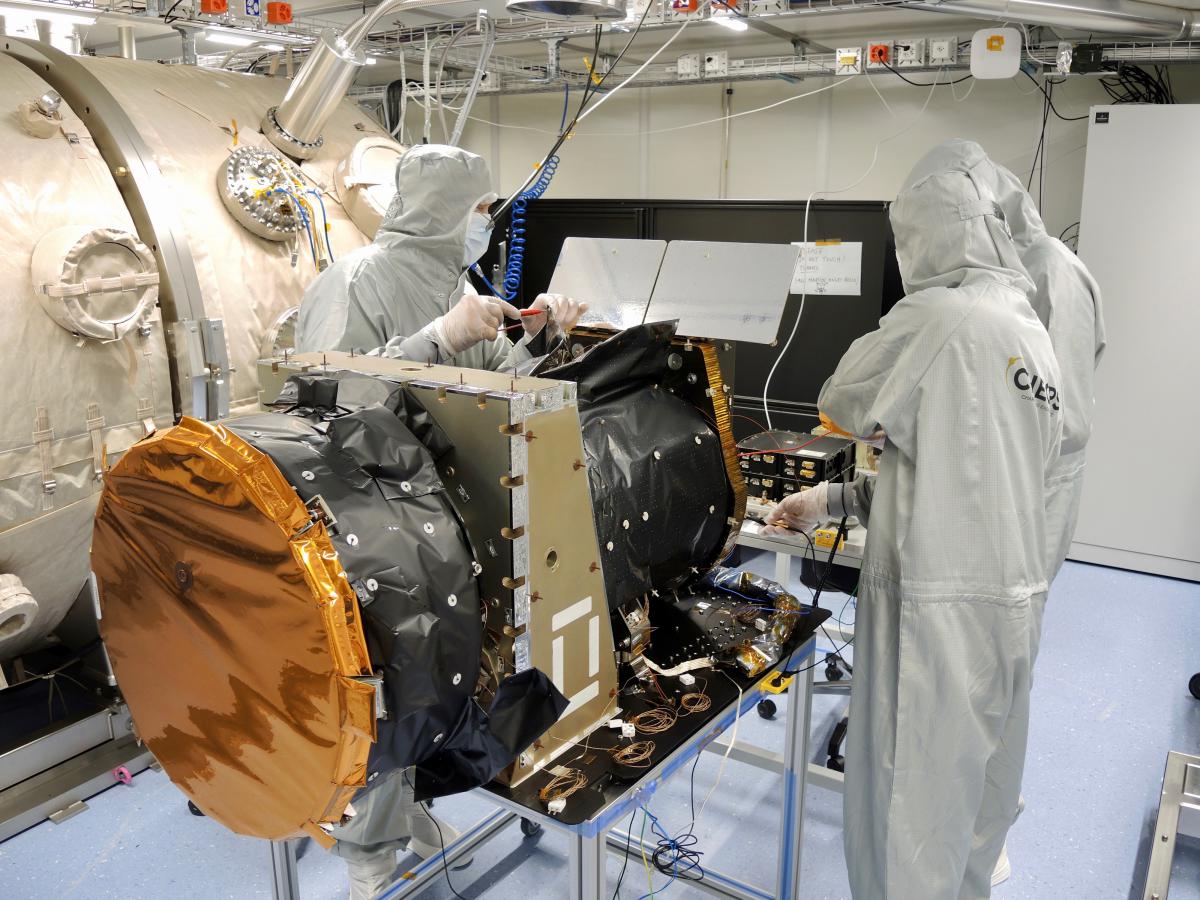
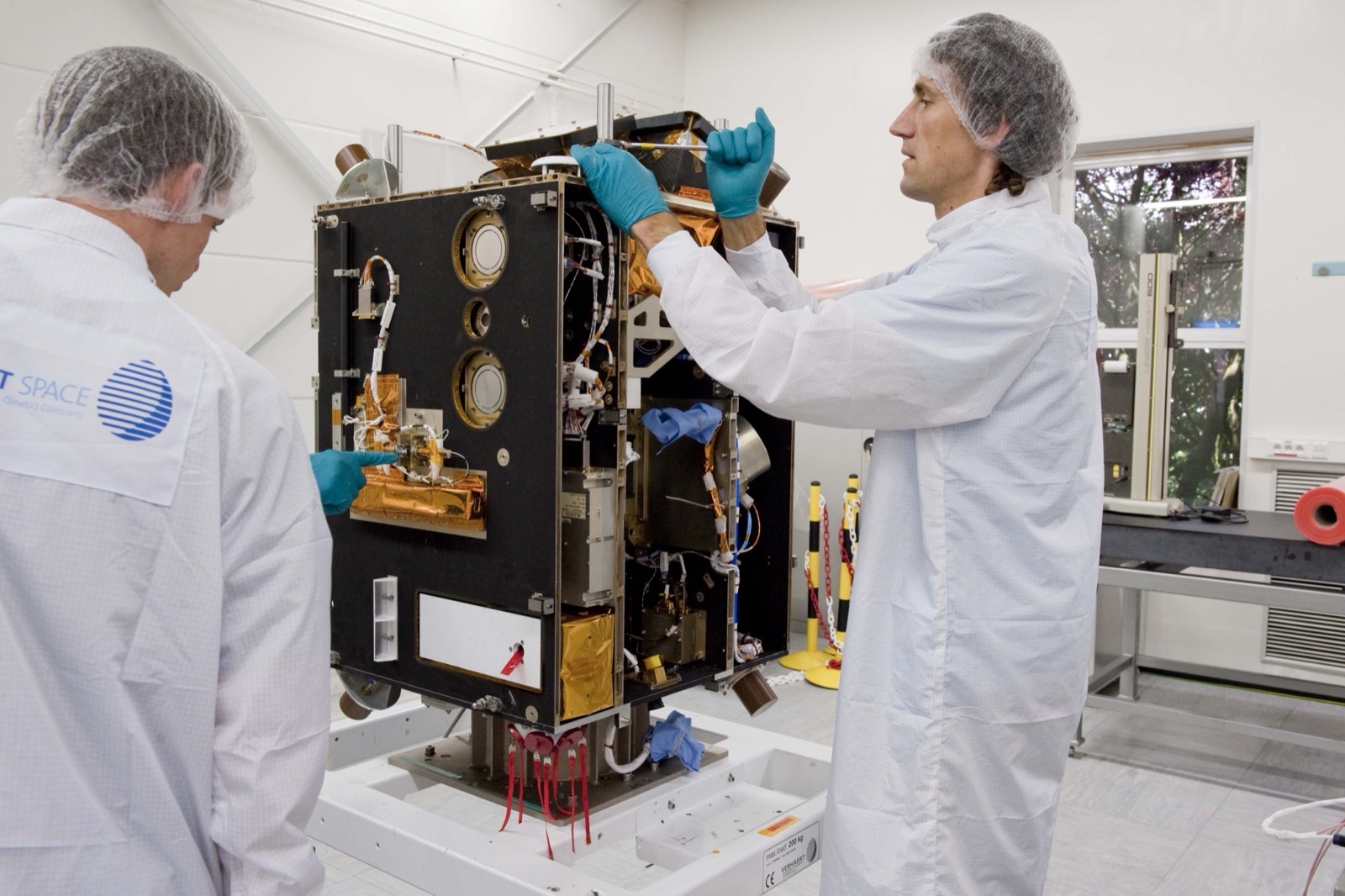
Two technicians in clean-room suits working on the open Proba-2 satellite on a white stand
ESA

Proba-2

ESA's Proba-2 is a small satellite that tests new space technology while it watches the Sun.

Missions
Product IDesa-proba-2
Size
0.6 x 0.6 x 0.8 m
Mass
130 kg nominal
Orbit
Sun-synchronous, almost circular
Launch
Rockot from Plesetsk, Russia
Power generation
up to 110 W at end of nominal mission
Planned life
two years nominal

In short

The European Space Agency (ESA) built Proba-2, a small satellite, to test new space technology and to observe the Sun. Its orbit avoids eclipses, the periods when Earth blocks the Sun, for more than nine months of each year.

The body is a box, 0.6 by 0.6 by 0.8 m, built around honeycomb panels, which are light sandwiches with a cellular core. Temperature control is passive wherever possible. Some outer surfaces are painted black to radiate heat to cold space, others white to absorb less sunlight.

Application

An ESA small-satellite mission that tests new space technology while observing the Sun from a Sun-synchronous orbit. It is a flown example of how a small, mostly passively cooled spacecraft is built.

How it is built

Honeycomb panels

Three honeycomb panels are arranged in an H, and a bottom panel connects the satellite to its launch vehicle. The outer panels are honeycomb too. The three panels that carry solar cells, two of them folding out, have an aluminium honeycomb core under carbon-fibre skins.

  • H-configuration inner panels (3)
  • Bottom panel (launch vehicle interface)
  • Outer panels without cells
  • Two deployable panels and one fixed outer panel

Power

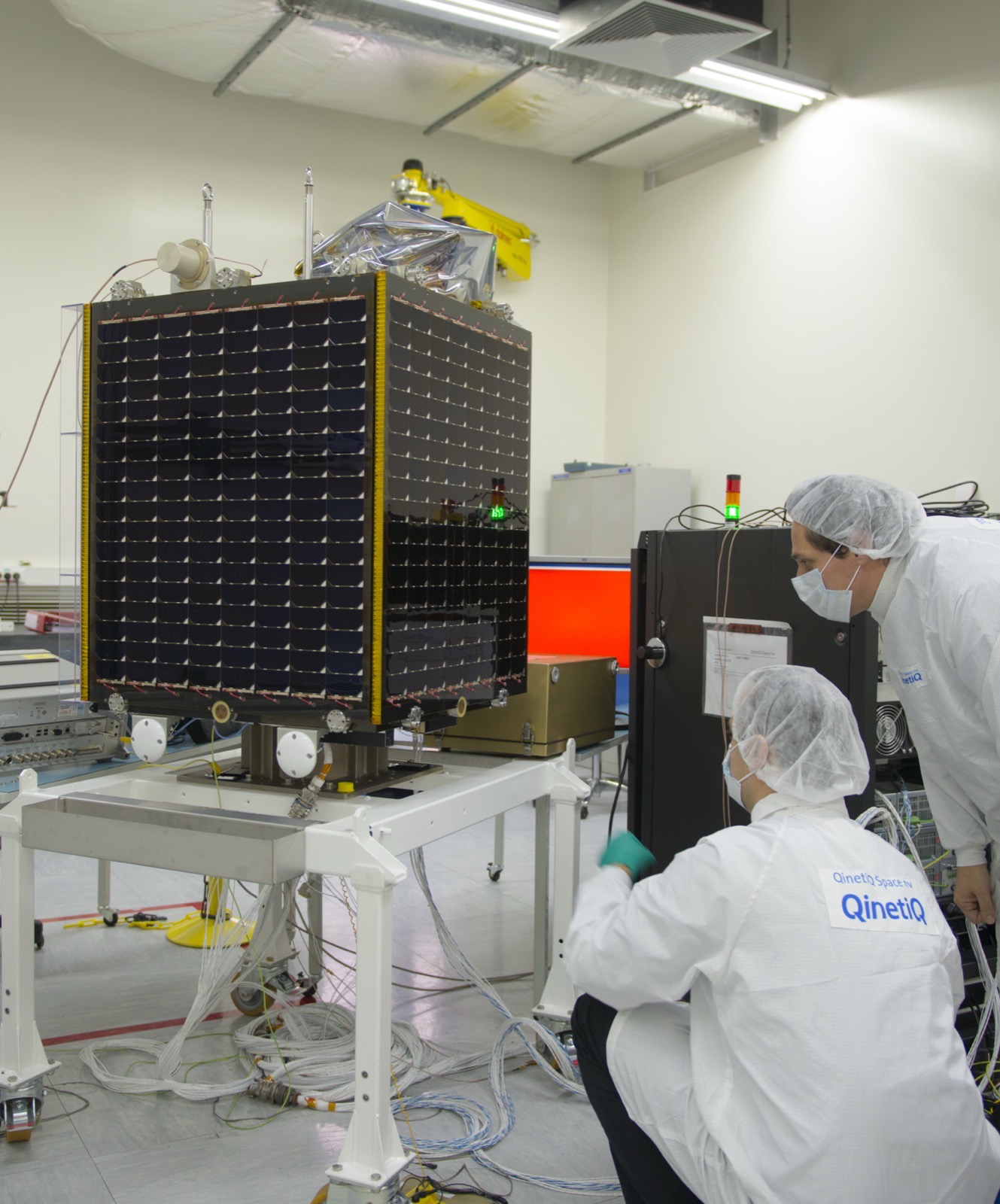
Gallium arsenide solar cells sit on those three panels. At the end of the planned two-year mission they supply at most 110 W, while the spacecraft uses between 70 and 110 W. A 16.5 Ah lithium-ion battery takes over during eclipses.

  • Solar cells
  • Battery

Instruments and thruster

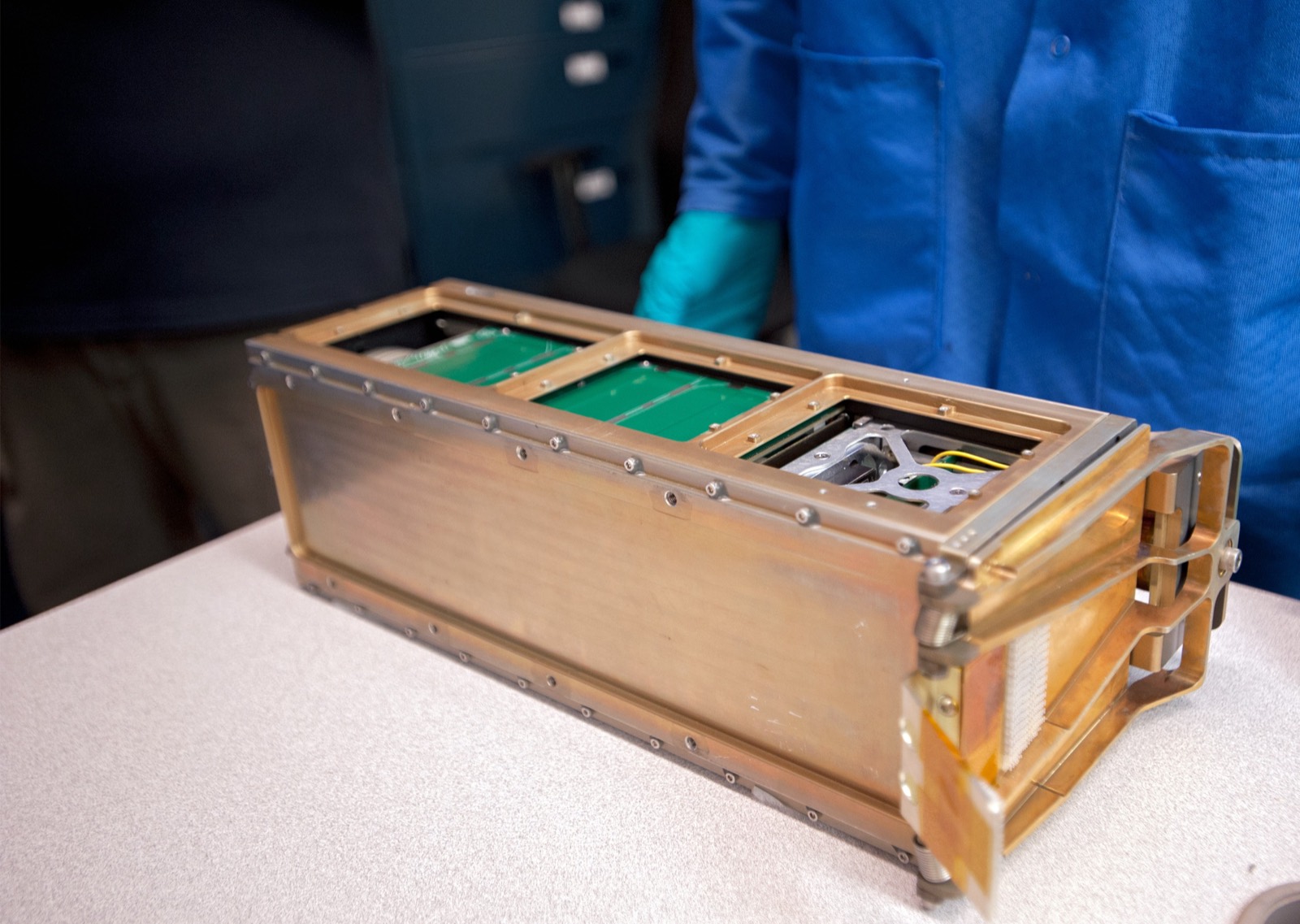
The LYRA instrument comes in a machined box of aluminium alloy 6082 T6, 315 mm by 92.5 mm by 220 mm, and weighs 4.9 kg in all. SWAP, the other named instrument, cools its detector with a passive radiator. The thruster uses xenon gas as propellant.

  • LYRA instrument box
Where the parts areNumber of parts we have listed in each group
  • Primary structure5
  • Solar generator2
  • Instruments2
  • Power storage1

What it is made of

The materials by familyHow many of the parts that name a material use each one
  • Aluminium7
  • Semiconductors1
  • Other1

How it connects to other things

Proba-2 is one of ESA's Proba missions. It went into orbit on a Rockot rocket from Plesetsk, Russia, as a secondary passenger on the launch of SMOS. APCO supplied its structure.

Products that use the same materials

  • Proba-V

    ESA

    Aluminium honeycomb coreAluminiumCarbon fibrelithium-ion+1 more
    Where each one is used

    Aluminium honeycomb core. Here: H-configuration inner panels (3); Outer panels without cells and more. There: Structure (summary).

    Aluminium. Here: TPMU/DSLP housing. There: Telescope (structure and mirrors, 3 telescopes).

    Carbon fibre. Here: Platform structure supplier (eoPortal). There: Outer panels (3).

    lithium-ion. Here: Battery. There: Battery.

    Gallium arsenide. Here: Solar cells. There: Photovoltaic array.

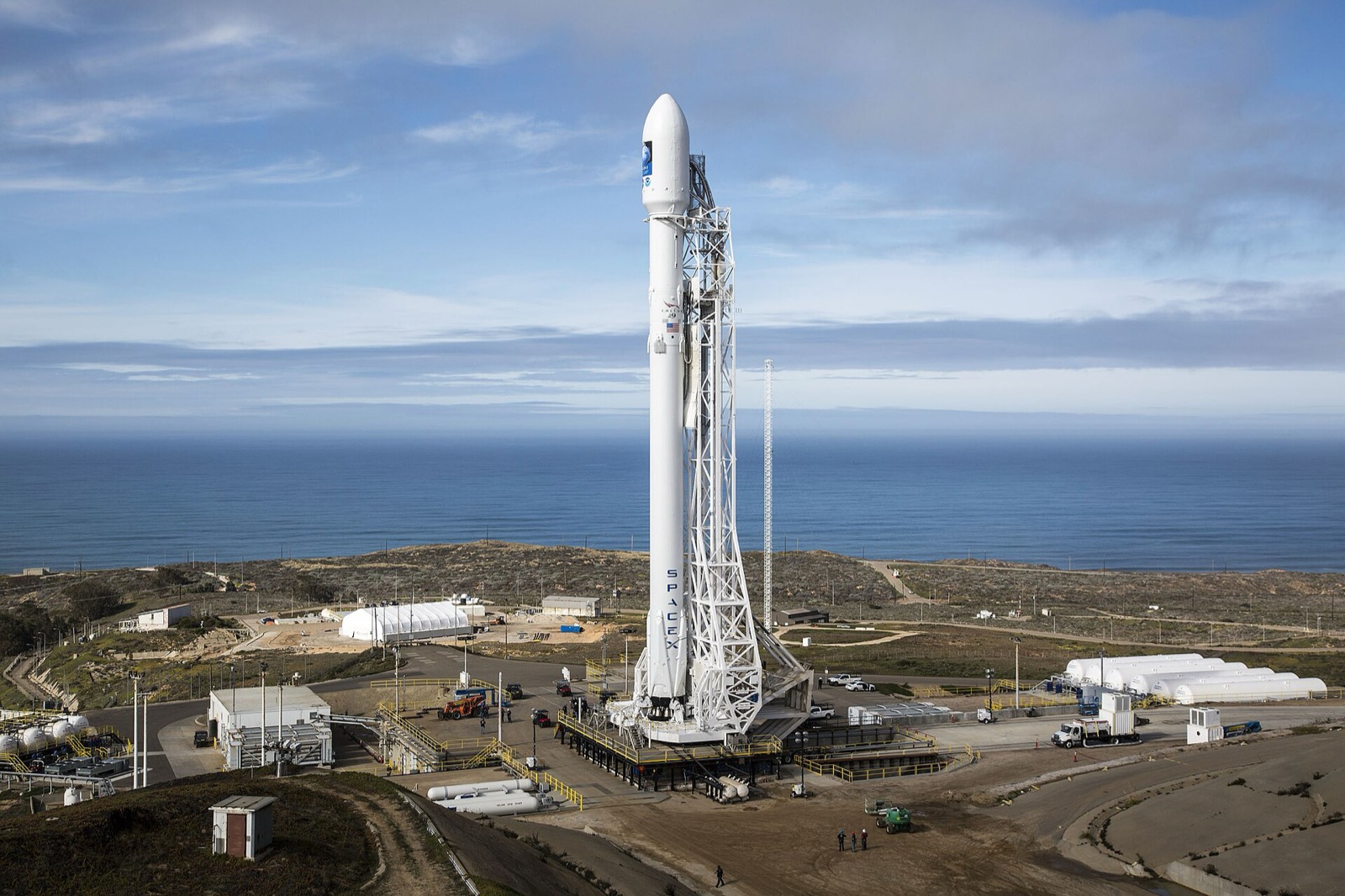
  • Falcon 9

    SpaceX

    Aluminium honeycomb coreAluminiumCarbon fibrelithium-ion
    Where each one is used

    Aluminium honeycomb core. Here: H-configuration inner panels (3); Outer panels without cells and more. There: Interstage; Fairing shell (aluminium honeycomb with carbon fibre face sheets).

    Aluminium. Here: TPMU/DSLP housing. There: Tank domes (aluminium).

    Carbon fibre. Here: Platform structure supplier (eoPortal). There: Interstage face sheets; Landing legs.

    lithium-ion. Here: Battery. There: Lithium-ion batteries (redundant, on each stage).

  • Sparrow

    Blackwing Space

    Carbon fibrelithium-ionGallium arsenide
    Where each one is used

    Carbon fibre. Here: Platform structure supplier (eoPortal). There: Structure option: carbon composite shell finish.

    lithium-ion. Here: Battery. There: Puffin battery pack (Puffin Pack); Draft power module cells (Li-ion or LiFePO4).

    Gallium arsenide. Here: Solar cells. There: Draft solar panel cells (triple-junction GaAs).

  • Kestrel

    Blackwing Space

    Carbon fibrelithium-ionGallium arsenide
    Where each one is used

    Carbon fibre. Here: Platform structure supplier (eoPortal). There: Structure option: carbon composite shell finish.

    lithium-ion. Here: Battery. There: Puffin battery pack (Puffin Pack); Draft power module cells (Li-ion or LiFePO4).

    Gallium arsenide. Here: Solar cells. There: Draft solar panel cells (triple-junction GaAs).

  • Osprey

    Blackwing Space

    Carbon fibrelithium-ionGallium arsenide
    Where each one is used

    Carbon fibre. Here: Platform structure supplier (eoPortal). There: Structure option: carbon composite shell finish.

    lithium-ion. Here: Battery. There: Puffin battery pack (Puffin Pack); Draft power module cells (Li-ion or LiFePO4).

    Gallium arsenide. Here: Solar cells. There: Draft solar panel cells (triple-junction GaAs).

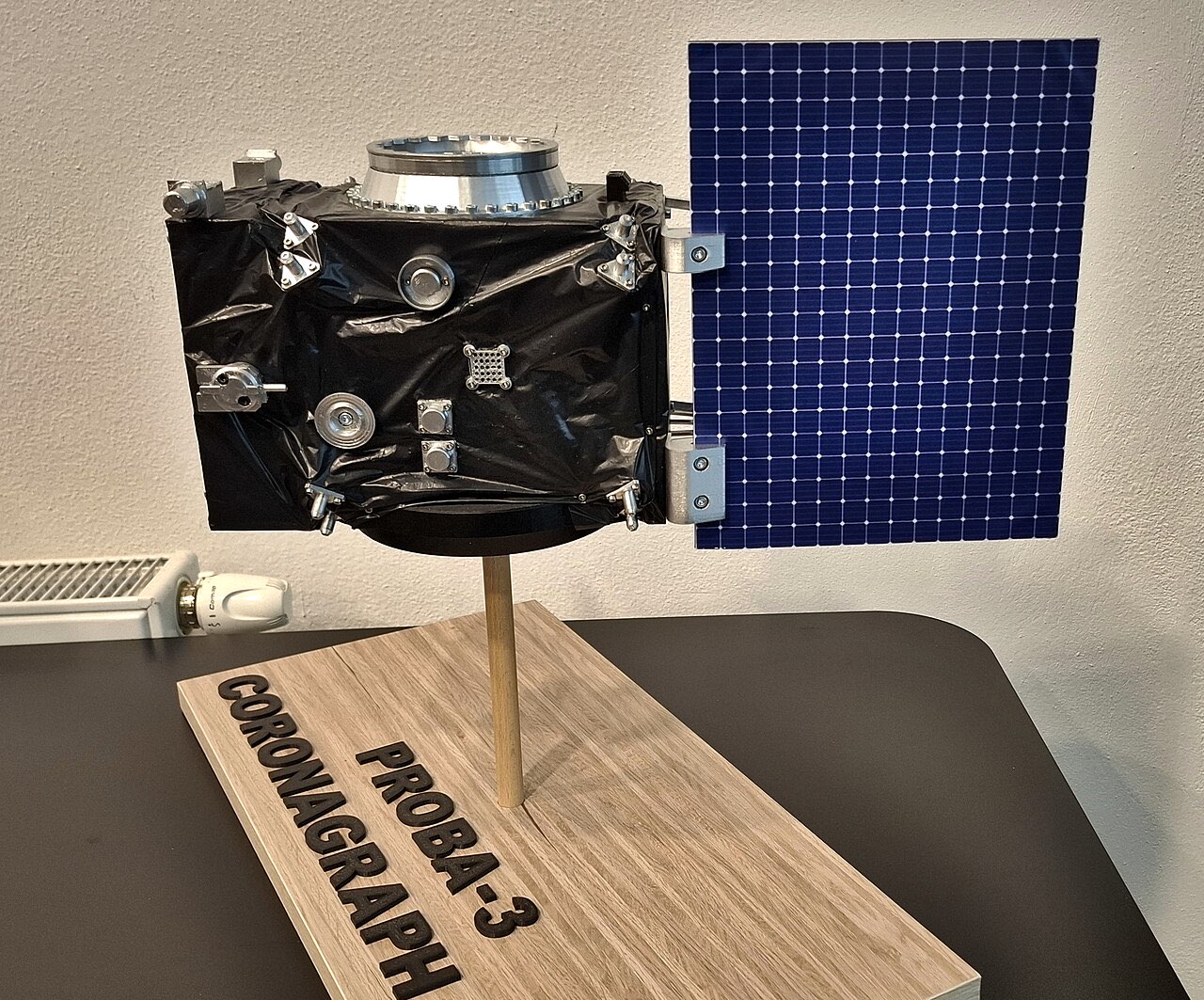
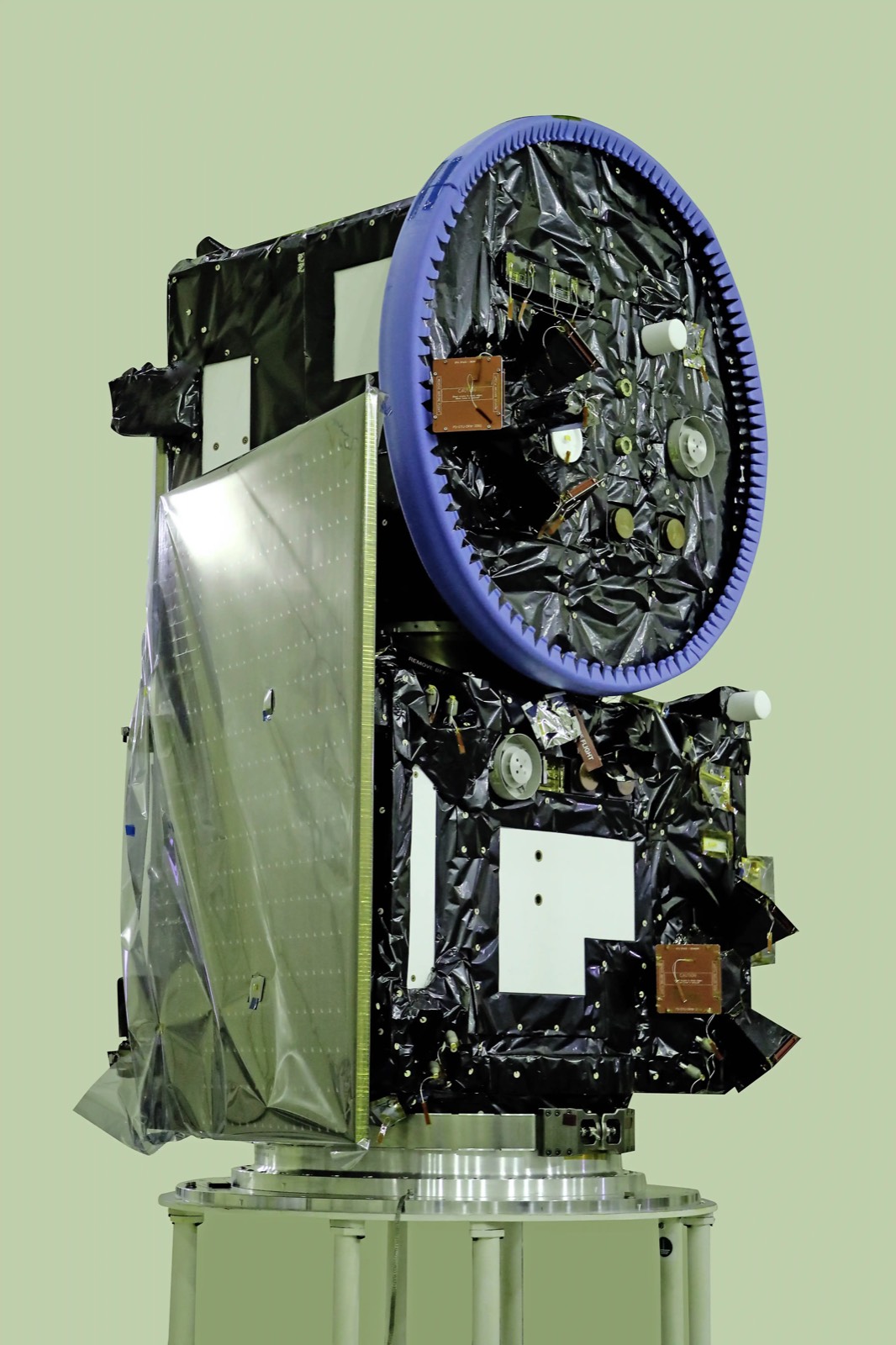
  • Proba-3 Coronagraph spacecraft

    ESA / Airbus

    AluminiumCarbon fibrelithium-ion
    Where each one is used

    Aluminium. Here: TPMU/DSLP housing. There: Main structure tube; Equipment box (EQB) and more.

    Carbon fibre. Here: Platform structure supplier (eoPortal). There: OBA sandwich panels.

    lithium-ion. Here: Battery. There: Batteries and solar cells.

What we do not know

Only two instruments, LYRA and SWAP, are named. ESA does not give the fasteners, adhesives, insulation films or paint products, or the materials of the thruster and its tank. It is not clear whether the inner panels have aluminium or carbon-fibre skins.

The detailed data

What is written above is built from these numbers and quotes. Each row links to the page it was taken from. Get all of it as JSON, or ask our MCP server.

Features

  • Thermal control mostly passive
  • SWAP uses a passive radiator

Specifications

WhatValue
Dimensions0.6 x 0.6 x 0.8 m
Mass130 kg nominal
OrbitSun-synchronous, almost circular
Eclipseeclipse-free more than nine months per year
Launch vehicle/siteRockot from Plesetsk, Russia
Power generationup to 110 W at end of nominal mission
Power consumption70-110 W
Battery16.5 Ah lithium-ion
Lifetimetwo years nominal
Instruments namedLYRA and SWAP
Propellantxenon

Materials in detail

Each material named in the sources: where it is used here, which other products use it, and its key numbers when its material page exists.

Every part we have

ESA names the H-structure panels, outer panels, solar panels and the LYRA box with materials, but gives no fasteners, adhesives, coatings or panel part numbers.

Primary structure5
PartMaterialFinish and standardMade by
H-configuration inner panels (3)“three aluminium honeycomb panels arranged in an H configuration” aluminium honeycombaluminium-honeycomb-hexweb — —
Bottom panel (launch vehicle interface)“a bottom panel that acts as the interface to the launch vehicle” Not said — —
Outer panels without cells“The outer panels that do not carry solar cells are also fabricated from aluminium honeycomb” aluminium honeycombaluminium-honeycomb-hexweb painted black or white (paint type not named) —
Platform structure supplier (eoPortal)“Combined CFRP - aluminum structure from APCO” combined CFRP and aluminium (as stated)carbon-fibre — APCO
Platform structure (eoPortal description)“It uses an aluminum structure and CFRP (Carbon Fiber Reinforced Plastic) honeycomb panels.” aluminum structure and CFRP (Carbon Fiber Reinforced Plastic) honeycomb panelsaluminium-honeycomb-hexweb — —
Solar generator2
Power storage1
PartMaterialFinish and standardMade by
Battery“A 16.5 Ah lithium-ion battery supplies power during eclipses” lithium-ionlithium-ion-cell — —
Instruments2
PartMaterialFinish and standardMade by
LYRA instrument box“The LYRA instrument is a box of size: 315.0 mm x 92.5 mm x 220.0 mm in Aluminum alloy 6082 T6.” Aluminum alloy 6082 T6aluminium-6082 — LYRA (4.9 kg total)
TPMU/DSLP housing“The TPMU is housed in an aluminum box together with the electronics of the DSPL experiment.” aluminumaluminium — TPMU + DSLP, Institute of Atmospheric Physics (CAS)

Standards named

  • Aluminum alloy 6082 T6 (designation) · LYRA box; no specification number cited

What the sources leave out

No fasteners, inserts, adhesives, MLI films, paint product names, SWAP instrument materials, or thruster/tank materials are published on the pages read. Which of the two sources is right on the inner-panel skins (aluminium vs CFRP) is not resolved. No standards are cited for materials.
Where this comes from

2 pages from 2 websites

More space products

Collected from public pages and documents, checked 4 Nov 2026.

Published · Updated