18 December 2019, Soyuz-Fregat, Europe's Spaceport
Planned life
3.5 years nominal science operations
Primary mirror
320 mm hyperbolic
Field of view
19x19 arcmin
Data volume
1.2 Gbit/day
In short
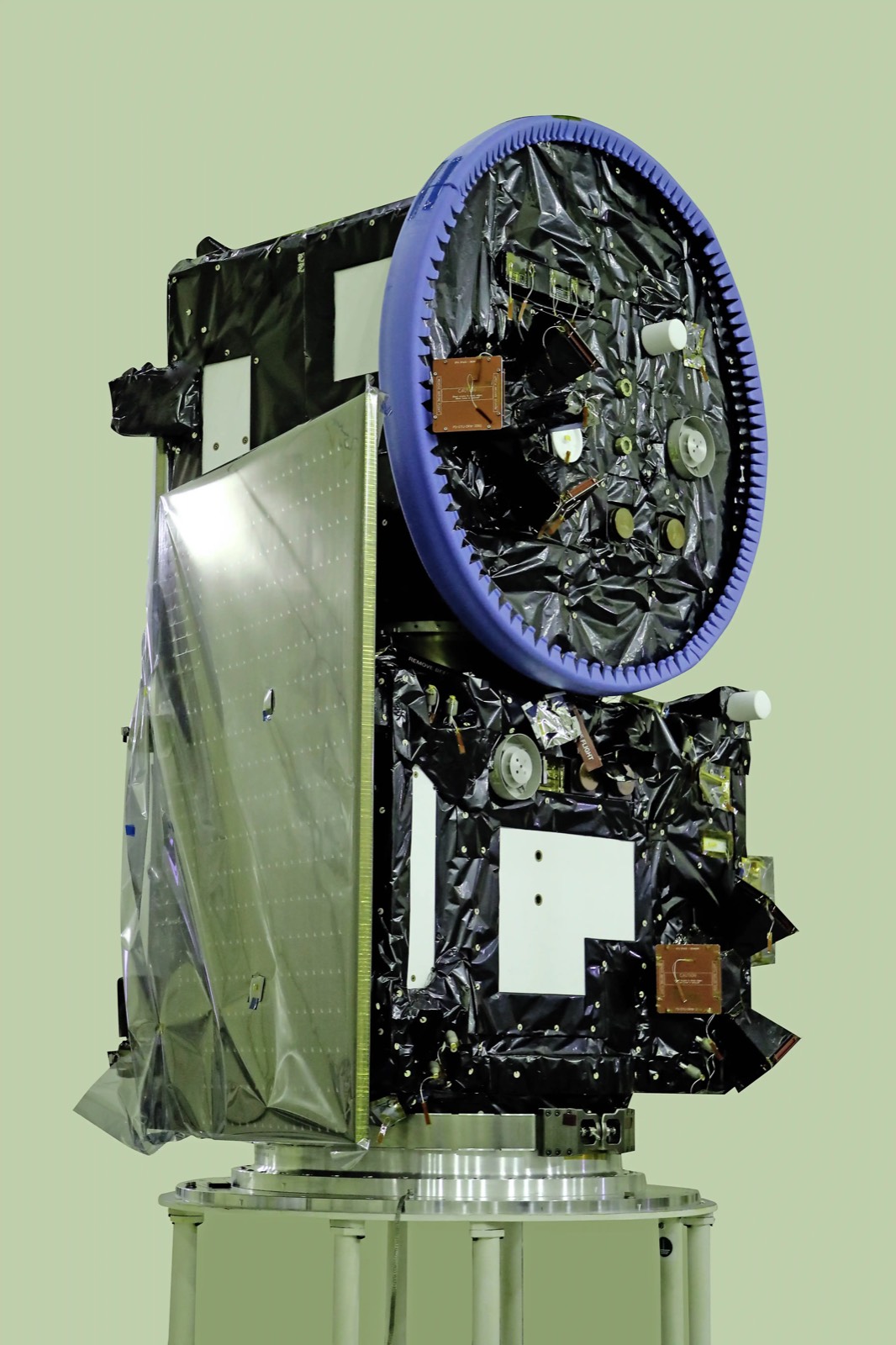
CHEOPS is a small science mission run by the European Space Agency (ESA). Its telescope is a photometer, an instrument that measures brightness. It watches for the dip in a star's light when a planet passes in front of it. Planets that circle other stars are called exoplanets.
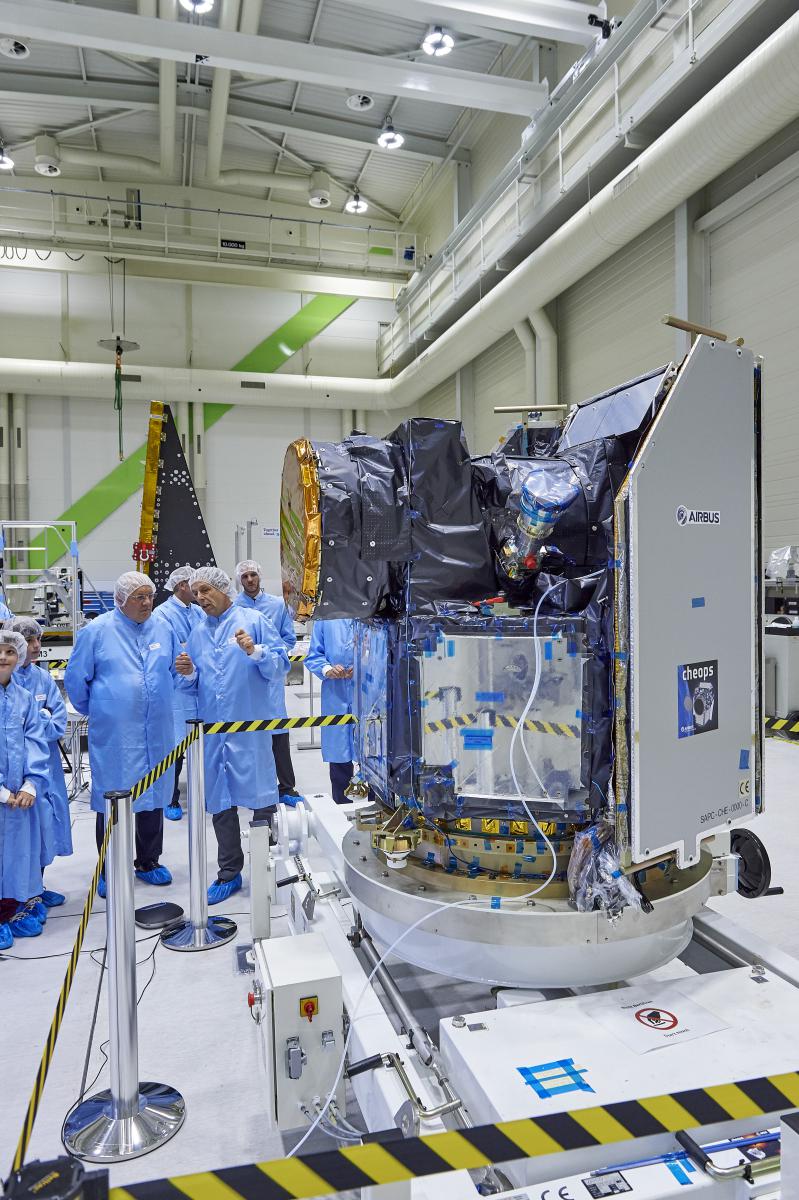
The telescope tube is carbon-fibre reinforced plastic, designed by the Swiss company Almatech down to the level of single layers, called laminae. The carbon fibre keeps the optics stable and light. A 95 cm baffle, a shield against stray light, protects them.
Application
ESA's exoplanet photometer, which measures how starlight dips when a planet passes in front of its star. The carbon-fibre telescope tube keeps the optics stable and light, which is why the mission shows how structural materials support precision science.
Photos
How it is built
The telescope tube
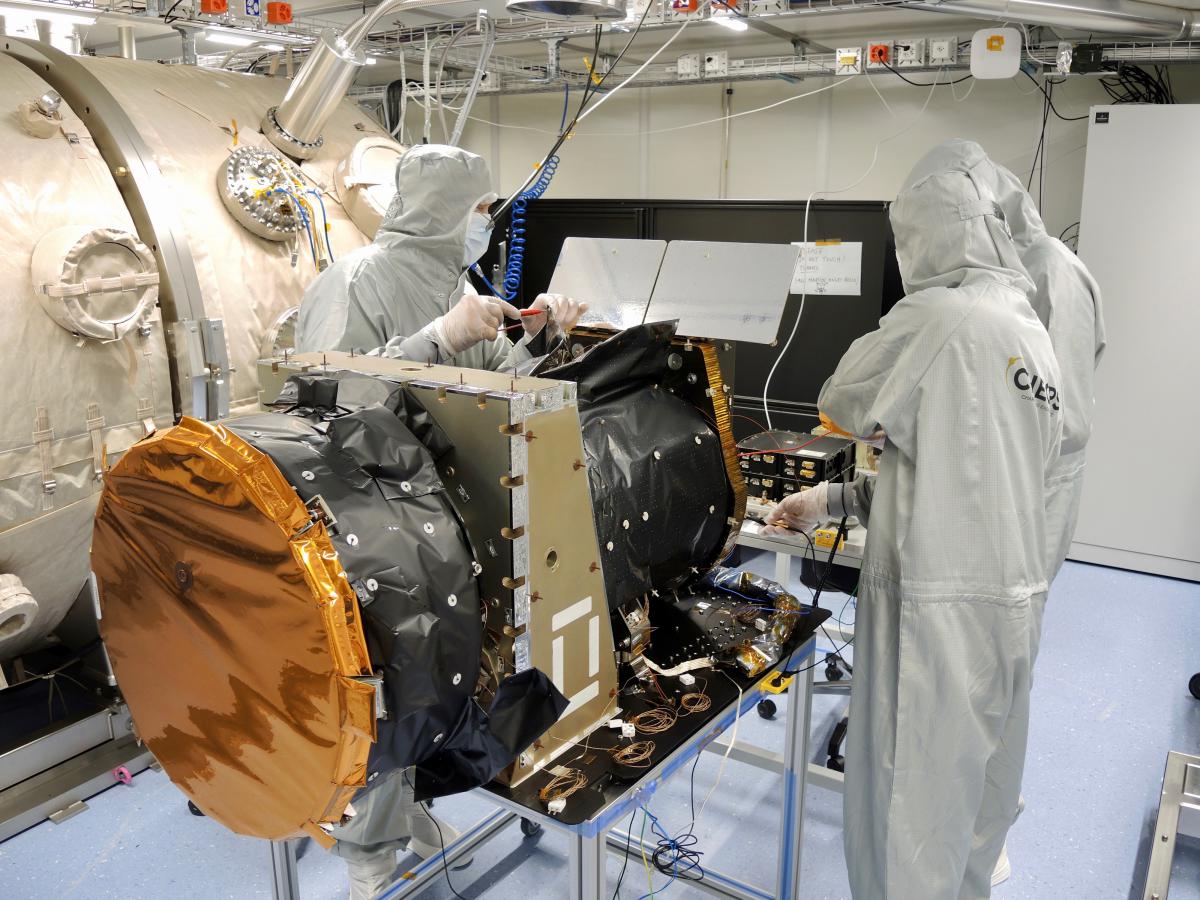
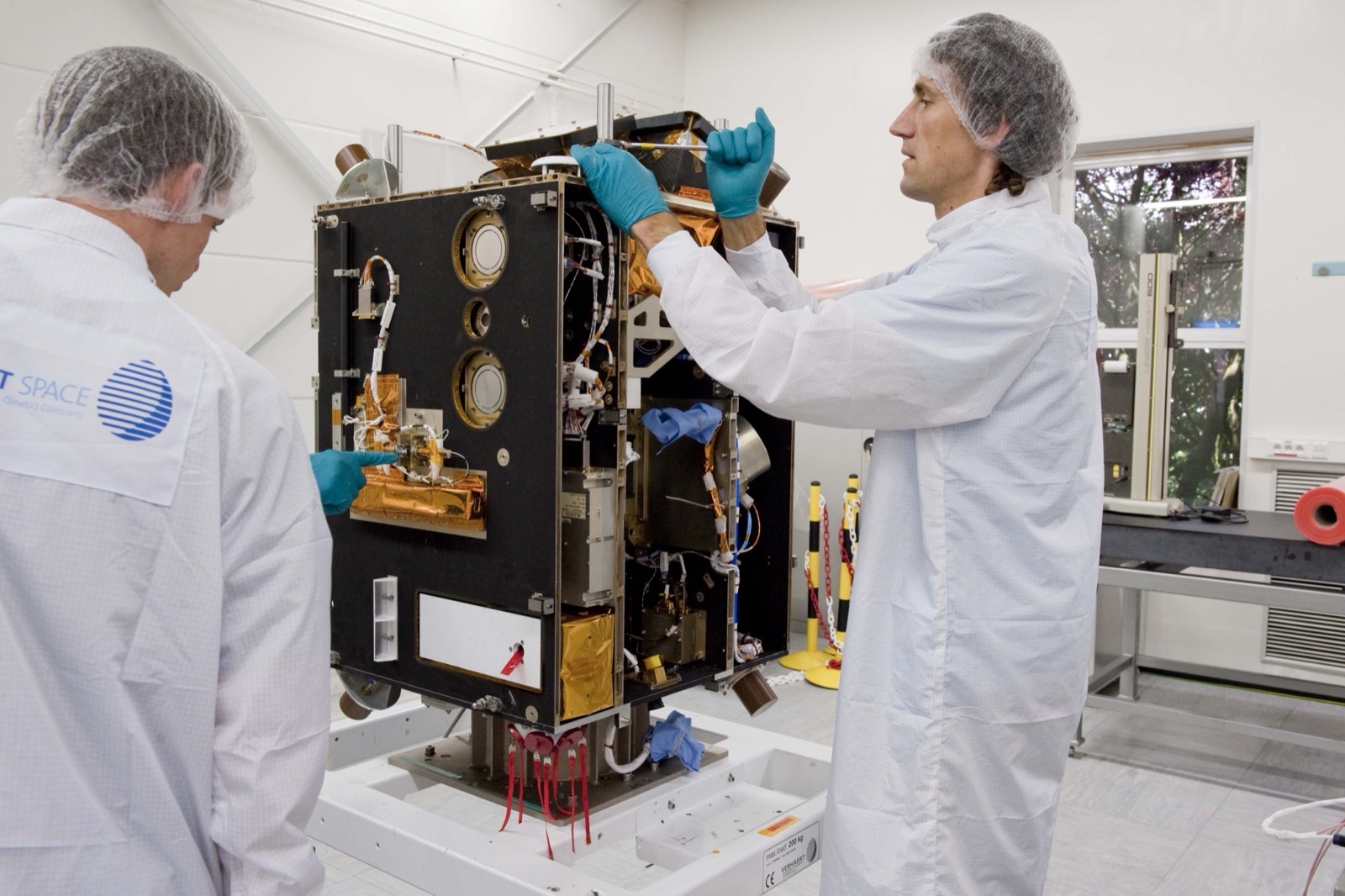
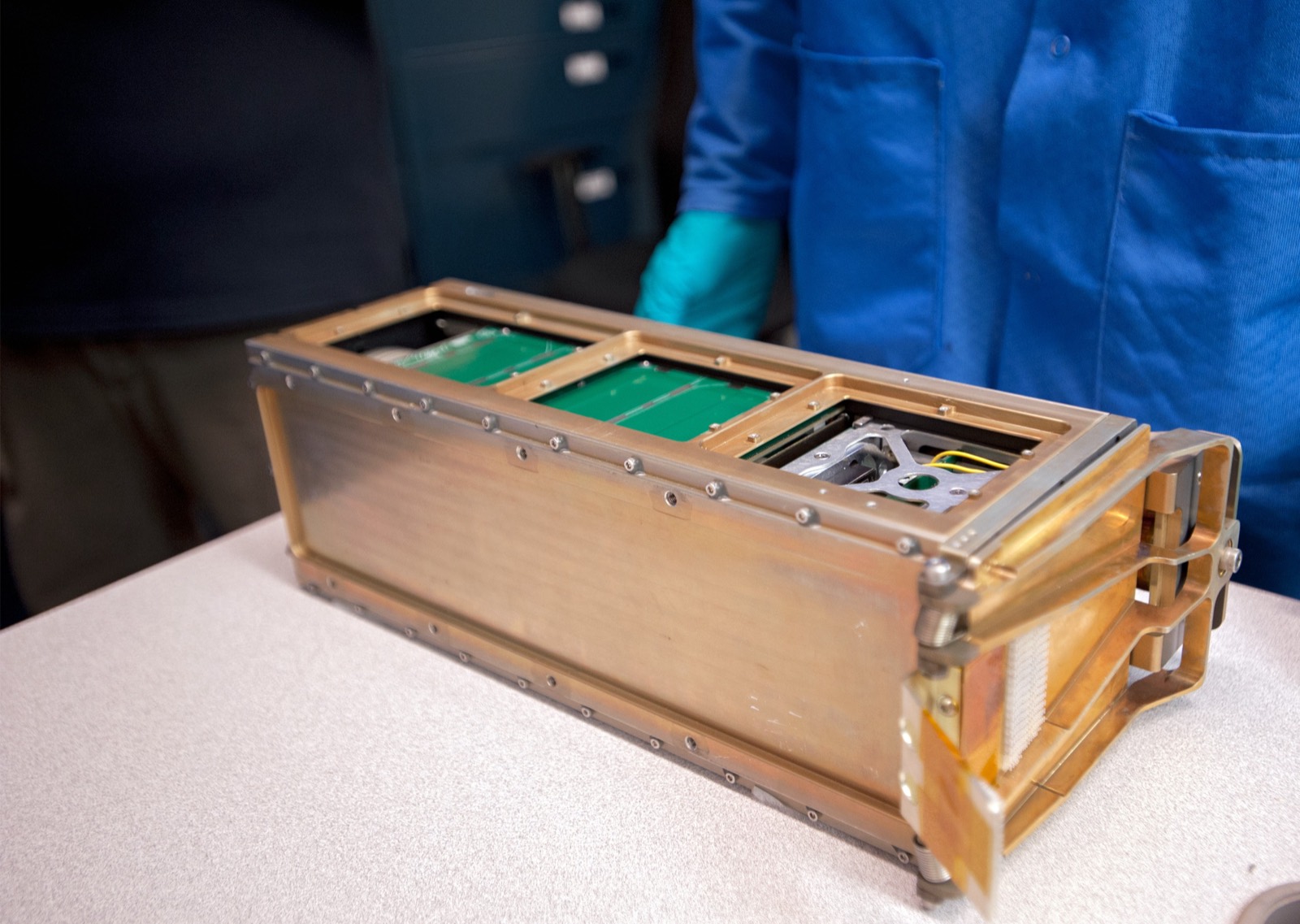
The tube assembly carries the baffle, a radiator, the focal plane module and the star trackers. The module sits where the image forms, and the trackers read the stars to work out where the telescope is pointing. Inside are two hyperbolic mirrors, a 320 mm primary and a 68 mm secondary.
Telescope tube assembly (TTA) structure
Baffle and cover release
The baffle keeps stray light from reaching the telescope, and so does a field stop in the back-end optics. A titanium bolt surrounded by a cylinder of shape memory alloy, a metal that changes shape when heated, releases the baffle's cover.
Telescope baffle (95 cm long)
Fastening bolt
Release cylinder
Body and heat control
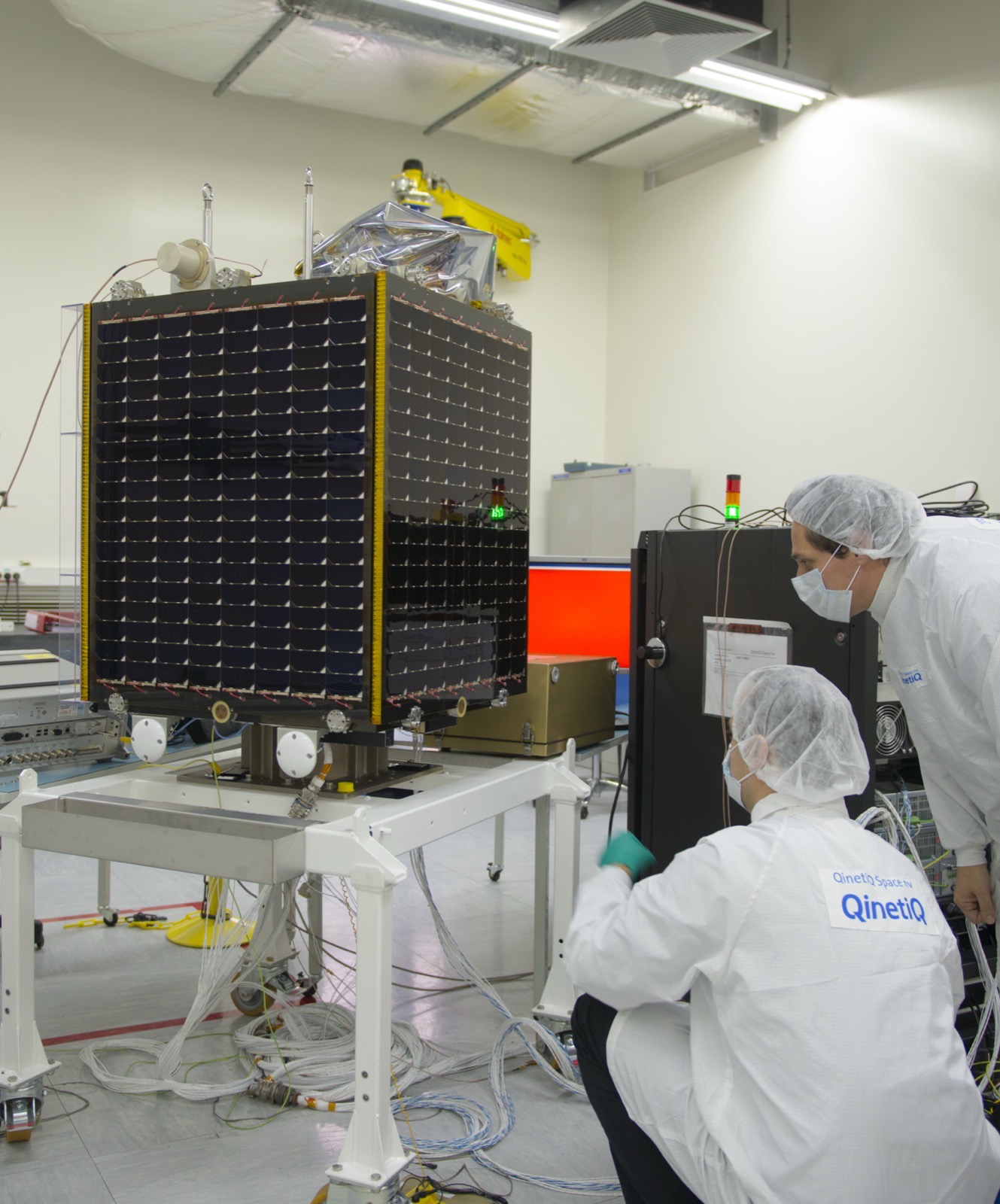
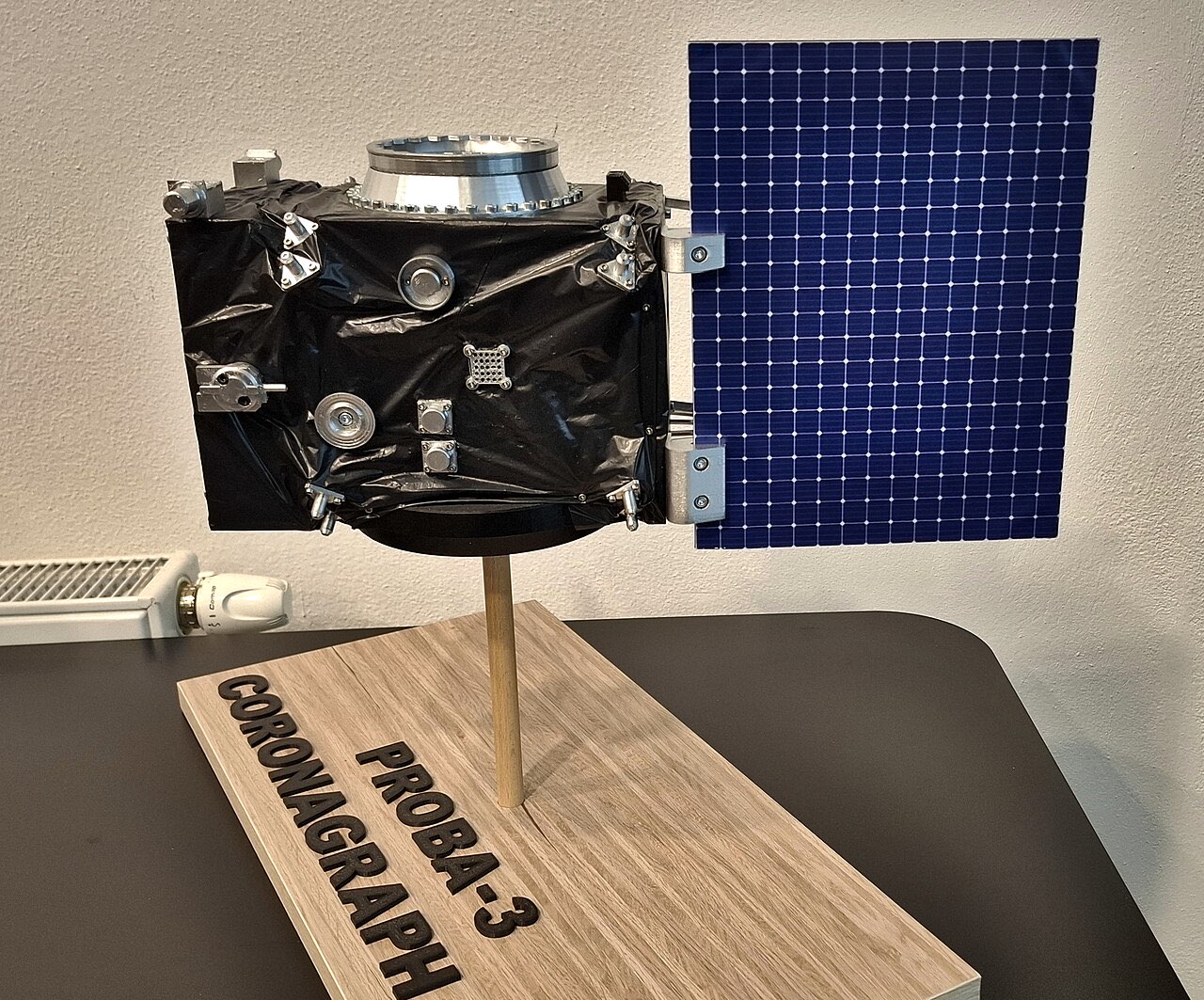
The spacecraft body, called the platform, has top, bottom and side panels built as sandwiches with metal skins. Layered insulation blankets cover the outside, and foil radiators shed heat from the electronics. Fillers improve thermal contact with the mounting panel, while washers reduce it.
Top, bottom and side panels
Multi-layer insulation
Radiator foils
Interface fillers
Thermal washers
Where the parts areNumber of parts we have listed in each group
The bolt that fastens the baffle cover, and two engraved commemorative plaques.
Shape memory alloy
The cylinder around the baffle cover bolt, part of its release.
The materials by familyHow many of the parts that name a material use each one
Other8
Carbon fibre2
Titanium2
How it connects to other things
A Soyuz-Fregat rocket launched CHEOPS from Europe's Spaceport on 18 December 2019. Almatech built the structure of the telescope tube. Arquimea, a maker of thermal blankets, names CHEOPS among the missions that have flown its blankets.
ESA does not say which carbon fibre and resin form the tube, or how its layers are stacked. It does not name the materials of the baffle, the radiator, the solar array, the insulation films or the black coatings, or the metal skins of the body panels. Nor does it give the spacecraft's power use.
The detailed data
What is written above is built from these numbers and quotes. Each row links to the page it was taken from. Get all of it as JSON, or ask our MCP server.
Features
Telescope tube assembly with star trackers, instrument radiator, baffle and focal plane module
Baffle and field stop reject stray light
Specifications
What
Value
Mass
280 kg
Size
1.5 m
Orbit
Sun-synchronous dusk-dawn, 700 km
Launch
18 December 2019, Soyuz-Fregat, Europe's Spaceport
Launch time
08:54:20 UTC
Lifetime
3.5 years nominal science operations
Primary mirror
320 mm hyperbolic
Secondary mirror
68 mm hyperbolic
Field of view
19x19 arcmin
Data volume
1.2 Gbit/day
Materials in detail
Each material named in the sources: where it is used here, which other products use it, and its key numbers when its material page exists.
Carbon fibre (PAN-based, pitch-based) and carbon/carbon
Only the telescope structure has a stated material; thermal-control items, the baffle-cover release mechanism and two plaques are named with little detail.
No CFRP fibre, resin or layup data, no baffle, radiator, sunshield or solar-array materials, no MLI film types, no coating names, and no standards are given on the pages read.