6 wheels, each with its own motor, 52.5 cm diameter
Power
About 110 W at launch from an MMRTG, plus two Li-ion batteries
Sample tubes
43 tubes
Landing
Jezero Crater, 18 February 2021
In short
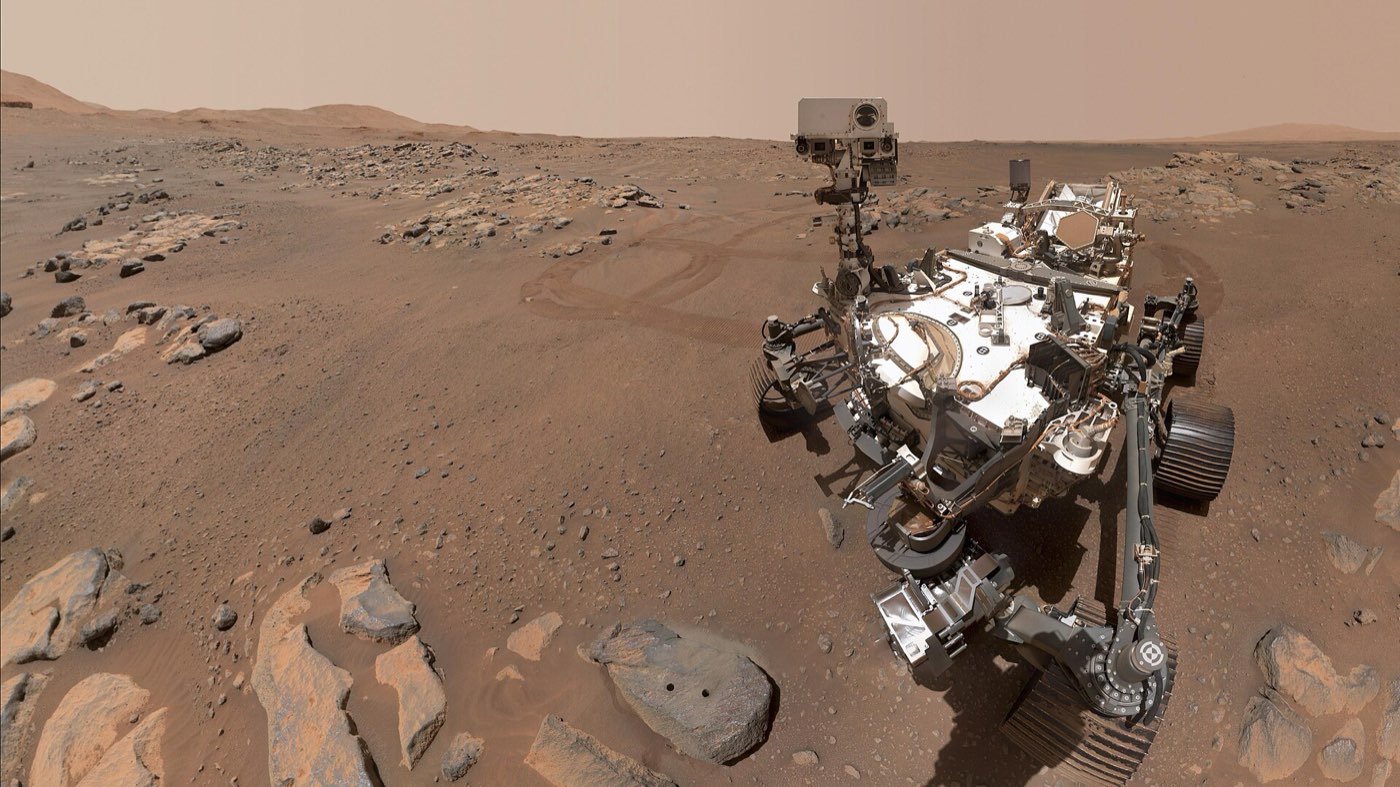
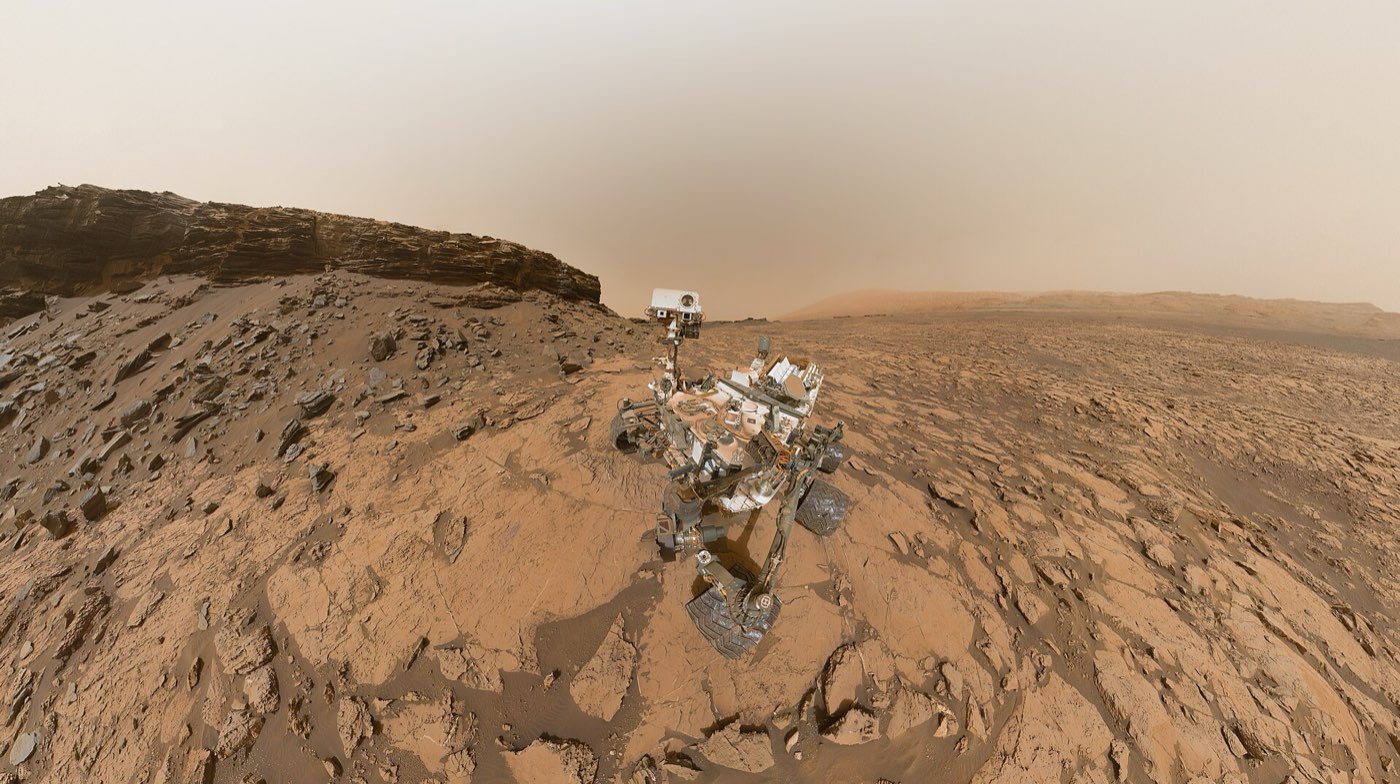
Perseverance is about the size of a car and was built by NASA with the Jet Propulsion Laboratory. It landed in Jezero Crater on 18 February 2021. It caches samples of rock and regolith, the loose surface material, in sealed tubes for a possible return to Earth.
Each wheel is machined from a block of aluminium and fitted with curved titanium spokes, and the sample tubes are made chiefly of titanium. A heat shield of PICA tiles, which wear away as they heat, protected the rover on entry. A plutonium-fuelled generator supplies its power.
Application
Perseverance explores Jezero Crater on Mars to look for signs of ancient life and to cache rock and regolith samples in sealed tubes for a possible return to Earth. It carries a suite of cameras, spectrometers and a drill on a robotic arm. The materials story is aluminium and titanium for mobility, ablative PICA for entry and a plutonium-fuelled thermoelectric generator for power.
Photos
How it is built
Wheels and legs
The six wheels each have their own motor and measure 52.5 cm across. The wheel body is machined out of a block of flight-grade aluminium, with curved titanium spokes for springy support. The legs are titanium tubing, formed by the process used for high-end mountain bike frames.
Wheel body (6)
Wheel spokes
Legs / suspension tubing
Sample tubes
The 43 sample tubes are made chiefly of titanium. Each weighs less than 57 grams and has a white coating on the outside. The rover's drill uses interchangeable bits, including coring bits, regolith bits and an abrader.
Sample tubes (43)
Heat shield
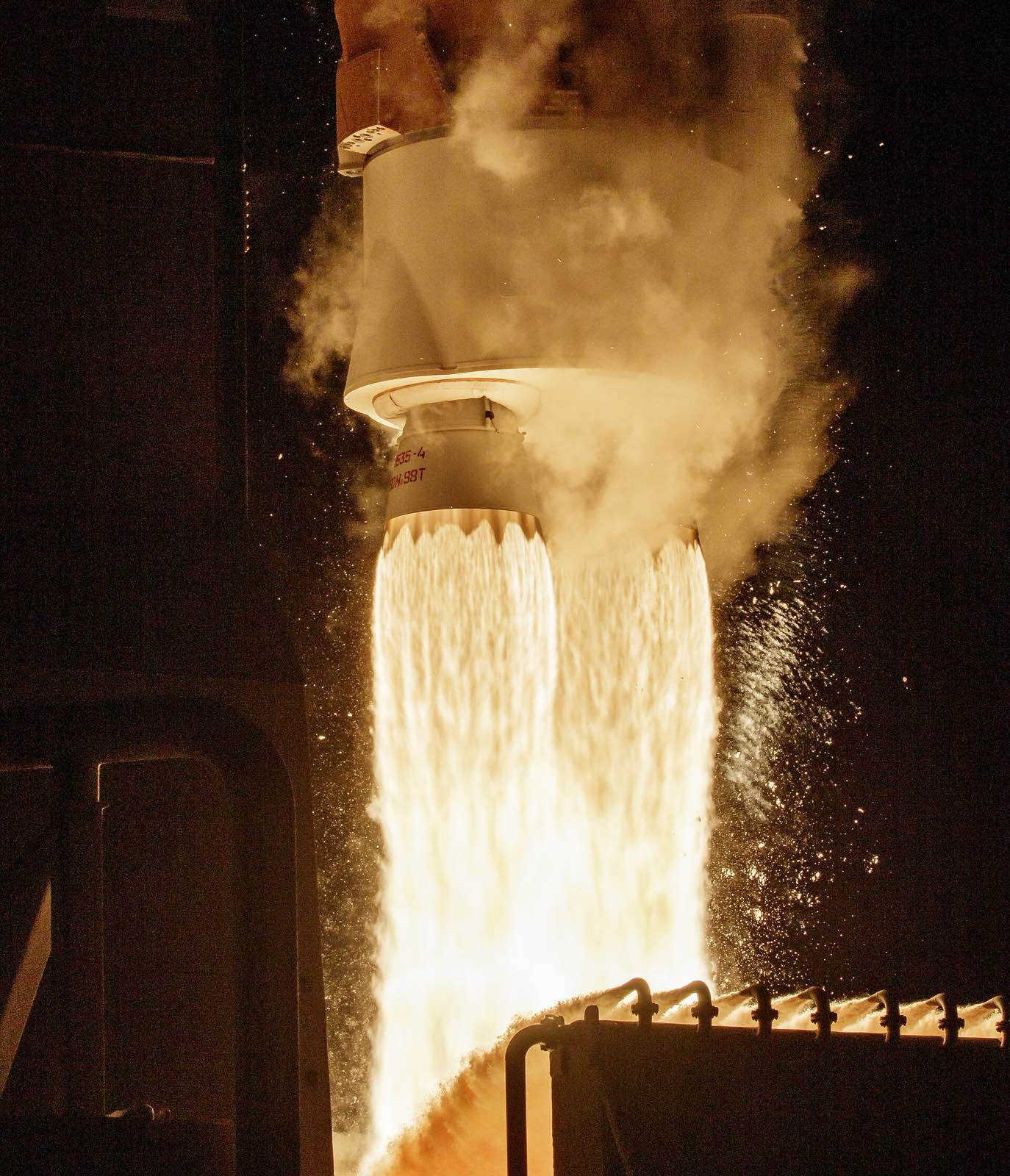
The heat shield is a sandwich of aluminium honeycomb with graphite fibre facesheets. It is covered in PICA tiles, which are carbon fibre impregnated with phenolic resin, and a silicone coating is sprayed over the surface.
Heat shield structure
Heat shield ablator tiles
Heat shield surface coating
Power source
The MMRTG is a plutonium-fuelled thermoelectric generator. It turns the heat of 4.8 kg of plutonium dioxide into electricity using 768 thermocouples of lead telluride and TAGS, and iridium cladding protects the fuel. It gave about 110 W at launch, and two lithium-ion batteries meet peak demands.
MMRTG heat source fuel
MMRTG thermoelectric couples (768)
GPHS fuel cladding
Rechargeable batteries (2)
Where the parts areNumber of parts we have listed in each group
The wheel spokes, the leg tubing and the 43 sample tubes, which are made chiefly of titanium.
PICA
The ablator tiles on the heat shield, made of carbon fibre impregnated with phenolic resin.
Plutonium dioxide
The ceramic fuel of the power generator, 4.8 kg in total.
Lead telluride and TAGS
The 768 thermocouples in the generator, which turn its heat into electricity.
Iridium
The metal cladding around the plutonium fuel.
The materials by familyHow many of the parts that name a material use each one
Other8
Aluminium3
Titanium3
Carbon fibre3
Polymers and foams3
Semiconductors1
How it connects to other things
NASA and its Jet Propulsion Laboratory built Perseverance. Its wheel skins are almost a millimetre thicker than those on the Curiosity rover. The thermal protection on its entry vehicle uses the same materials and thicknesses as the Mars Science Laboratory mission, with no major changes.
Titanium. Here: Wheel spokes; Legs / suspension tubing and more. There: Focal plane interconnecting structure; Instrument mounting feet / flexures and more.
Aluminium. Here: Wheel body (6). There: Telescope (structure and mirrors, 3 telescopes).
NASA does not state what the rover's body, mast, robotic arm, electronics and instrument housings are made of. The aluminium alloy of the wheels, the grade of the titanium and the white coating on the sample tubes are not named either.
The detailed data
What is written above is built from these numbers and quotes. Each row links to the page it was taken from. Get all of it as JSON, or ask our MCP server.
Features
Six-wheel rocker-bogie mobility
Interchangeable drill bits for coring and abrasion
Caches rock samples in tubes for possible return to Earth
Entry vehicle TPS re-used MSL materials and thicknesses
Specifications
What
Value
Mass
1,025 kg (2,260 lb)
Wheels
6 wheels, each with its own motor, 52.5 cm diameter
Wheel diameter
52.5 cm (20.7 in)
Power
About 110 W at launch from an MMRTG, plus two Li-ion batteries
Sample tubes
43 tubes
Landing
Jezero Crater, 18 February 2021
Entry heat shield
4.5 m diameter, 70-degree spherecone aeroshell (MSL heritage design)
Materials in detail
Each material named in the sources: where it is used here, which other products use it, and its key numbers when its material page exists.
Chassis, mast, robotic arm, instrument housings, electronics and the MOXIE experiment have no stated materials in the sources read. Parachute row quote also covers other fibres as stated by JPL; it gives no split by part.