The base
The base was a six-sided aluminium structure, with sides that alternate between 1.09 m and 0.56 m long. The footpads formed an equilateral triangle with sides of 2.21 m. After landing, the lander had a mass of about 600 kg.
- Base
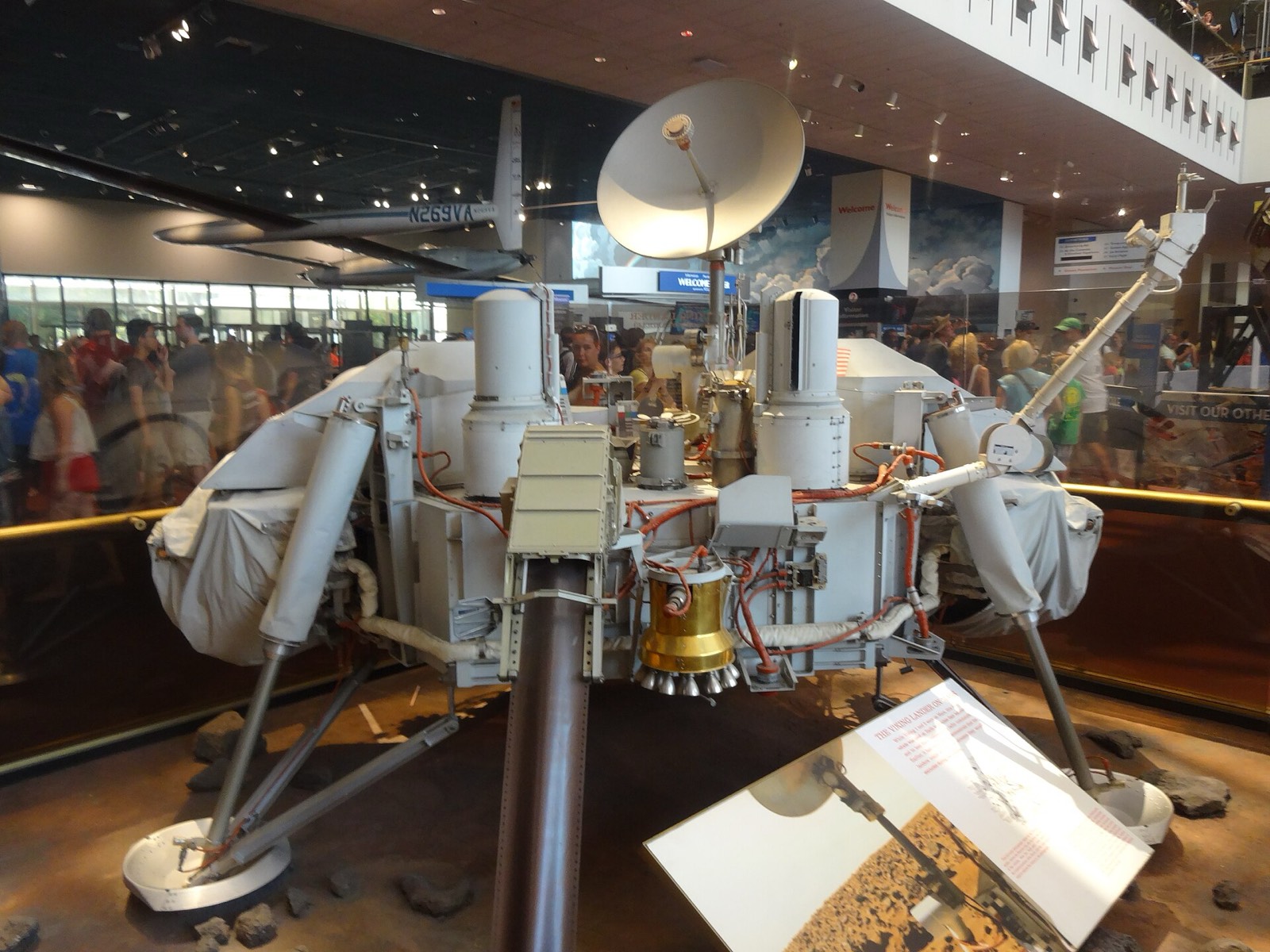
The Viking landers were the NASA craft that carried out the first successful science on the surface of Mars.
nasa-viking-lander The Viking landers came from NASA's 1975-76 Viking missions. Each rode to Mars inside an aeroshell with an ablative heat shield, a coating that wears away as it heats. It then descended on engines fed from titanium tanks and drew its power from two generators fuelled by plutonium-238.
A six-sided aluminium base formed the body of the lander, with two spherical titanium tanks on opposite sides. The 3.5 m aeroshell around it was aluminium too, coated with an ablator about 0.86 cm thick that slowed the craft during entry.
NASA's pair of Mars landers that carried the first successful surface science to Mars. Each rode inside an aeroshell with an ablative heat shield, then descended on engines fed from titanium tanks and was powered by plutonium RTGs.
The base was a six-sided aluminium structure, with sides that alternate between 1.09 m and 0.56 m long. The footpads formed an equilateral triangle with sides of 2.21 m. After landing, the lander had a mass of about 600 kg.
Two spherical titanium tanks were mounted on opposite sides of the lander. They fed the engines used for the descent to the surface.
The shell skin, its rings and the base ring structure were all aluminium. The base cover of the outer cone was aluminium alloy sheet 0.0254 cm thick, while the inner cone's was fibreglass 0.0406 cm thick.
The forebody carried SLA-561, a super-lightweight ablator developed by Martin Marietta. The coating on the aeroshell skin was about 0.86 cm thick. With this heat shield, the aeroshell slowed the craft for entry.
Two radioisotope thermal generators, which turn the heat of decaying plutonium-238 into electricity, gave 30 W each of continuous power. At launch the lander was encased in a bioshield to prevent contamination.
The six-sided base of the lander, and the aeroshell skin, rings and outer cone cover.
The two spherical propellant tanks.
Glass fabric laminated with phenolic resin, used for the inner cone base cover of the aeroshell, 0.0406 cm thick.
A super-lightweight ablator on the forebody heat shield.
The fuel in the two radioisotope generators, which gave 30 W each.
Viking sent two separate spacecraft to Mars. Viking 1 launched on 20 August 1975 and touched down on 20 July 1976 on Chryse Planitia. The lander carried two plutonium-238 radioisotope generators and descended on engines fed from its titanium tanks. Martin Marietta developed the SLA-561 ablator on its heat shield.
NASA / JPL
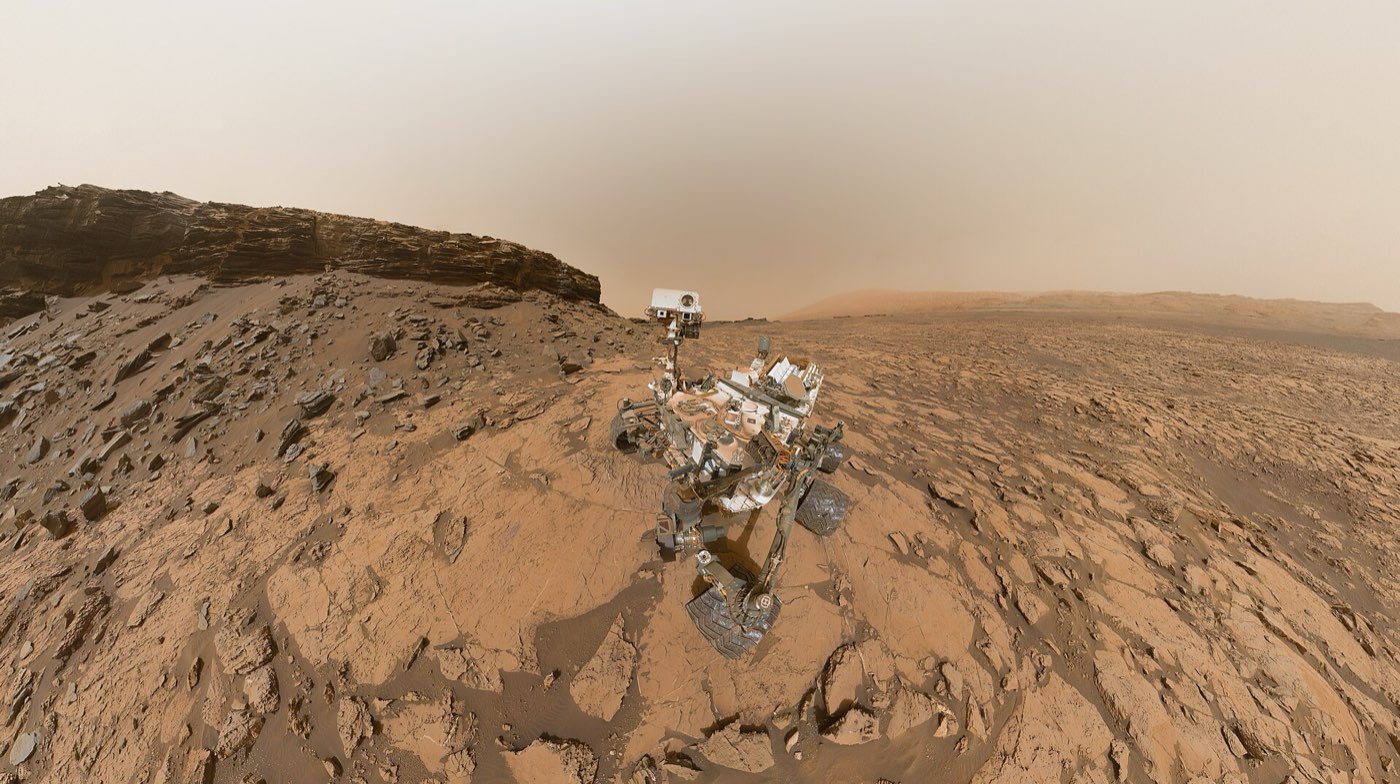
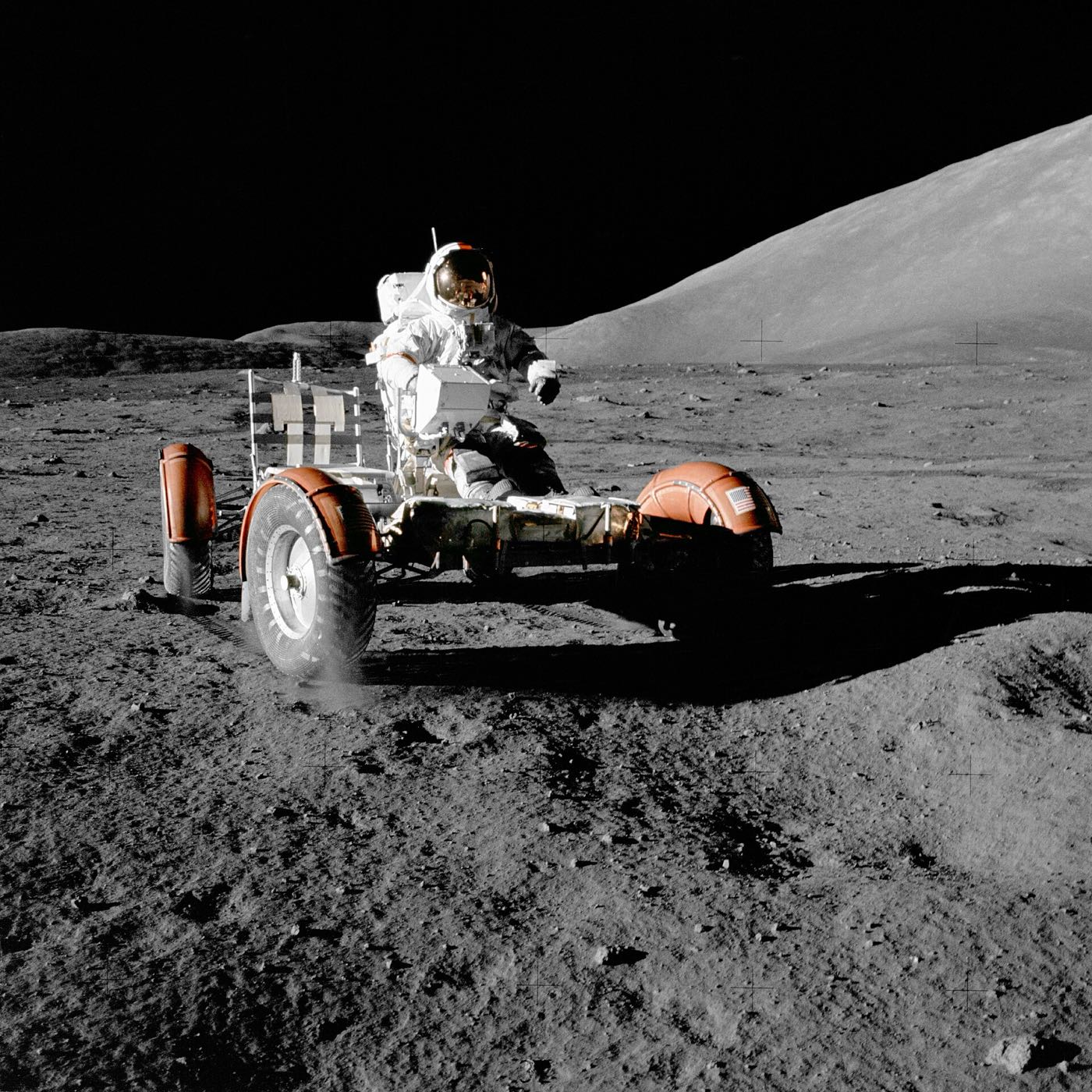
Aluminium. Here: Base; Shell skin, Z-rings and base ring structure and more. There: Wheel (6); Wheel shell thickness.
SLA-561 super-lightweight ablator. Here: Forebody heat shield. There: Backshell ablator.
Titanium. Here: Propellant tanks (2). There: Suspension tubes and arms to wheels.
NASA / JPL
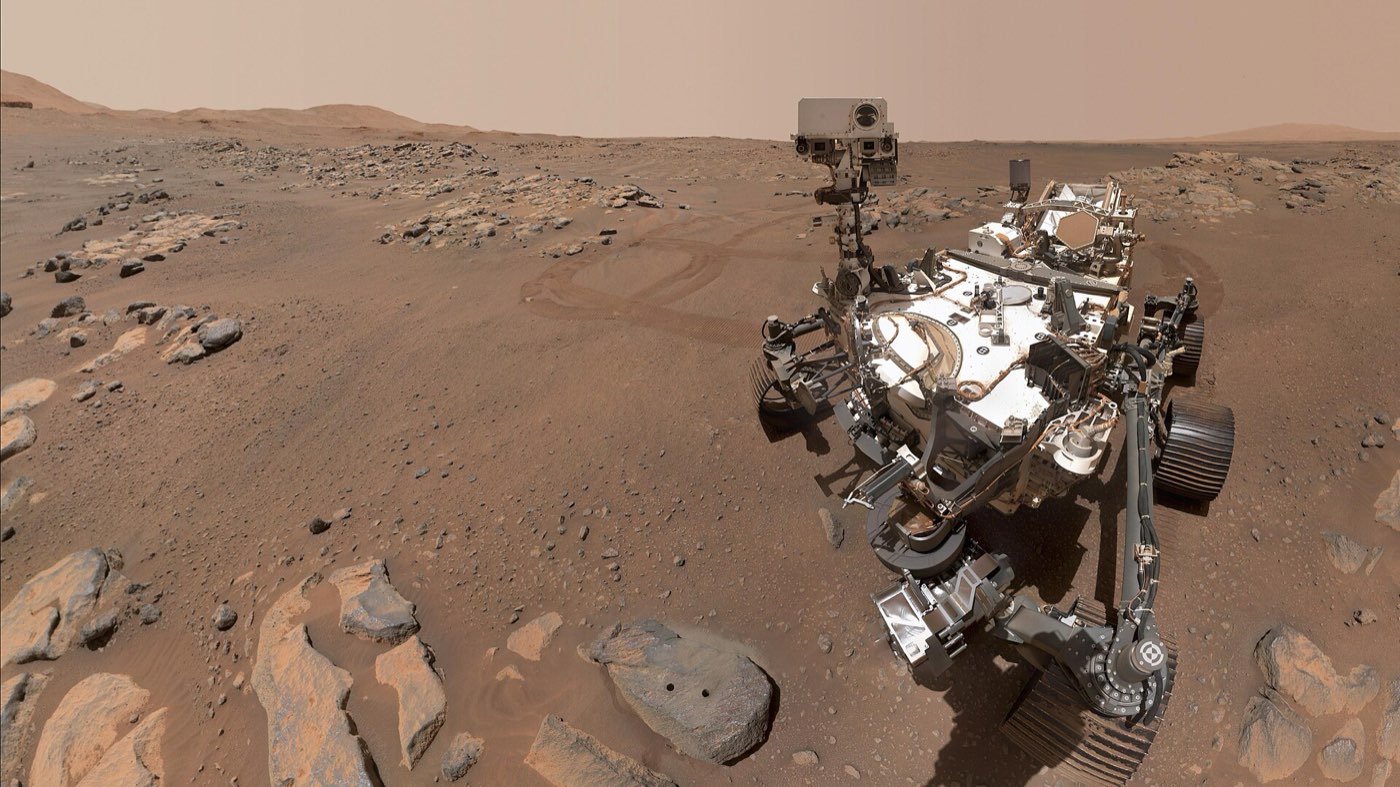
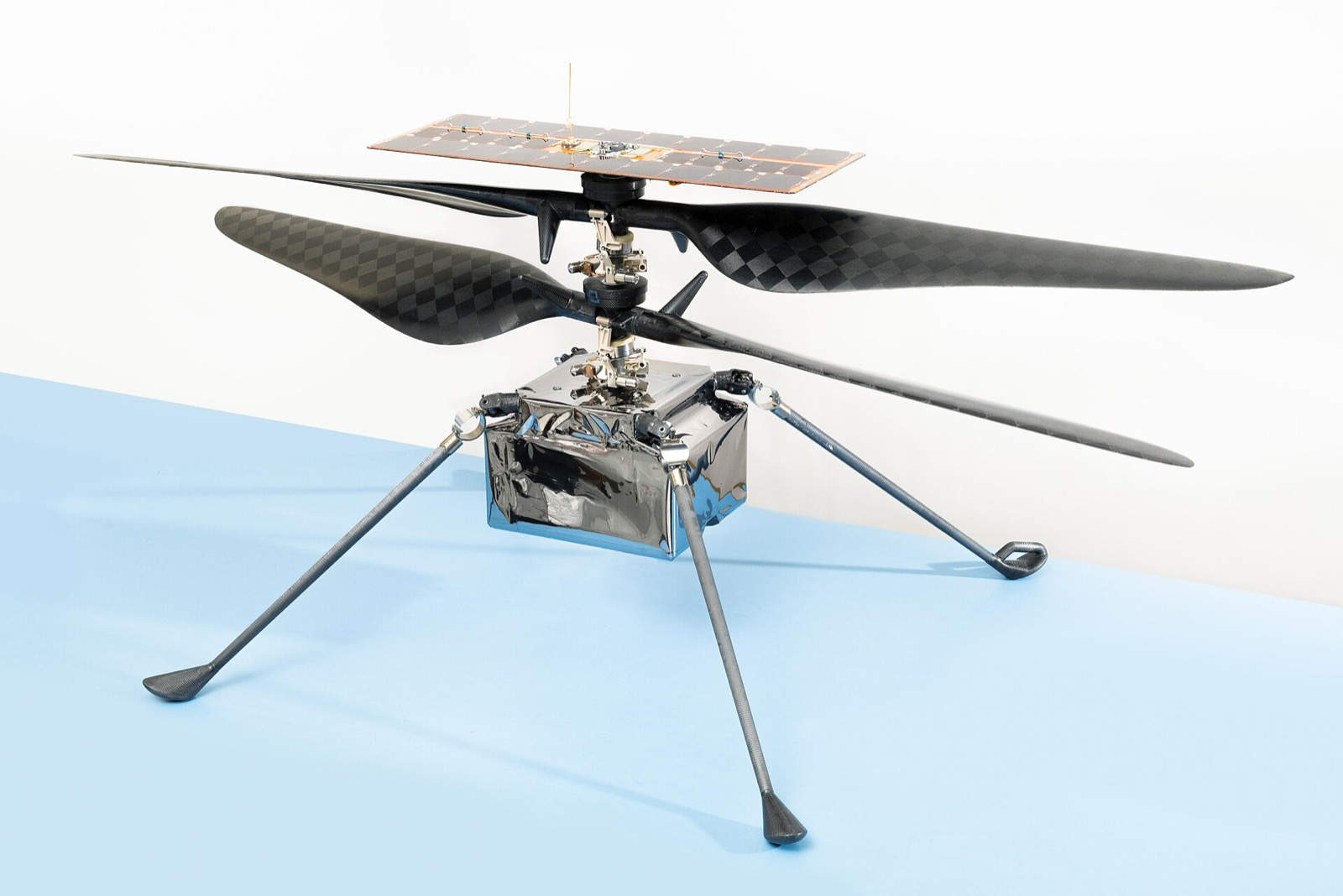
Aluminium. Here: Base; Shell skin, Z-rings and base ring structure and more. There: Wheel body (6).
SLA-561 super-lightweight ablator. Here: Forebody heat shield. There: Backshell ablator.
Titanium. Here: Propellant tanks (2). There: Wheel spokes; Legs / suspension tubing and more.
ESA
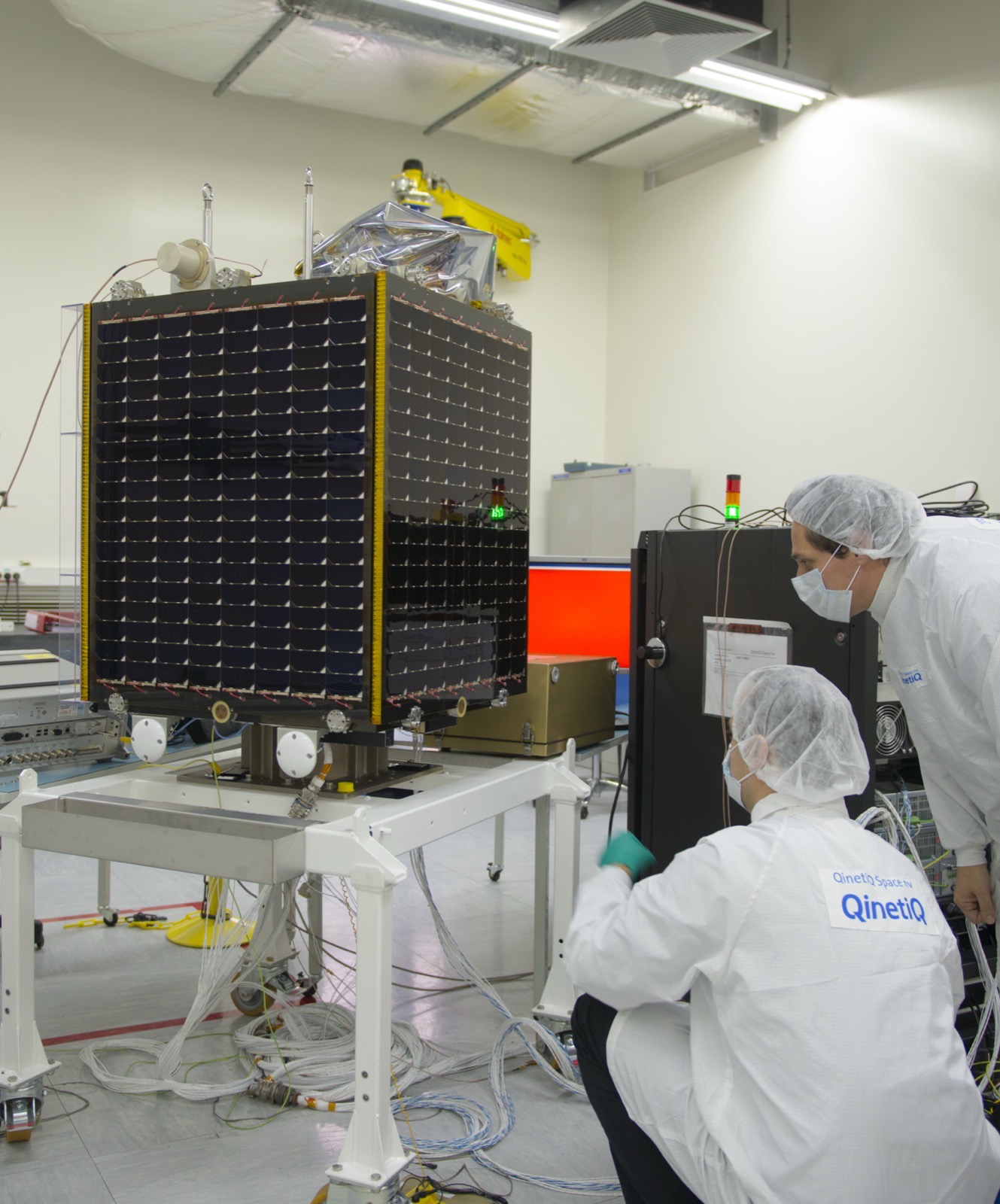
Aluminium. Here: Base; Shell skin, Z-rings and base ring structure and more. There: Telescope (structure and mirrors, 3 telescopes).
Titanium. Here: Propellant tanks (2). There: Focal plane interconnecting structure; Instrument mounting feet / flexures and more.
ESA / Airbus
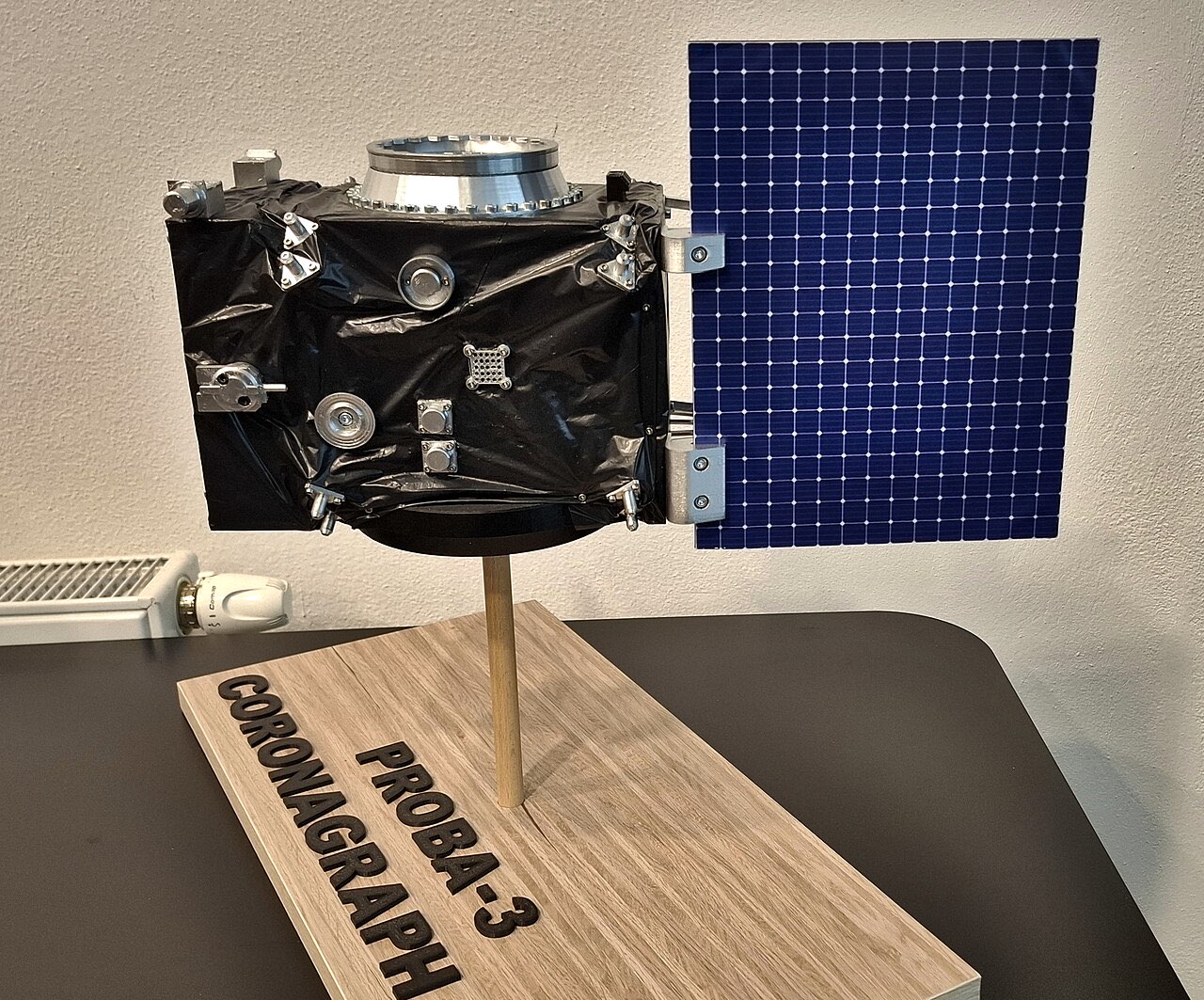
Aluminium. Here: Base; Shell skin, Z-rings and base ring structure and more. There: Main structure tube; Equipment box (EQB) and more.
Titanium. Here: Propellant tanks (2). There: OBA unit attachment fittings; Instrument support bipods (3).
Boeing
Aluminium. Here: Base; Shell skin, Z-rings and base ring structure and more. There: Hub and wheel disc (MESH-1 prototype wheel).
Titanium. Here: Propellant tanks (2). There: Tread chevrons; Inner frame (MESH-1 prototype wheel; flight material not stated).
Grumman / NASA
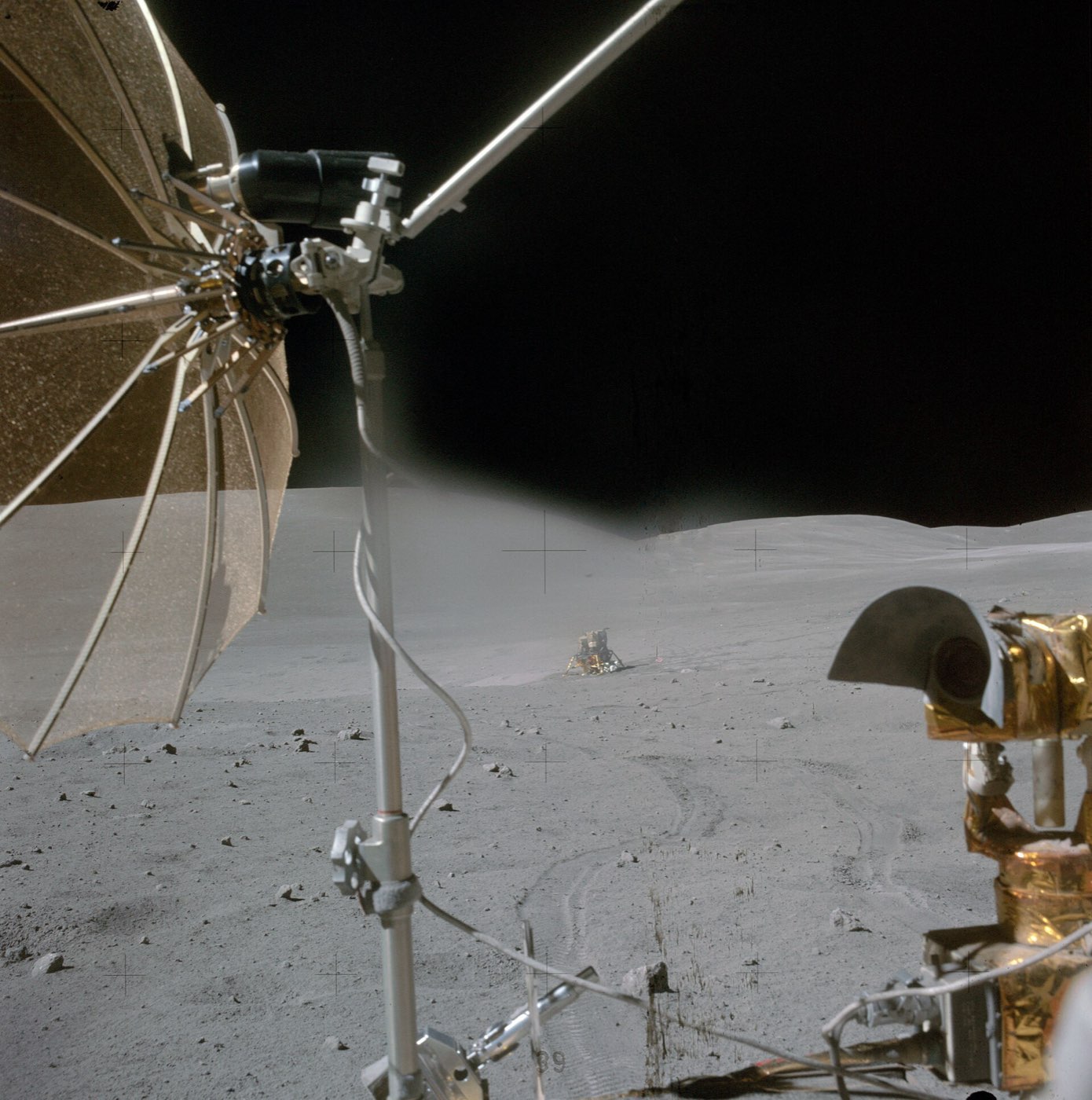
Aluminium. Here: Base; Shell skin, Z-rings and base ring structure and more. There: Cabin front-face, RCS cluster trusses, decks and bulkheads; Micrometeoroid shield and more.
Titanium. Here: Propellant tanks (2). There: Some brackets and fasteners (lunar module); Descent-stage hot-area structure and more.
The materials of the bioshield, legs, footpads, instrument bay and instruments are not stated. Nor are the generator housings, the thermoelectric materials inside them and the alloys of the aluminium and titanium parts.
What is written above is built from these numbers and quotes. Each row links to the page it was taken from. Get all of it as JSON, or ask our MCP server.
| What | Value |
|---|---|
| Landed mass | about 600 kg |
| Footprint | Footpads on an equilateral triangle, 2.21 m sides |
| Power | Two RTGs, 30 W each |
| Aeroshell diameter | 3.5 m |
| Viking 1 launch | 20 August 1975 |
| Viking 1 landing | 20 July 1976, Chryse Planitia |
| Destination | Mars |
Each material named in the sources: where it is used here, which other products use it, and its key numbers when its material page exists.
Used in 3 partsBase · Shell skin, Z-rings and base ring structure · Outer cone base cover
Used in 1 partInner cone base cover
Used in 1 partRTG fuel (2 units)
Used in 1 partForebody heat shield
Used in 1 partPropellant tanks (2)
Structure, tanks, aeroshell and ablator have stated materials; bioshield and RTG hardware do not.
| Part | Material | Finish and standard | Made by |
|---|---|---|---|
| Base“six-sided aluminum base with alternate 1.09 m and .56 m long sides” | aluminium (alloy not stated)aluminium | — | — |
| Part | Material | Finish and standard | Made by |
|---|---|---|---|
| Propellant tanks (2)“two spherical titanium tanks mounted on opposite sides of the lander” | titanium (alloy not stated)titanium | — | — |
| Part | Material | Finish and standard | Made by |
|---|---|---|---|
| Shell skin, Z-rings and base ring structure“A l l of these components are constructed of aluminum.” | aluminium (alloy not stated)aluminium | — | NASA TN D-8300, Langley |
| Outer cone base cover“0.0254 cm of aluminum alloy for the outer cone” | aluminium alloy (grade not stated)aluminium | — | — |
| Inner cone base cover“laminated glass fabric and phenolic resin (fiberglass) for the inner cone” | laminated glass fabric and phenolic resin (fiberglass)fiberglass-phenolic-laminate | — | — |
| Part | Material | Finish and standard | Made by |
|---|---|---|---|
| Forebody heat shield“Super-Lightweight Ablator - SLA-561” | SLA-561 super-lightweight ablatorsla-561v | — | Developed by Martin Marietta per same source |
| Aeroshell outer skin ablation coating (thickness)“coated with an ablation material approximately 0.86 c m thick” | ablation material (type not named in this report) | — | — |
| Part | Material | Finish and standard | Made by |
|---|---|---|---|
| RTG fuel (2 units)“two radioisotope thermal generator (RTG) units containing plutonium 238” | plutonium-238plutonium-238 | — | — |
| Part | Material | Finish and standard | Made by |
|---|---|---|---|
| Bioshield“The lander was encased in a bioshield at launch to prevent contamination” | Not said | — | — |
Bioshield material, RTG housing/thermoelectric materials, legs, footpads, lander bay and instrument materials not found in NASA sources reached. Propellant tank alloy not stated. The TN D-8300 report does not name the ablator; SLA-561 is linked to Viking in a separate NASA Ames slide deck. SLA-561V was used on the heat shield, the aluminium skin of the aeroshell is not confirmed to be honeycomb.
Collected from public pages and documents, checked 4 Nov 2026.
Published · Updated