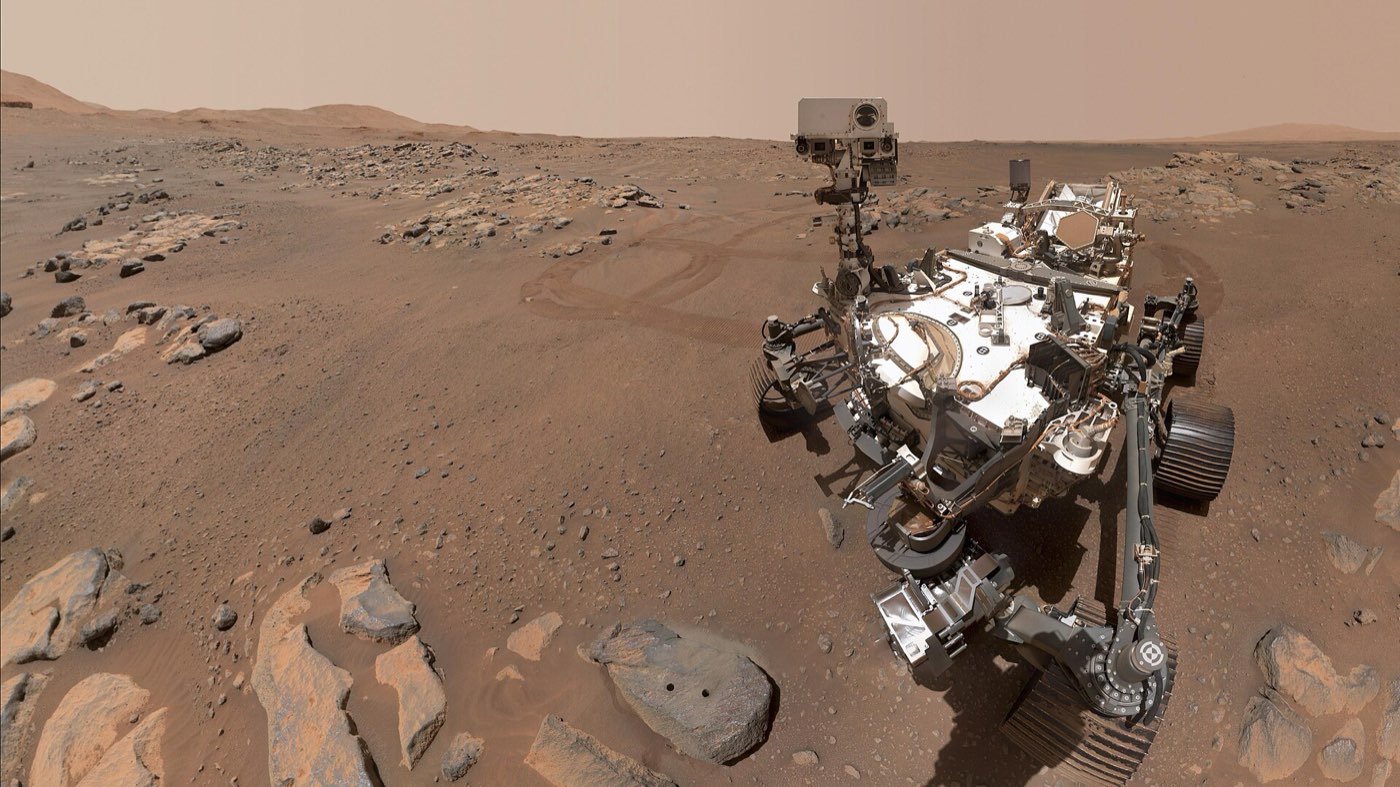
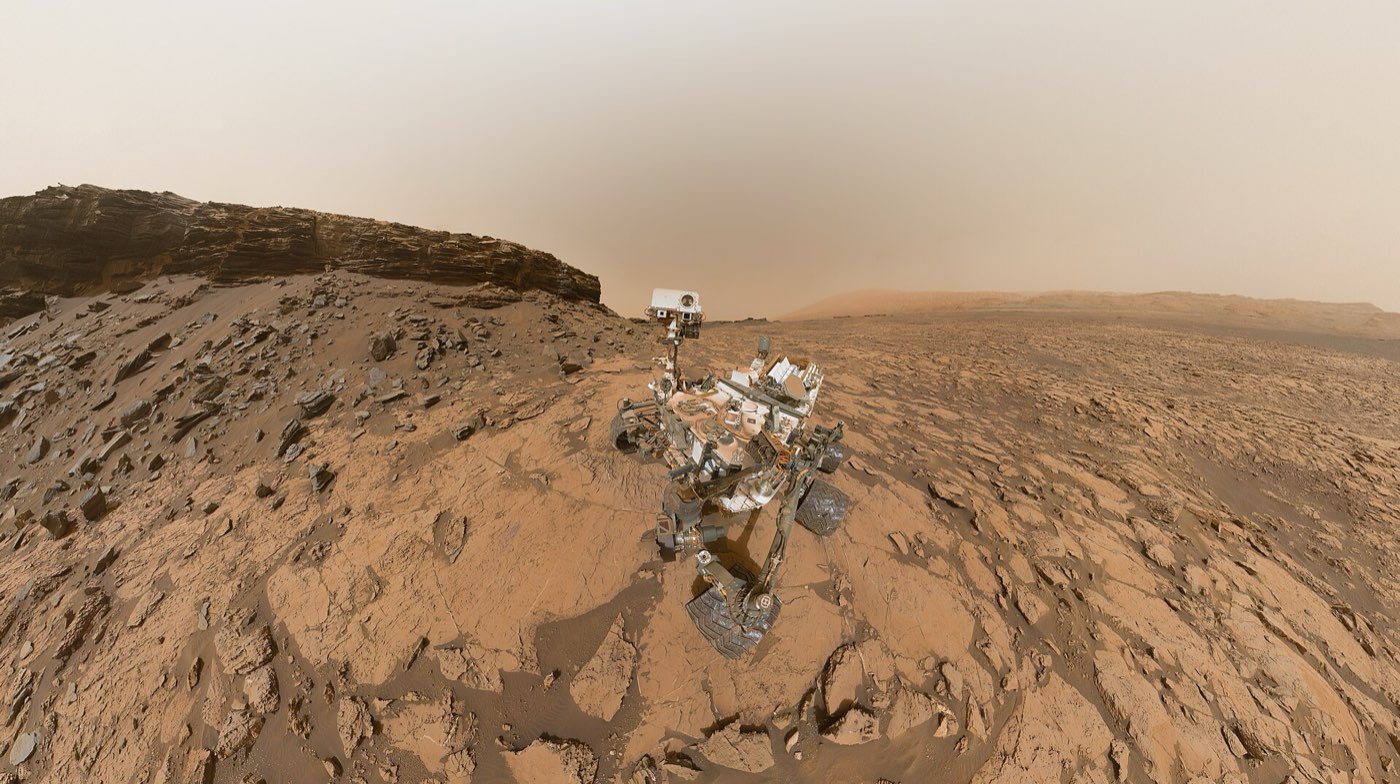
Curiosity rover selfie mosaic near Murray Buttes on Mars, rover on cracked bedrock under a dusty sky
NASA / JPL

Curiosity

Curiosity is a small-SUV-sized NASA rover that has been exploring Mars since 2012.

Landers and rovers
Product IDnasa-curiosity-rover
Mass
899 kg on Earth (337 kg weight at Mars gravity)
Size
About 10 ft long, 9 ft wide, 7 ft tall
Launch
26 November 2011
Landing
6 August 2012, Gale Crater
Power
MMRTG about 110 W at launch

In short

Curiosity is the rover of NASA's Mars Science Laboratory mission, built by NASA and the Jet Propulsion Laboratory. It landed in Gale Crater on 6 August 2012 and has explored the crater since, to assess whether the area could have supported microbial life. It carries ten science instruments, a drill and a robotic arm.

Its six wheels are milled out of solid aluminium, and its suspension tubes and arms are titanium. An ablative heat shield of PICA tiles, which wear away as they heat, protected it on entry. Its power comes from a nuclear source called an MMRTG, and Curiosity was the first NASA mission to carry one.

Application

Curiosity has explored Gale Crater on Mars since 2012 to assess whether the area could have supported microbial life. It carries ten science instruments, a drill and a robotic arm. Its machined aluminium wheels, titanium suspension, ablative heat shield and nuclear power source were the template for Perseverance.

How it is built

Wheels and suspension

Each wheel is milled out of solid aluminium. The shell is machined down to about 30 thousandths of an inch thick. The tubes and the suspension arms that come down to the wheels are all titanium.

  • Wheel (6)
  • Wheel shell thickness
  • Suspension tubes and arms to wheels

Heat shield

The entry heat shield was made of tiles of PICA, short for phenolic impregnated carbon ablator. The gaps between the tiles were filled with RTV, a rubbery sealant.

  • Heat shield tiles

Power source

The MMRTG turns the heat of 4.8 kg of plutonium dioxide fuel into electricity using 768 thermocouples of lead telluride and TAGS. Iridium cladding and graphite sleeves protect the fuel, and a carbon-fibre aeroshell box surrounds each of eight heat-source modules.

  • MMRTG heat source fuel
  • MMRTG thermoelectric couples (768)
  • GPHS fuel cladding
  • GPHS graphite sleeves
  • GPHS aeroshell box
Where the parts areNumber of parts we have listed in each group
  • Power: MMRTG5
  • Mobility (wheels and suspension)3
  • Entry, descent and landing: heat shield2

What it is made of

  • Aluminium

    The wheels, each milled out of solid aluminium. The alloy is not stated.

  • Titanium

    The suspension tubes and the arms that come down to the wheels.

  • PICA

    The ablator tiles of the entry heat shield.

  • Plutonium dioxide

    The ceramic fuel in the power source, 4.8 kg in total.

  • Lead telluride and TAGS

    The 768 thermocouples that turn the fuel's heat into electricity.

  • Iridium

    The metal cladding around the plutonium fuel.

The materials by familyHow many of the parts that name a material use each one
  • Other4
  • Aluminium2
  • Carbon fibre2
  • Titanium1
  • Semiconductors1

How it connects to other things

NASA and its Jet Propulsion Laboratory built Curiosity as the rover of the Mars Science Laboratory mission, launched on 26 November 2011. It was the first NASA mission to carry an MMRTG. Its machined aluminium wheels, titanium suspension, ablative heat shield and nuclear power source were the template for the Perseverance rover.

Carried by

  • Atlas V

    United Launch Alliance

    Launched on an Atlas V 541

Products that use the same materials

  • Perseverance

    NASA / JPL

    Aluminiumcarbon-fibre materialgraphiteiridium metal+5 more
    Where each one is used

    Aluminium. Here: Wheel (6); Wheel shell thickness. There: Wheel body (6).

    carbon-fibre material. Here: GPHS aeroshell box. There: GPHS aeroshell box.

    graphite. Here: GPHS graphite sleeves. There: GPHS graphite sleeves.

    iridium metal. Here: GPHS fuel cladding. There: GPHS fuel cladding.

    lead telluride / TAGS. Here: MMRTG thermoelectric couples (768). There: MMRTG thermoelectric couples (768).

    PICA. Here: Heat shield tiles. There: Heat shield ablator tiles.

    plutonium dioxide. Here: MMRTG heat source fuel. There: MMRTG heat source fuel.

    SLA-561V. Here: Backshell ablator. There: Backshell ablator.

    Titanium. Here: Suspension tubes and arms to wheels. There: Wheel spokes; Legs / suspension tubing and more.

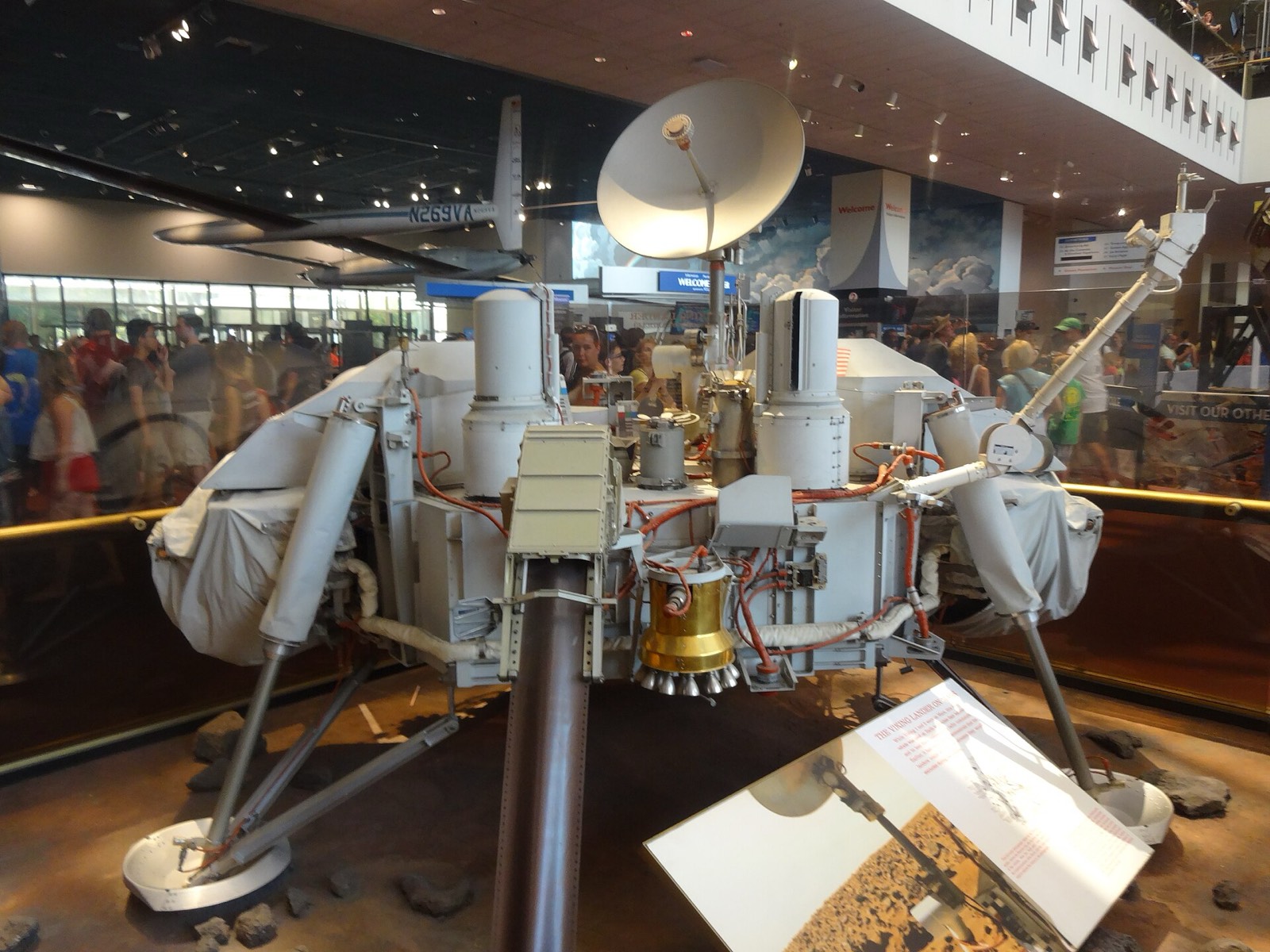
  • Viking lander

    NASA

    AluminiumSLA-561VTitanium
    Where each one is used

    Aluminium. Here: Wheel (6); Wheel shell thickness. There: Base; Shell skin, Z-rings and base ring structure and more.

    SLA-561V. Here: Backshell ablator. There: Forebody heat shield.

    Titanium. Here: Suspension tubes and arms to wheels. There: Propellant tanks (2).

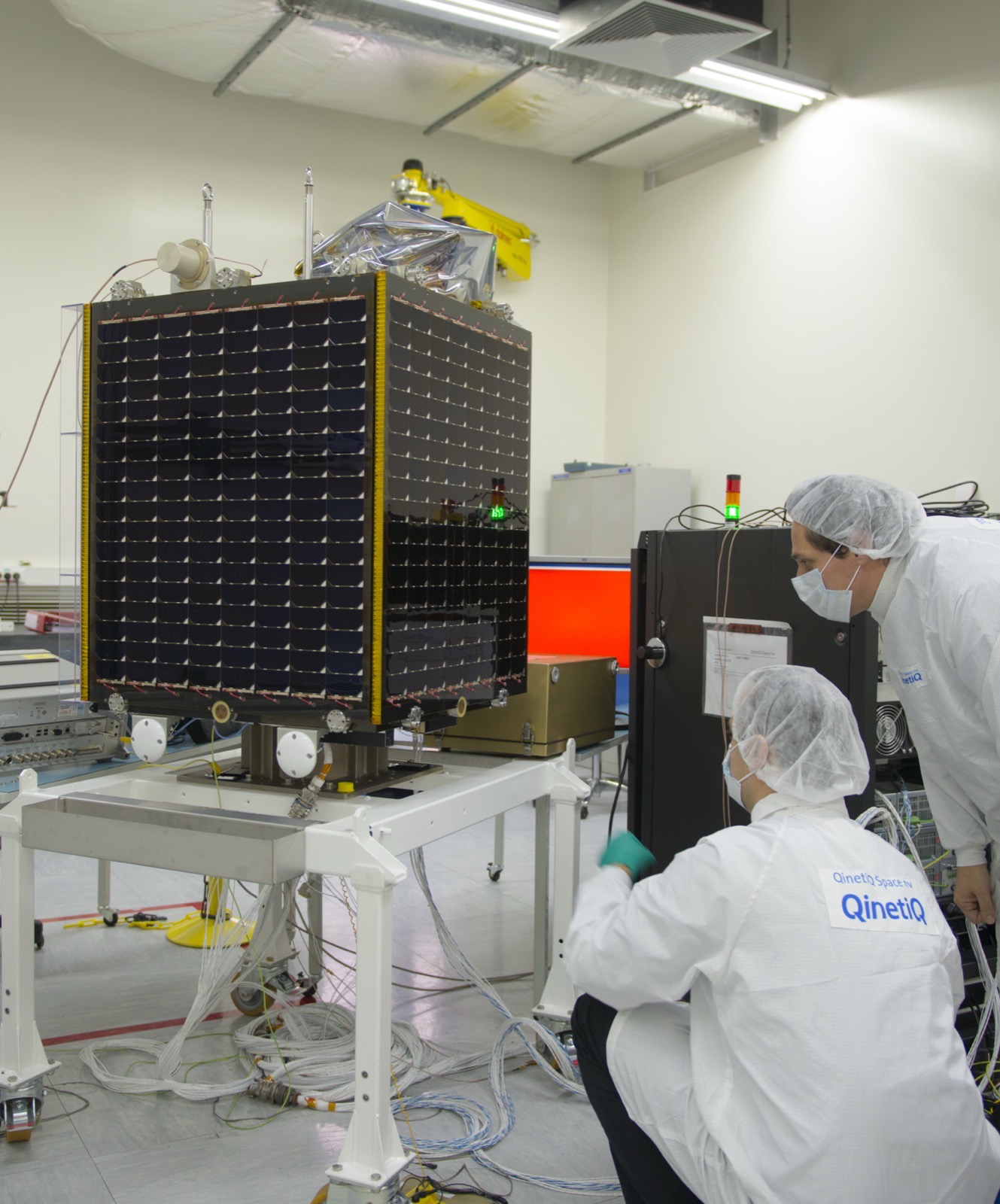
  • Proba-V

    ESA

    AluminiumTitanium
    Where each one is used

    Aluminium. Here: Wheel (6); Wheel shell thickness. There: Telescope (structure and mirrors, 3 telescopes).

    Titanium. Here: Suspension tubes and arms to wheels. There: Focal plane interconnecting structure; Instrument mounting feet / flexures and more.

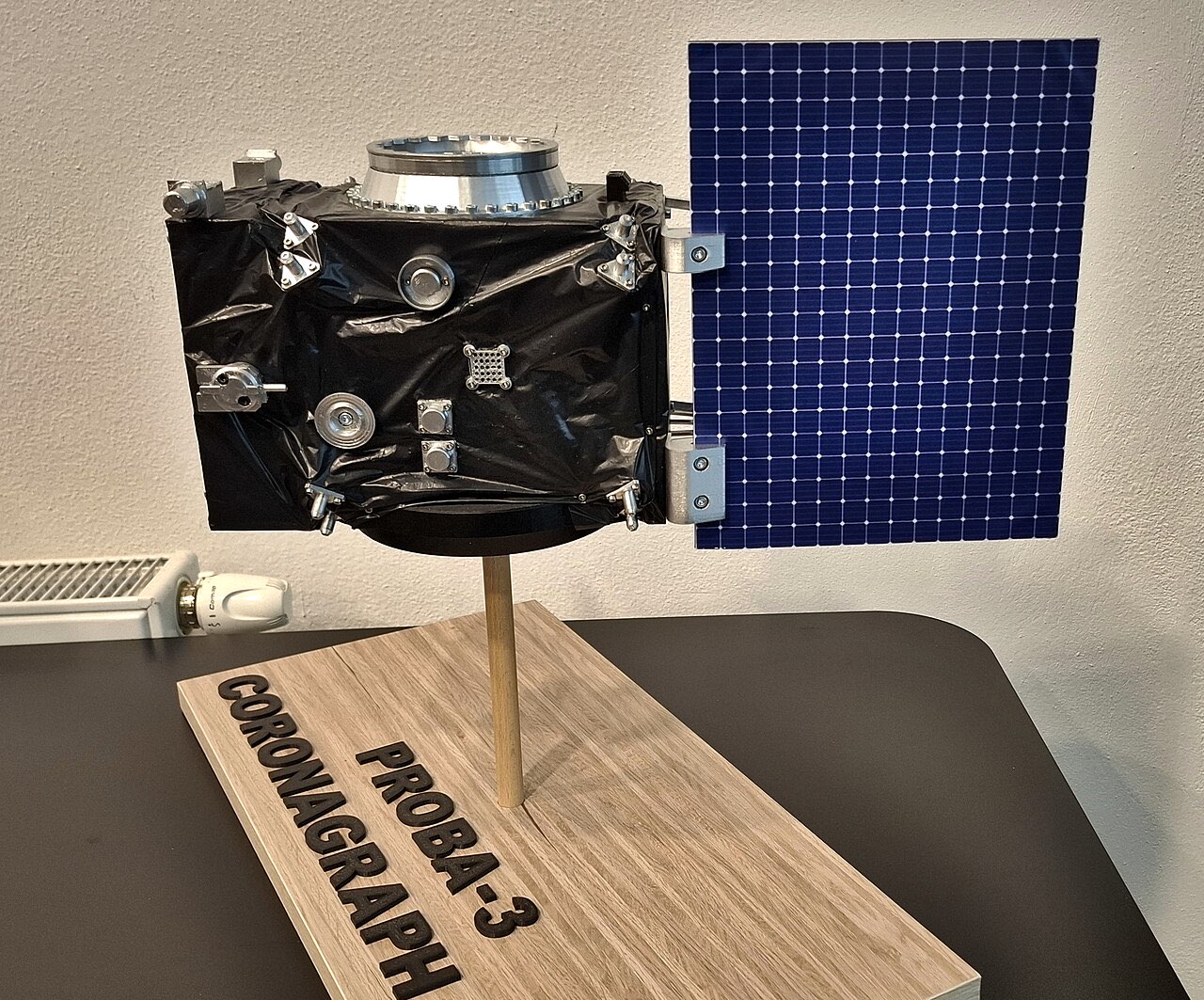
  • Proba-3 Coronagraph spacecraft

    ESA / Airbus

    AluminiumTitanium
    Where each one is used

    Aluminium. Here: Wheel (6); Wheel shell thickness. There: Main structure tube; Equipment box (EQB) and more.

    Titanium. Here: Suspension tubes and arms to wheels. There: OBA unit attachment fittings; Instrument support bipods (3).

  • Apollo Lunar Roving Vehicle

    Boeing

    AluminiumTitanium
    Where each one is used

    Aluminium. Here: Wheel (6); Wheel shell thickness. There: Hub and wheel disc (MESH-1 prototype wheel).

    Titanium. Here: Suspension tubes and arms to wheels. There: Tread chevrons; Inner frame (MESH-1 prototype wheel; flight material not stated).

  • Apollo Lunar Module (LM)

    Grumman / NASA

    AluminiumTitanium
    Where each one is used

    Aluminium. Here: Wheel (6); Wheel shell thickness. There: Cabin front-face, RCS cluster trusses, decks and bulkheads; Micrometeoroid shield and more.

    Titanium. Here: Suspension tubes and arms to wheels. There: Some brackets and fasteners (lunar module); Descent-stage hot-area structure and more.

What we do not know

Nothing is stated about the materials of the mast, robotic arm, chassis, batteries, electronics and instruments. The aluminium alloy of the wheels is not named, and nor is the material of the heat shield's own structure.

The detailed data

What is written above is built from these numbers and quotes. Each row links to the page it was taken from. Get all of it as JSON, or ask our MCP server.

Features

  • First NASA mission to carry an MMRTG
  • Carries ten science instruments
  • Wheels have 19 zigzag grousers

Specifications

WhatValue
Mass899 kg on Earth (337 kg weight at Mars gravity)
SizeAbout 10 ft long, 9 ft wide, 7 ft tall
Launch26 November 2011
Landing6 August 2012, Gale Crater
Wheel sizeAbout 50 cm diameter, 40 cm wide
PowerMMRTG about 110 W at launch
Entry heat shield4.5 m diameter, 70-degree spherecone

Materials in detail

Each material named in the sources: where it is used here, which other products use it, and its key numbers when its material page exists.

  • Aluminium

    Used in 2 partsWheel (6) · Wheel shell thickness

    Weight
    2.7 g/cm3
    Electrical conduction
    2.6458 µΩ·cm
    Heat conduction
    220 W/(m·K)
    Also in 33 other products
  • carbon-fibre material (carbon-bonded carbon fibre per figure labels)

    carbon-bonded-carbon-fibre

    Used in 1 partGPHS aeroshell box

    Also in 1 other product
    Material page coming soon
  • graphite

    graphite

    Used in 1 partGPHS graphite sleeves

    Also in 1 other product
    Material page coming soon
  • iridium metal

    iridium

    Used in 1 partGPHS fuel cladding

    Also in 1 other product
    Material page coming soon
  • lead telluride / TAGS (tellurium-antimony-germanium-silver)

    pbte-tags-thermoelectric

    Used in 1 partMMRTG thermoelectric couples (768)

    Also in 1 other product
    Material page coming soon
  • PICA (phenolic impregnated carbon ablator)

    pica

    Used in 1 partHeat shield tiles

    Also in 1 other product
    Material page coming soon
  • plutonium dioxide (Pu-238)

    plutonium-dioxide-fuel

    Used in 1 partMMRTG heat source fuel

    Also in 1 other product
    Material page coming soon
  • SLA-561V

    sla-561v

    Used in 1 partBackshell ablator

    Also in 2 other products
    Material page coming soon
  • Titanium (commercially pure, grades 1 to 4)

    Used in 1 partSuspension tubes and arms to wheels

    Density, CP grade 1
    4.51 g/cm³
    Density, CP grade 2 (bar and billet)
    4.51 g/cm³
    Density, CP grade 3
    4.51 g/cm³
    Also in 17 other products

Every part we have

Wheels, suspension tubes, entry-vehicle thermal protection and the MMRTG have stated materials. The body, mast, arm and instruments do not.

Material IDs

aluminiumtitaniumpicasla-561vplutonium-dioxide-fuelpbte-tags-thermoelectriciridiumgraphitecarbon-bonded-carbon-fibre
Mobility (wheels and suspension)3
PartMaterialFinish and standardMade by
Wheel (6)“milled out of solid aluminum” aluminium (milled from solid; alloy not stated)aluminium — Wheel 50 cm diameter, 40 cm wide
Wheel shell thickness“a piece of machined aluminum that's about 30-thousandths of an inch thick” aluminiumaluminium — —
Suspension tubes and arms to wheels“The tubes, the suspension arms coming down to the wheels; those are all titanium.” titaniumtitanium — —
Entry, descent and landing: heat shield2
PartMaterialFinish and standardMade by
Heat shield tiles“MSL heatshield was made of PICA tiles with RTV gap fillers” PICA (phenolic impregnated carbon ablator)pica — —
Backshell ablator“The nominal uniform thickness of SLA-561V for Mars 2020 was 1.27 cm (0.5 inch), the same as it was for MSL.” SLA-561Vsla-561v — —
Power: MMRTG5
PartMaterialFinish and standardMade by
MMRTG heat source fuel“contains a total of 10.6 pounds (4.8 kilograms) of plutonium dioxide fuel” plutonium dioxide (Pu-238)plutonium-dioxide-fuel — —
MMRTG thermoelectric couples (768)“Lead telluride (PbTe)//Germanium telluride/Silver Antimony telluride (TAGS)” lead telluride / TAGS (tellurium-antimony-germanium-silver)pbte-tags-thermoelectric — —
GPHS fuel cladding“iridium metal cladding, graphite sleeves that protect the fuel clads” iridium metaliridium — —
GPHS graphite sleeves“graphite sleeves that protect the fuel clads” graphitegraphite — —
GPHS aeroshell box“the rugged carbon-fiber material that forms the aeroshell” carbon-fibre material (carbon-bonded carbon fibre per figure labels)carbon-bonded-carbon-fibre — —

What the sources leave out

MSL-specific structure of heat shield and backshell, mast, arm, chassis, batteries, instruments and electronics not sourced. The SLA-561V and RTV-560 rows rely on NASA statements about the Mars 2020 design being the same as MSL.
Where this comes from

6 pages from 3 websites

More space products

Collected from public pages and documents, checked 4 Nov 2026.

Published · Updated