The open materials platform
Look up any material and see what's known about it: its properties, what it's used for, how it performs and how it fails, with every number traced to its source. From labs and factories on Earth to orbit, the Moon and Mars.
Categories
Metals and alloys309 Polymers111 Ceramics71 Energy materials22 Glasses and optics19 Composites19 Carbon materials17 Thermal protection17 Shielding14 Semiconductors13 Regolith and in-situ13 Coatings and surfaces12 Lubricants and tribology12 Seals and adhesives12 Electronics materials10 Living materials10 Fabrics and textiles8
Environments
Space products
View all products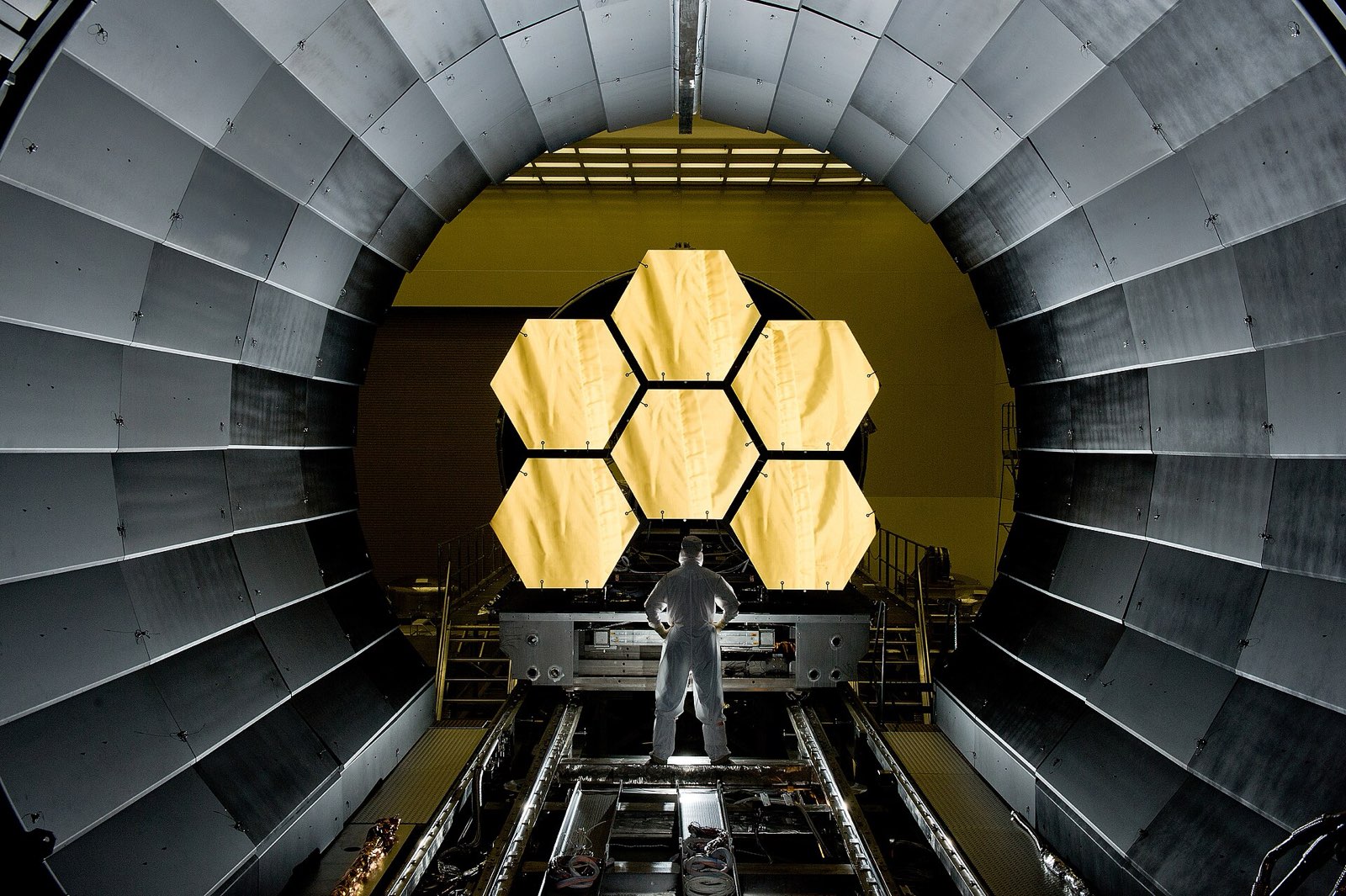
NASA
James Webb Space Telescope
18 materials · Partial parts list

SpaceX
Falcon 9
8 materials · Partial parts list
NASA
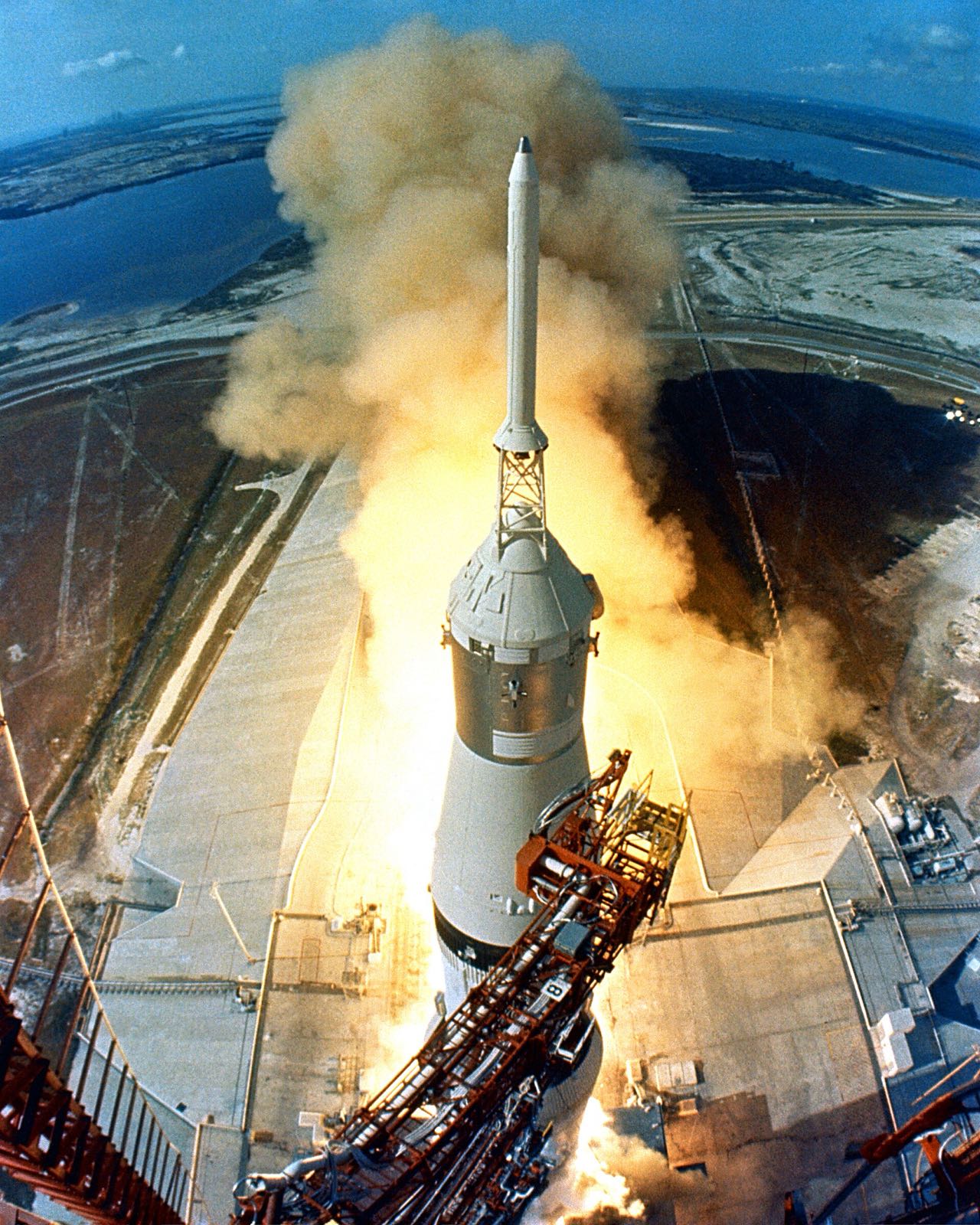
Saturn V
17 materials · Partial parts list
NASA
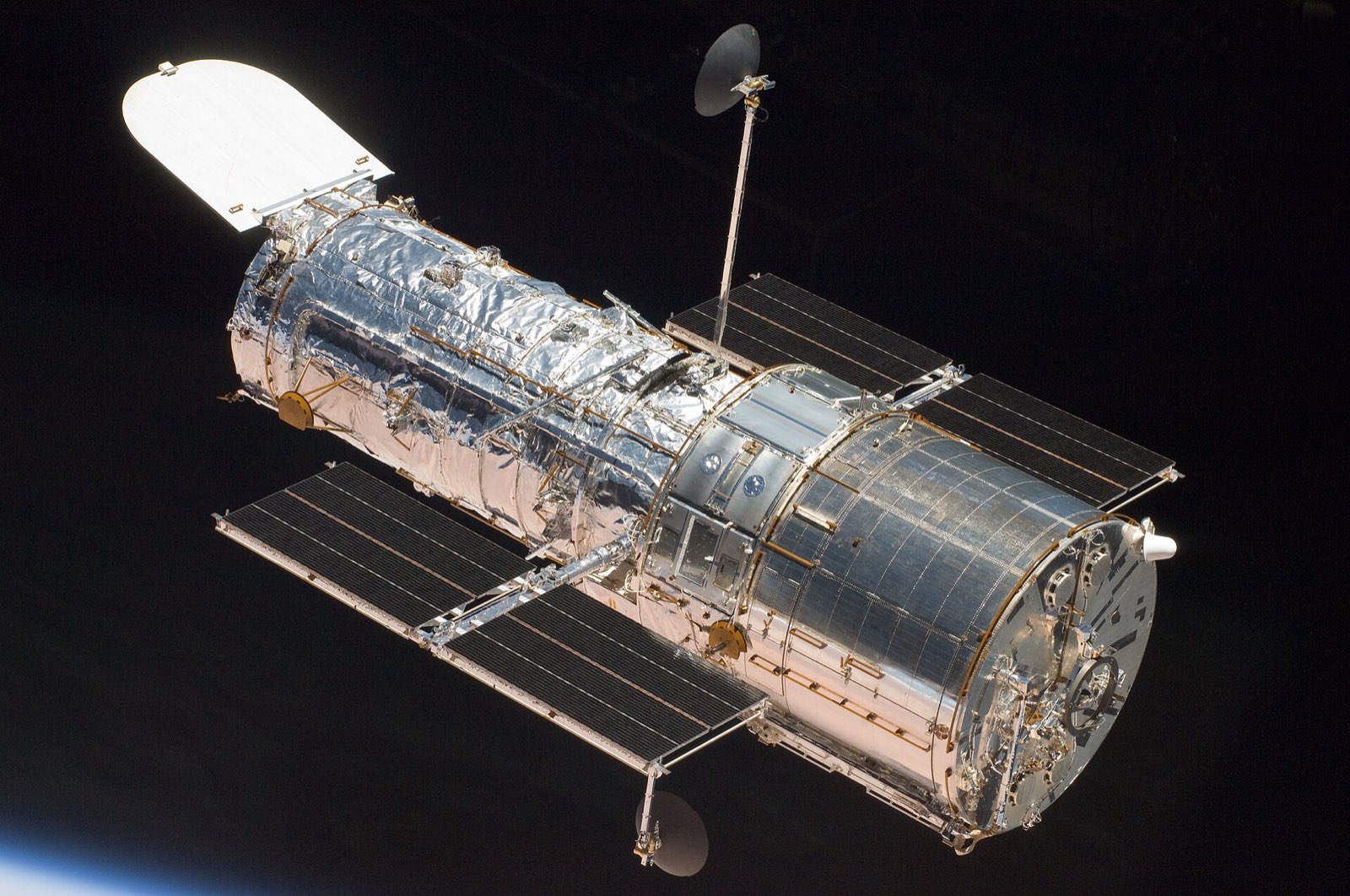
Hubble Space Telescope
12 materials · Partial parts list
NASA / JPL
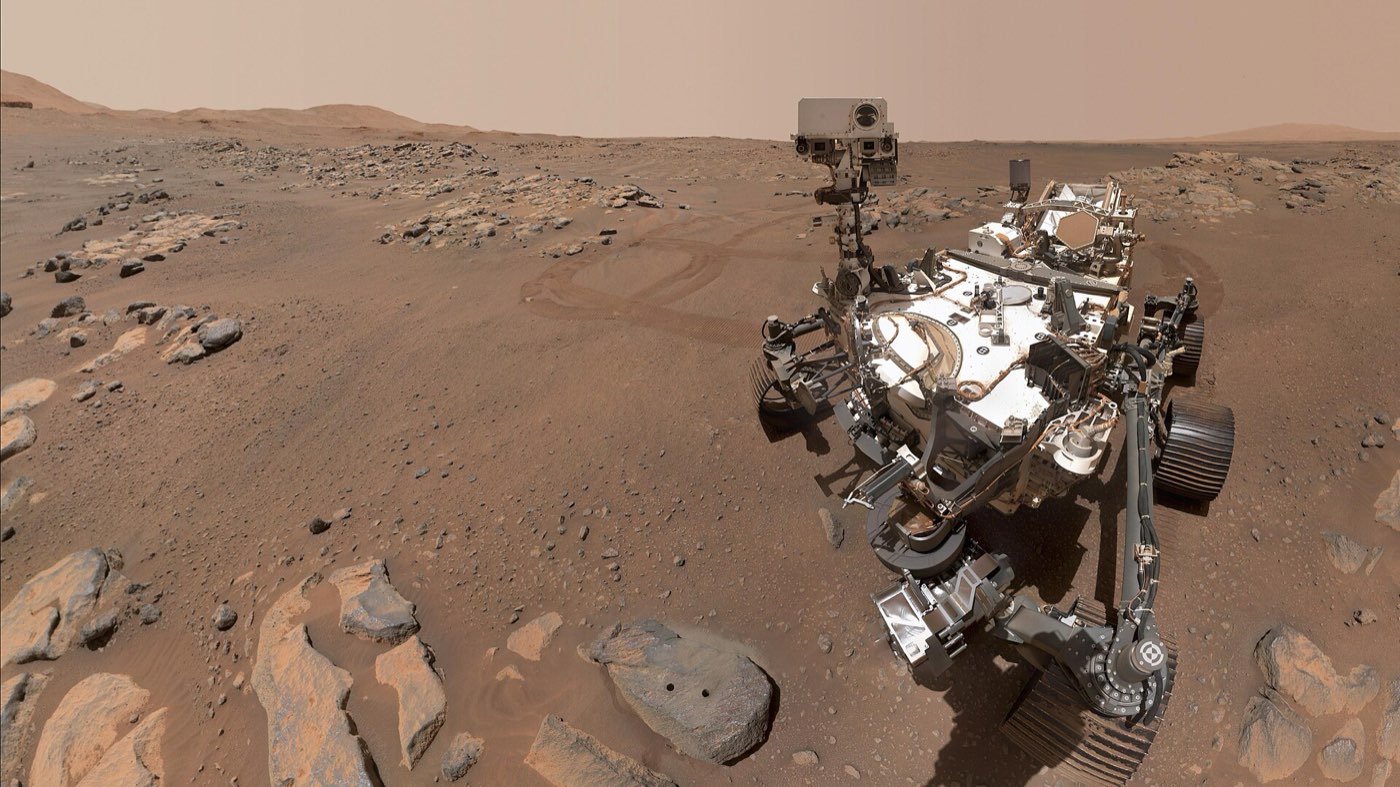
Perseverance
18 materials · Partial parts list
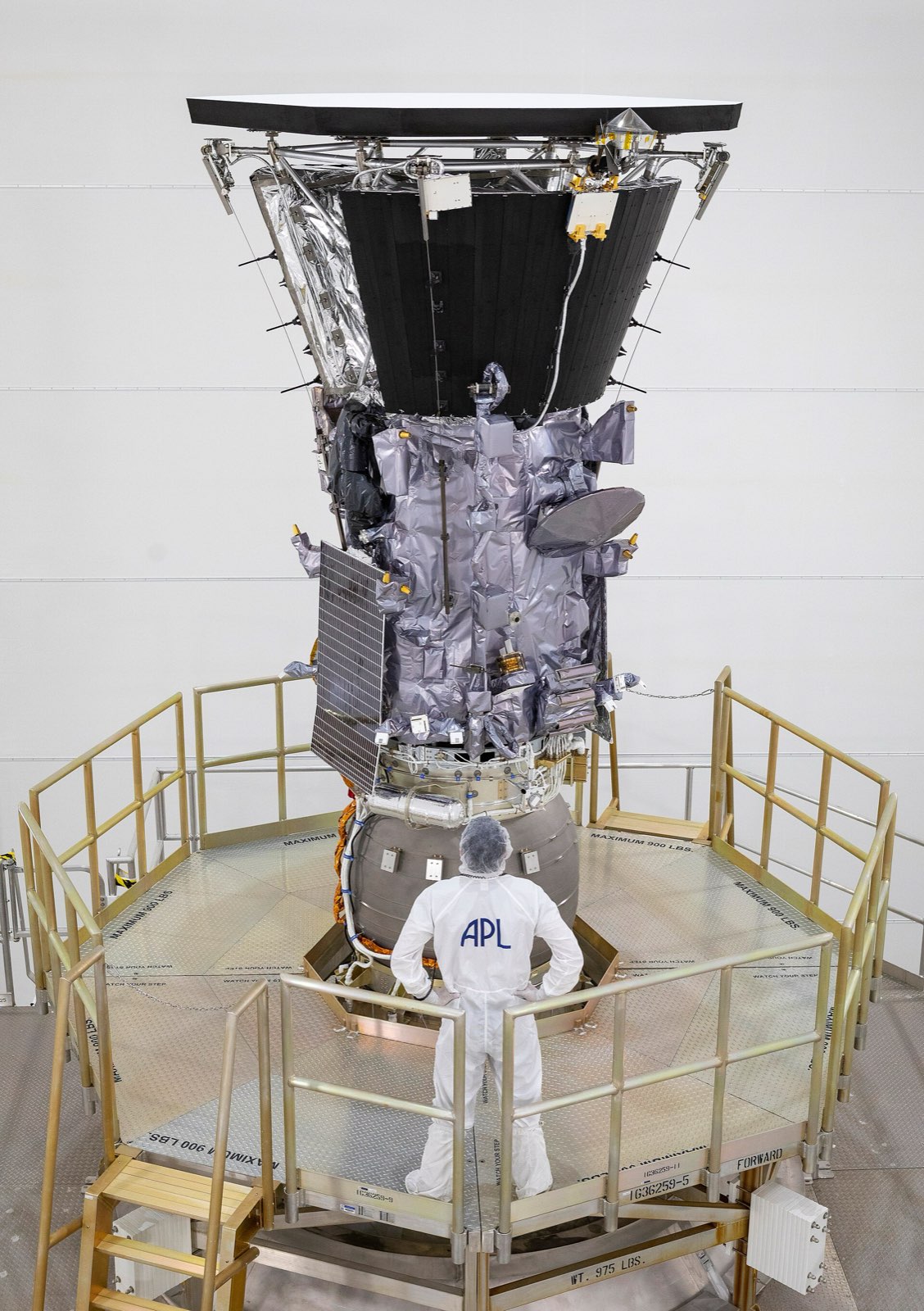
NASA / Johns Hopkins APL
Parker Solar Probe
17 materials · Partial parts list
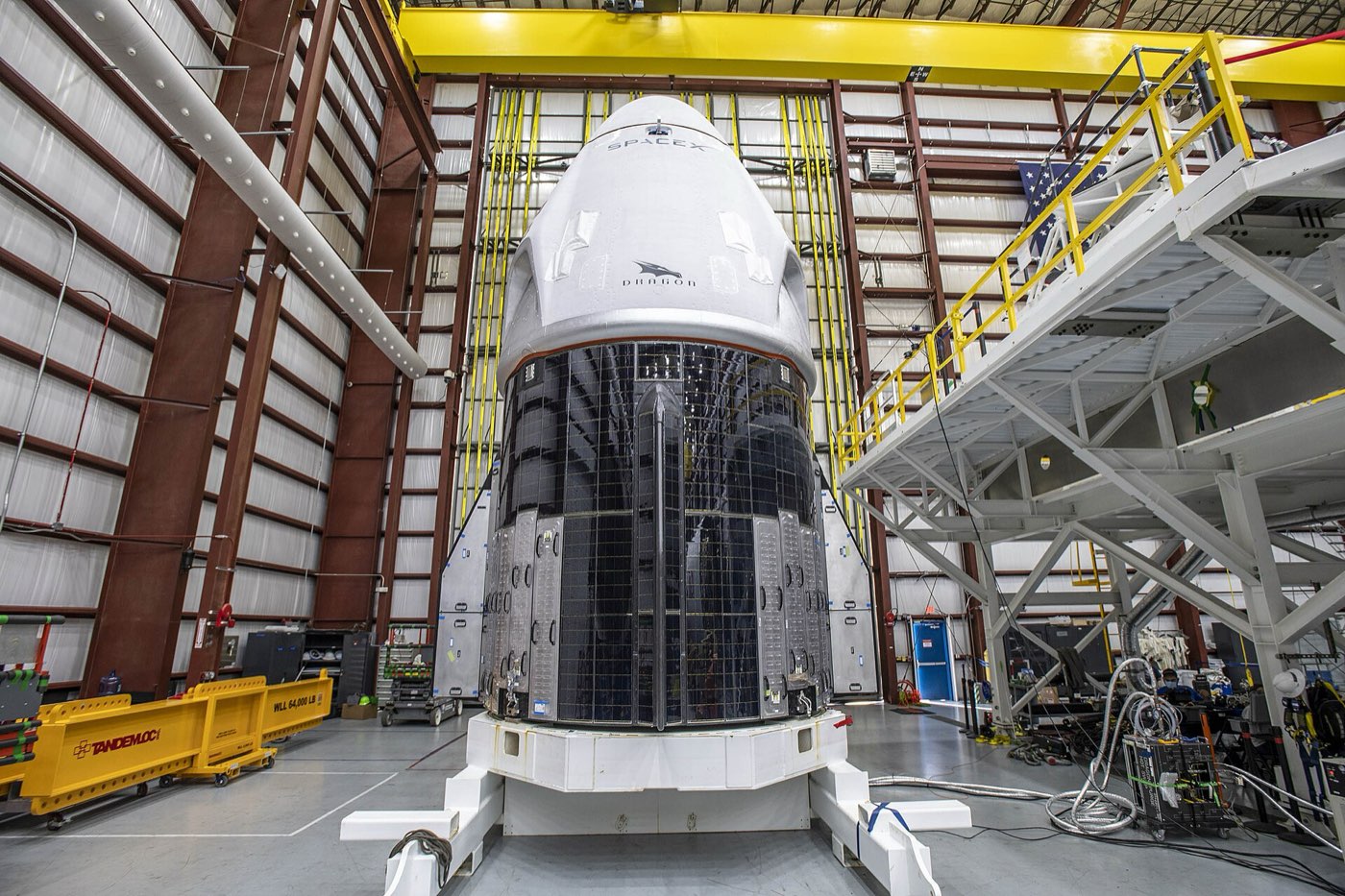
SpaceX
Crew Dragon
3 materials · Partial parts list
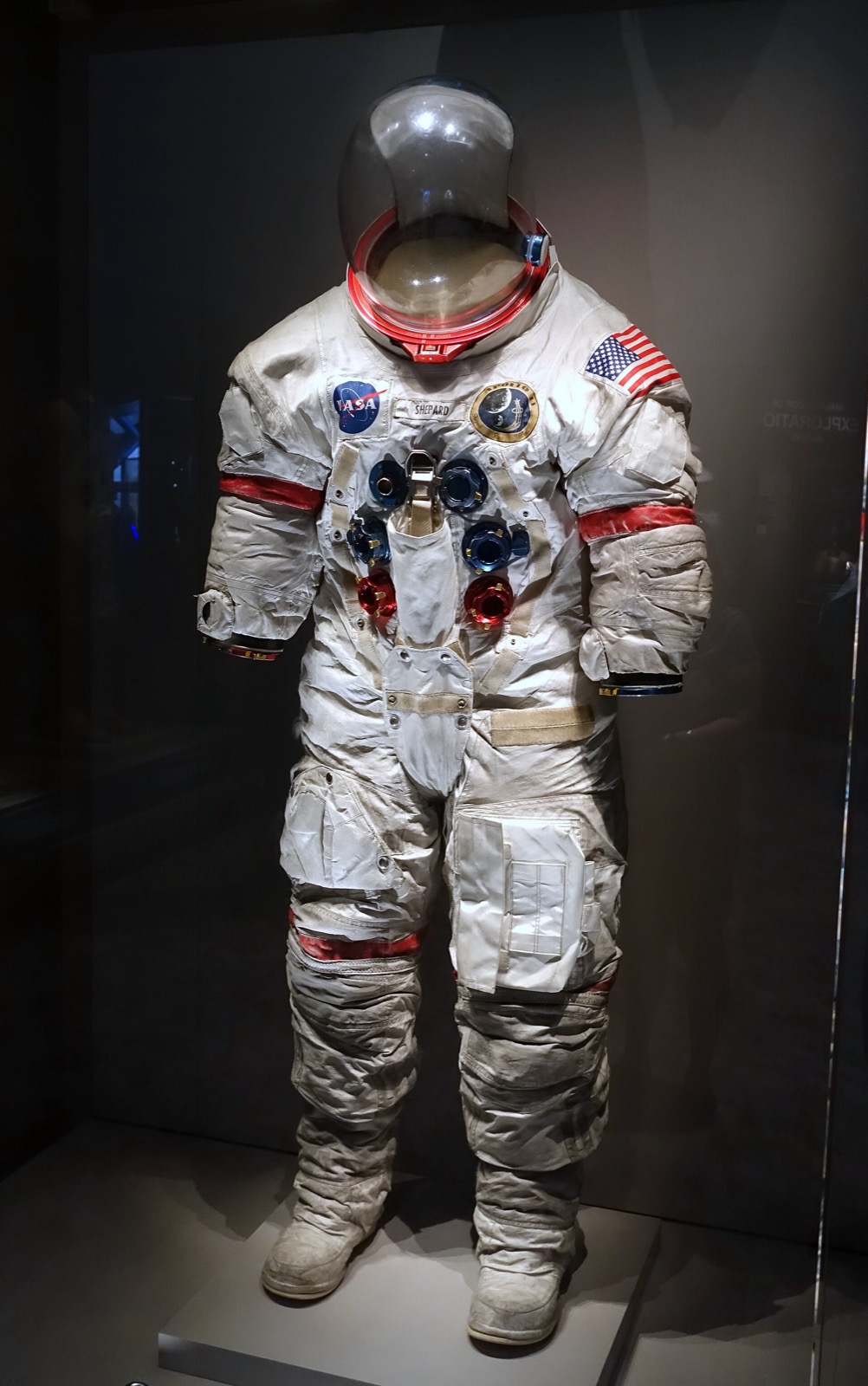
ILC Industries
Apollo A7L spacesuit
15 materials · Partial parts list
Materials
Browse all → misse2/upilex-s
Polyimides • 777 µm lost in orbit • 1 source • 2005
misse2/delrin
Acetals • 771 µm lost in orbit • 1 source • 2005
misse2/pbt
Polyesters • 768 µm lost in orbit • 1 source • 2005
misse2/cr-39
Polycarbonates • >573 µm lost in orbit • 1 source • 2005
misse2/pmma
Acrylics • >472 µm lost in orbit • 1 source • 2005
misse2/ca
Cellulosics • 426 µm lost in orbit • 1 source • 2005
Articles
All 47 articles → Which stainless steel to choose: 17 grades compared on the data Material selection • 17 materials Which aluminium alloy to choose: 6061, 7075, 5052, 5083 and more Material selection • 10 materials Yield strength vs tensile strength: how big is the gap? Read the data • 21 materials Which metals conduct heat best, and which worst? Read the data • 28 materials Stainless steel for seawater: 316, 2205 or 2507? Material selection • 6 materials Which materials survive atomic oxygen in low Earth orbit? Space • 36 materials
Atomic oxygen: most and least resistant
All 40 materials →Erosion after 3.95 years outside the ISS, compared with Kapton H, the reference film. Lower is better. Source: NASA/TM-2008-215490.
| Rank | Material | Compared with Kapton H | Lost in 3.95 years |
|---|---|---|---|
| 1 | White TedlarCrystalline polyvinylfluoride with white pigment | 0.034× | 8.5 µm |
| 2 | PTFEPolytetrafluoroethylene | 0.047× | 12 µm |
| 3 | PFAPerfluoroalkoxy copolymer resin | 0.058× | 15 µm |
| 4 | AFAmorphous fluoropolymer | 0.066× | 17 µm |
| 5 | FEPFluorinated ethylene propylene | 0.067× | 17 µm |
| … | |||
| 36 | PMMAPolymethyl methacrylate | >1.87× | >472 µm |
| 37 | CR-39Allyl diglycol carbonate | >2.27× | >573 µm |
| 38 | PBTPolybutylene terephthalate | 3.04× | 768 µm |
| 39 | DelrinPolyoxymethylene (acetal) | 3.05× | 771 µm |
| 40 | Upilex-SPolyimide (BPDA) | 3.07× | 777 µm |