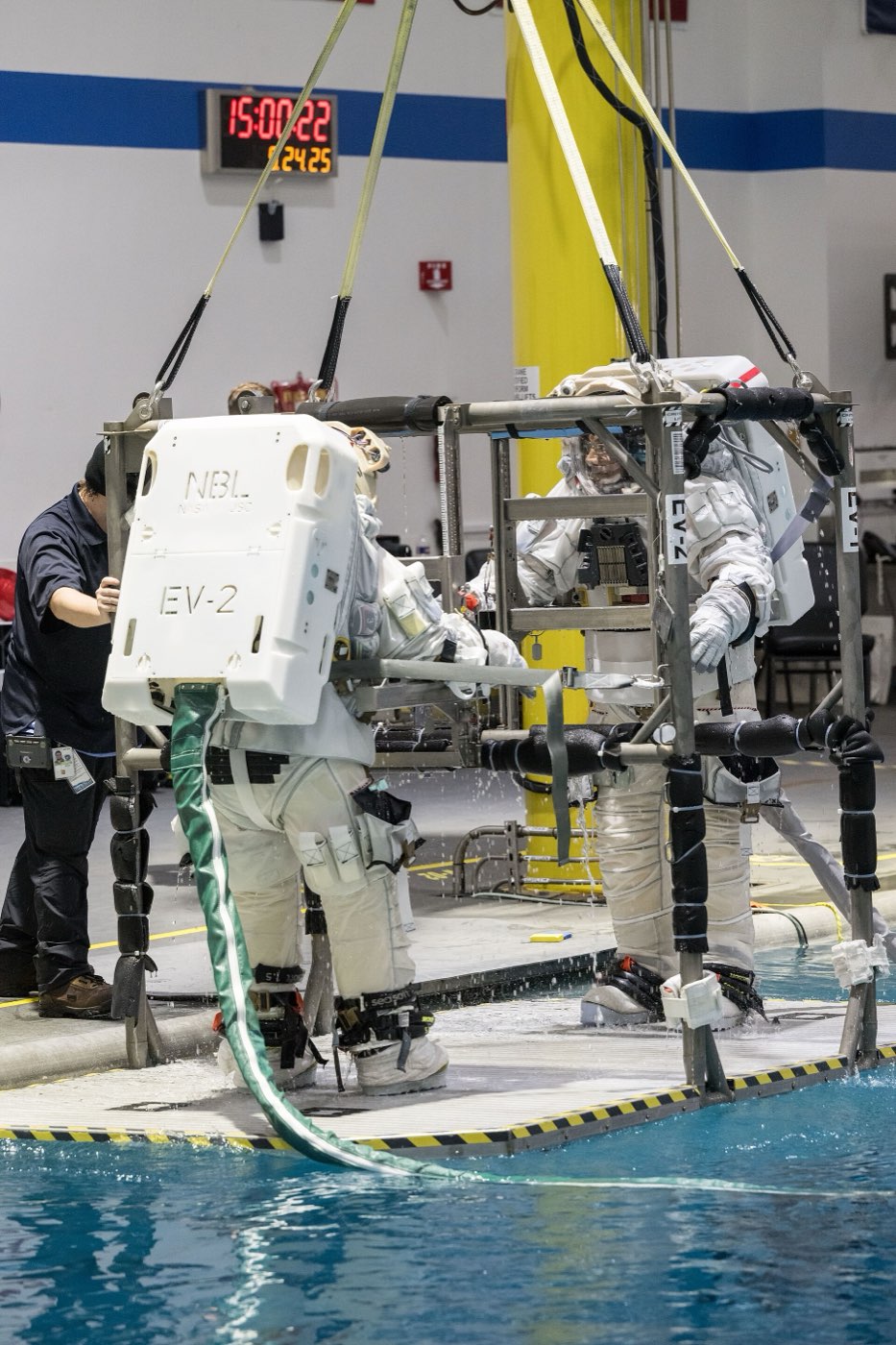
about 82 kg (180 lb), with life support and other components
In short
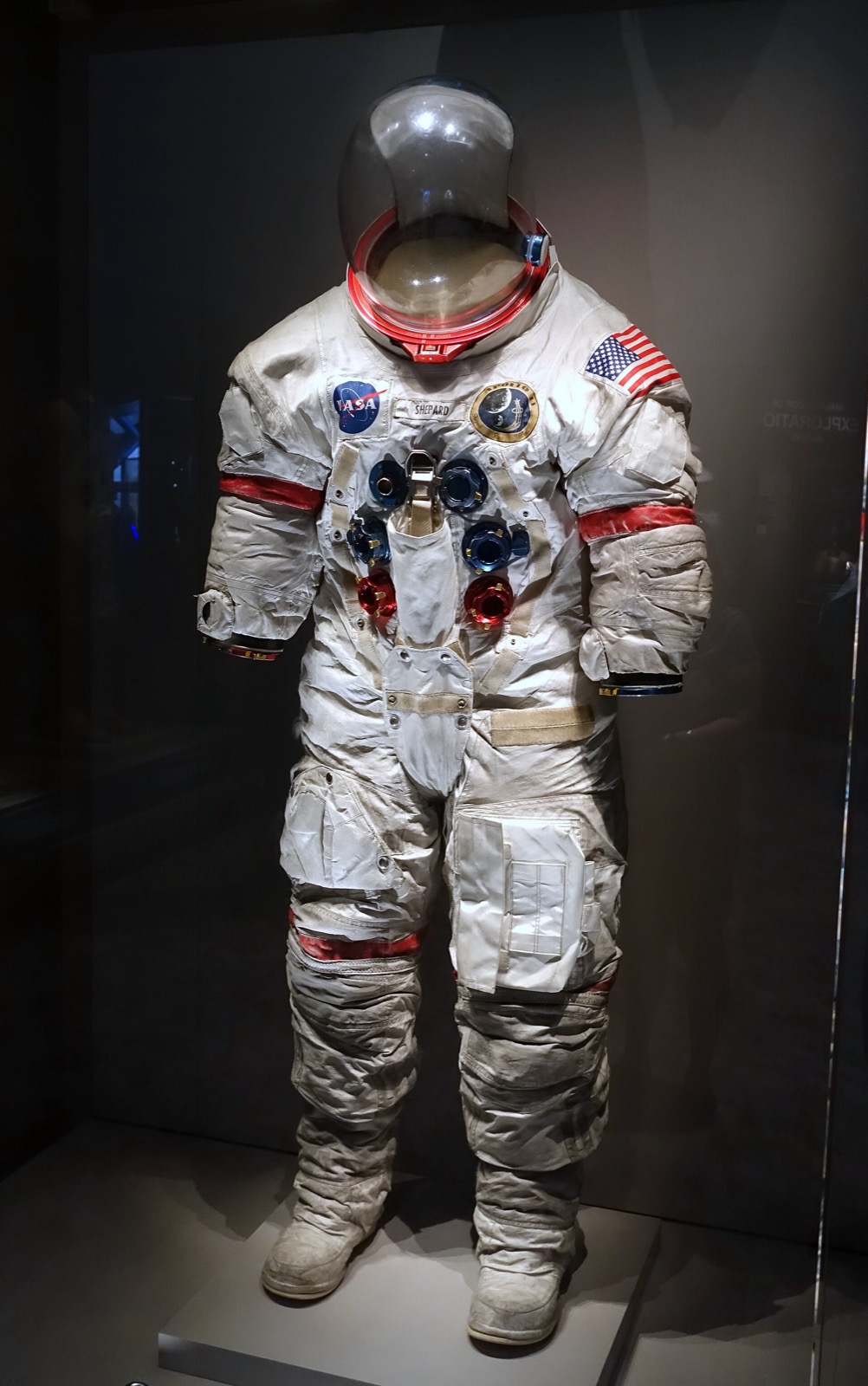
The A7L was the pressure suit worn by Apollo astronauts, including the Moon walkers. ILC (International Latex) made it for NASA, with Hamilton Standard as contractor. The suit kept its wearer alive in vacuum and in a cabin of pure oxygen. It was also the cabin suit on Apollo command module flights, and later on Skylab.
The suit is a stack of layers, and each one has a job. The outside is Beta cloth, a silica fibre coated with Teflon, which resists fire. Aluminised films reflect heat, and spacers keep them apart. A neoprene-coated nylon bladder holds the oxygen pressure, and a cotton undergarment adds comfort.
Application
A pressure suit worn by Apollo astronauts, including the Moon walkers, and the fire-resistant, multi-layer garment kept them alive in vacuum and a 100 percent oxygen cabin. It also served as the cabin suit for Apollo command module flights and later Skylab.
Photos
How it is built
Outer cover layers
The outer cover protects against fire and wear. Beta cloth gives fire protection and does not burn in an oxygen atmosphere, and a Teflon cloth layer resists abrasion and flame. Abrasion patches, gloves and boots use Chromel R, a metallic fibre.
Teflon cloth layer
Beta cloth layer
Abrasion patches
Gloves and boots (Chromel R applications)
Heat-reflecting layers
Films of aluminised gridded Kapton and aluminised Mylar reflect heat. Between them sit spacers that keep the reflective surfaces from touching: nonwoven Dacron, and Beta marquisette, a Teflon-coated silica fibre fabric laminated to Kapton.
Reflective insulation (gridded Kapton)
Spacer between reflective surfaces
Reflective insulation (Mylar)
Spacer layer
Pressure layers
Oxygen pressure is held by a bladder of neoprene-coated nylon, an impermeable layer, together with a nylon restraint layer. Neoprene convolutes, which are flexible joints, retain the pressure.
Bladder
Restraint layer
Flexible joints (convolutes)
Inner liner
Comfort and wear layers
The Constant Wear Garment is a cotton undergarment, there for comfort. Two more layers deal with abrasion and comfort: a knit jersey laminate and a lightweight Nomex cloth.
Constant Wear Garment (undergarment)
Abrasion protection layer
Comfort layer
Where the parts areNumber of parts we have listed in each group
The full order of the layers and their thicknesses are not published, and published layer counts differ. The weave of the Beta cloth and the grades of nylon and neoprene are not given. Materials for the helmet, visor, boots and life-support backpack are not known, and the gloves only partly.
The detailed data
What is written above is built from these numbers and quotes. Each row links to the page it was taken from. Get all of it as JSON, or ask our MCP server.
Features
Beta cloth outer layer gives fire protection that does not burn in an oxygen atmosphere
Aluminised Kapton and Mylar films reflect heat; nonwoven Dacron and Beta/Kapton spacers keep them from touching
Rubber/neoprene pressure bladder with a restraint layer holds oxygen pressure
Chromel R metallic fibre protects gloves, boots and abrasion patches
Specifications
What
Value
Maker
ILC Industries Inc. (NASM catalogue); contractor Hamilton Standard
Suit mass (Apollo 13 Swigert suit)
about 58 lb
Complete Apollo 14 EVA assembly mass on Earth
about 82 kg (180 lb), with life support and other components
Layer count (Apollo 8 era suit record)
approximately 26 layers of materials (Lovell suit record)
Size (Apollo 14 suit on display)
167.64 x 81.3 x 27.9 cm
First crewed flight (A7L)
Apollo 7, October 1968
Moon landing use
Apollo 11, 20 July 1969
Materials in detail
Each material named in the sources: where it is used here, which other products use it, and its key numbers when its material page exists.
Chromel R (high-performance metallic fiber)
chromel-r
Used in 2 partsAbrasion patches · Gloves and boots (Chromel R applications)
NASA historical softgoods records name every material by function for the Apollo EV suit, but give no order, thickness or mass per layer, and the helmet, gloves beyond Chromel R and the backpack are not covered.
Maker credit: ILC Industries (International Latex Corporation) for NASA; contractor Hamilton Standard. Collected from public pages and documents, checked 4 Nov 2026.