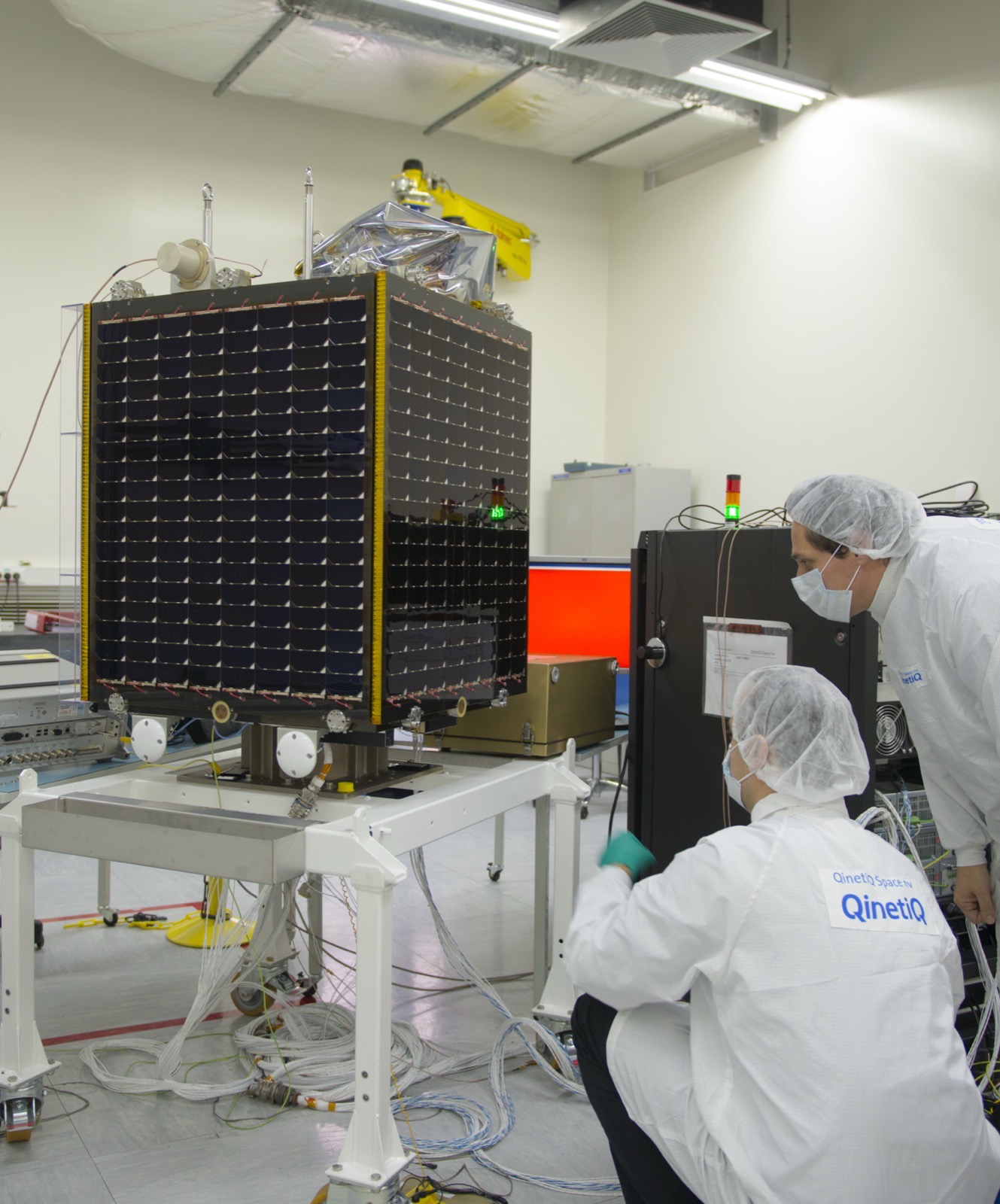
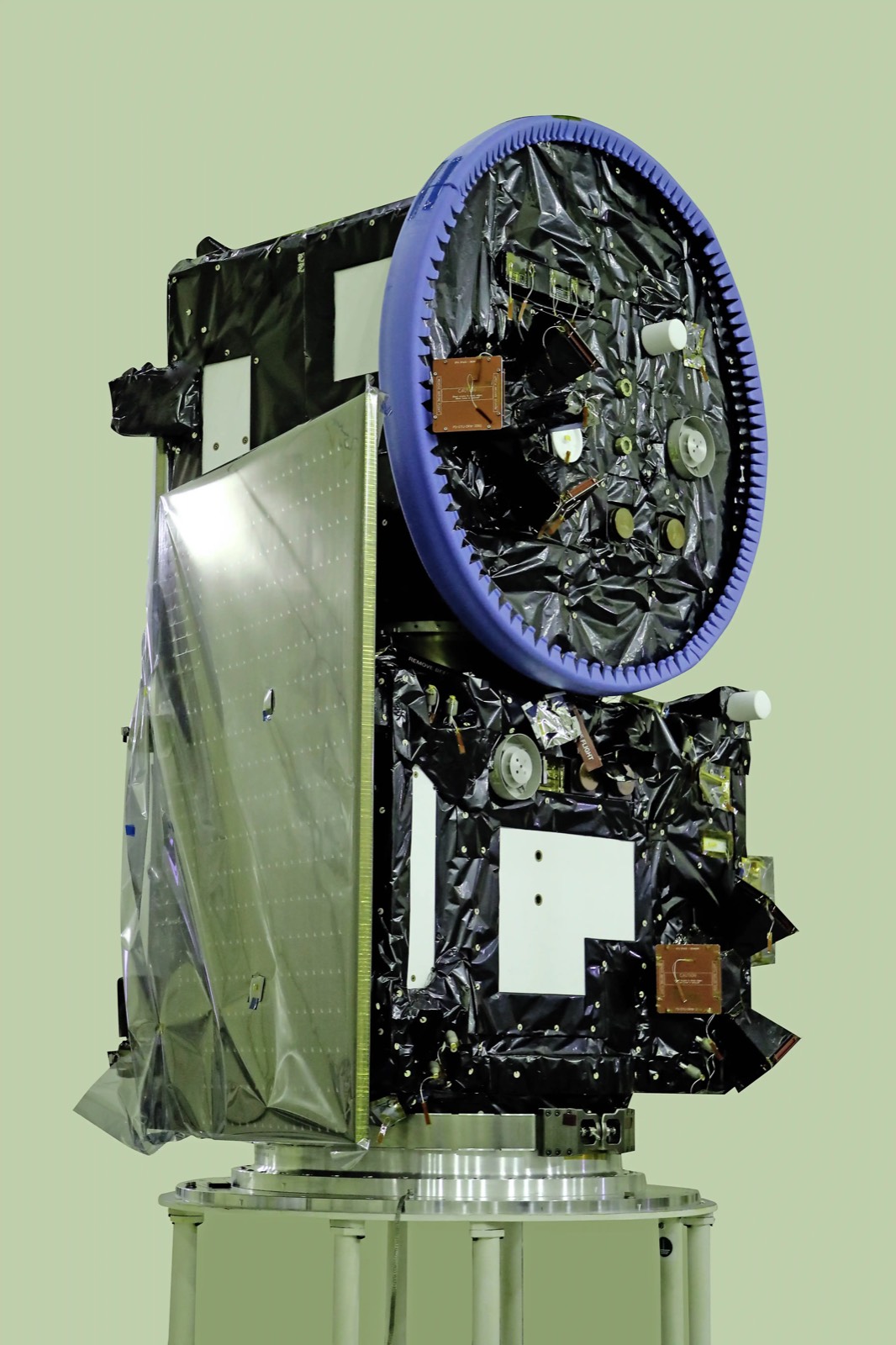
This chapter of a NASA survey, written at NASA Ames, looks at how small spacecraft are built. It covers CubeSat frames, the rails that meet the launch dispenser, booms that extend after launch, and parts made on a 3D printer. It helps a builder choose a structure type and material before design starts.
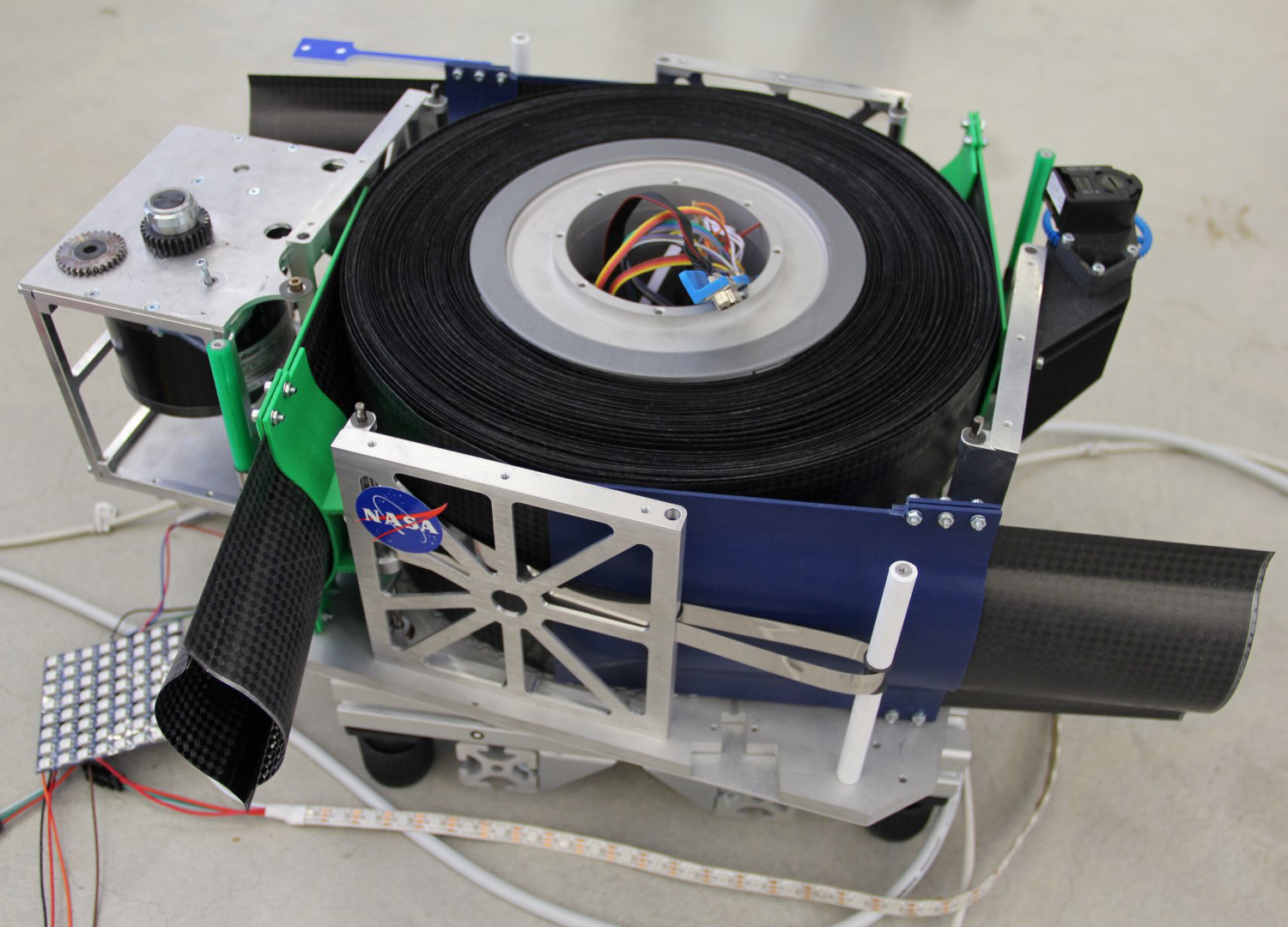
Most commercial frames are machined from aluminium alloy 6061 or 7075. NASA's own composite boom, built for the Advanced Composite Solar Sail project, weighs less than a quarter as much as metal booms. Printed plastic parts have already flown on small satellites.
Application
A NASA survey of how small spacecraft are built. It compares machined aluminium frames, 3D-printed structures and deployable booms, and is useful for choosing a structure type and material before design starts.
Photos
How it is built
Machined aluminium frames
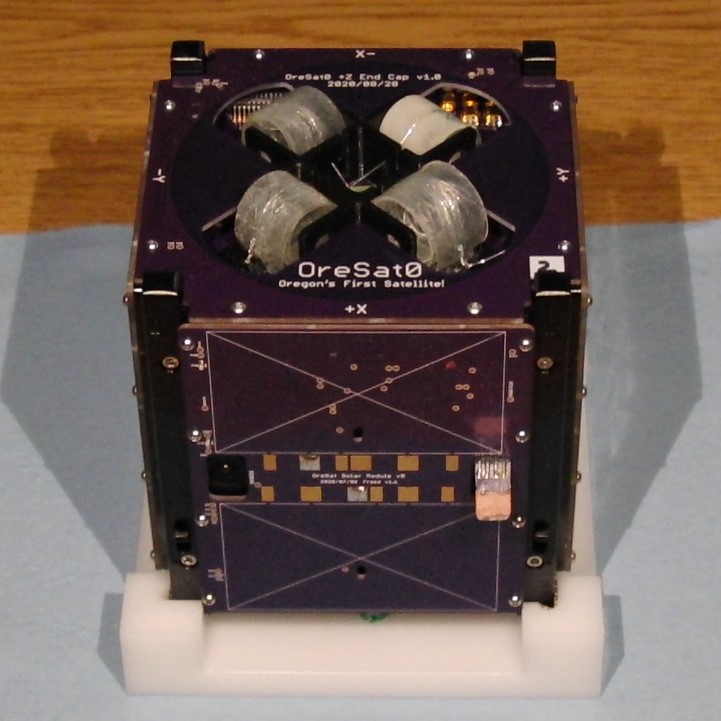
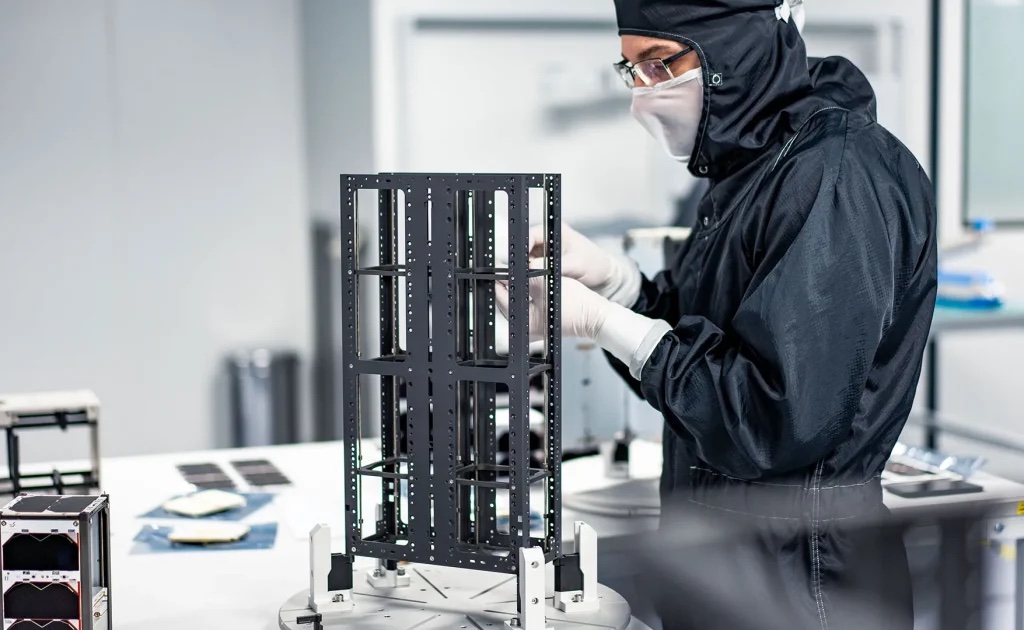
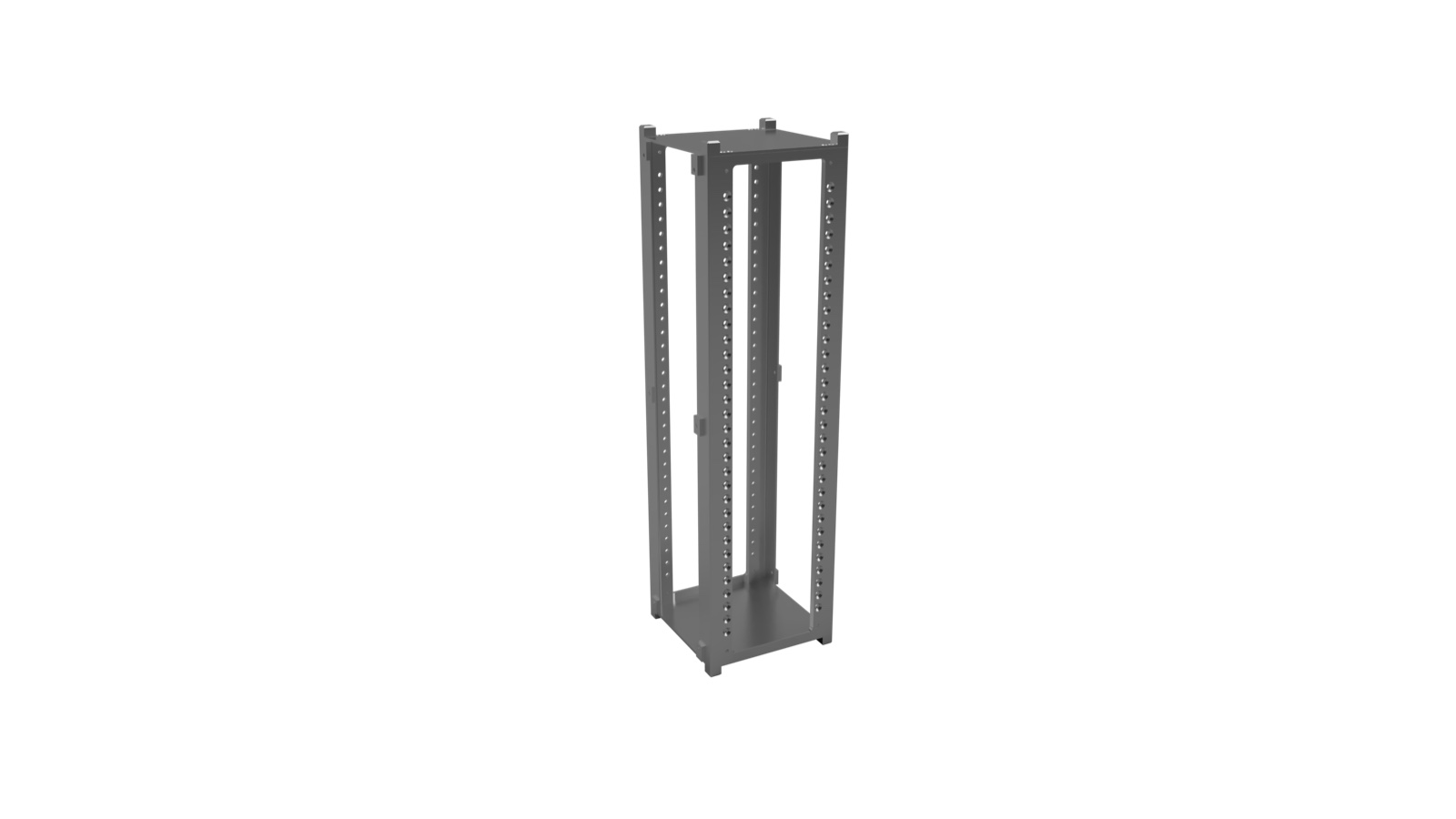
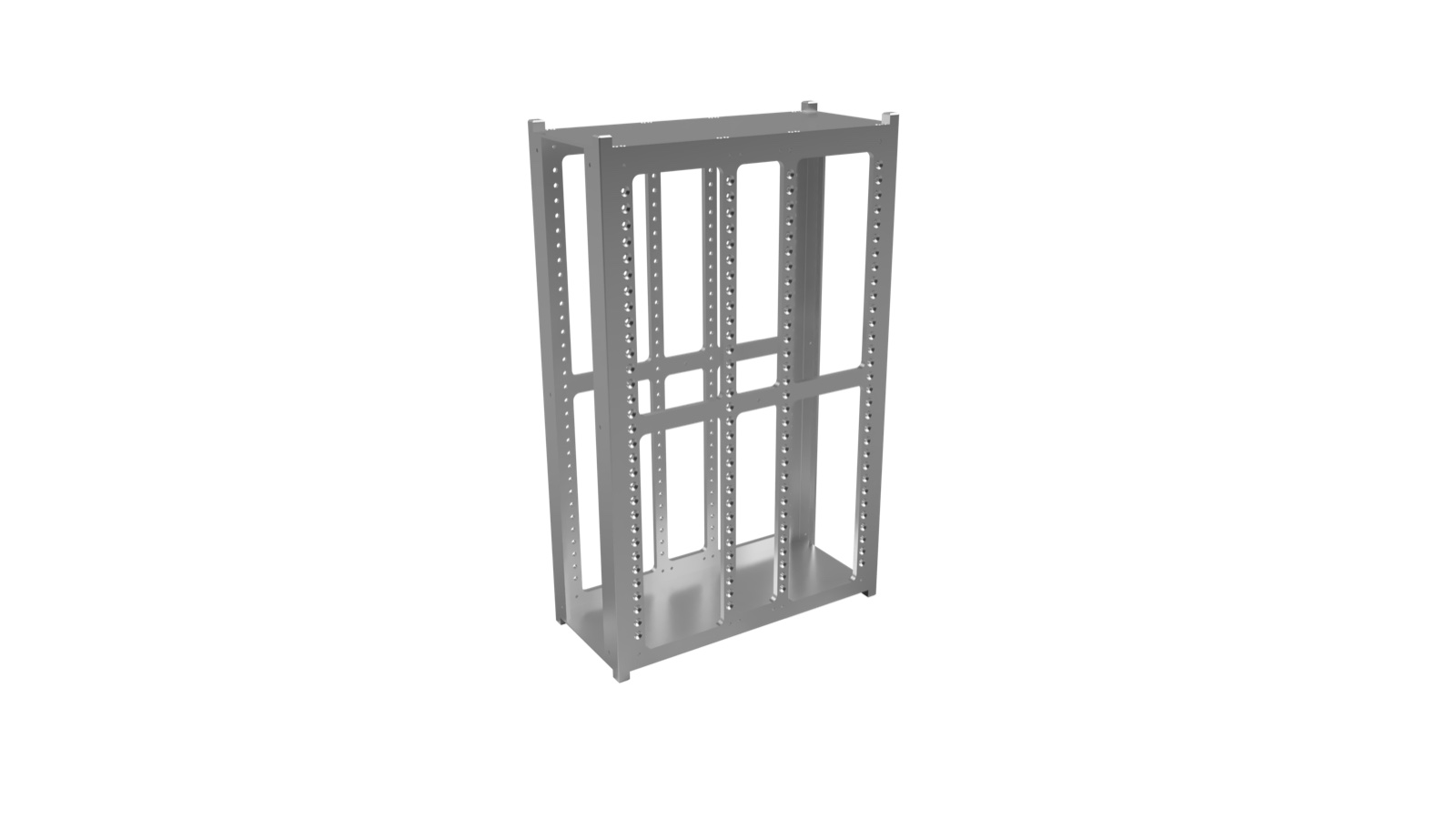
NanoAvionics makes frames from 1U to 12U in 7075 aluminium, and GomSpace's 6U frame is 7075 too. ISISPACE's 3U and Spacemind's 1U are 6061. EnduroSat's frames, 1U to 6U, come in either 6061-T651 or 7075.
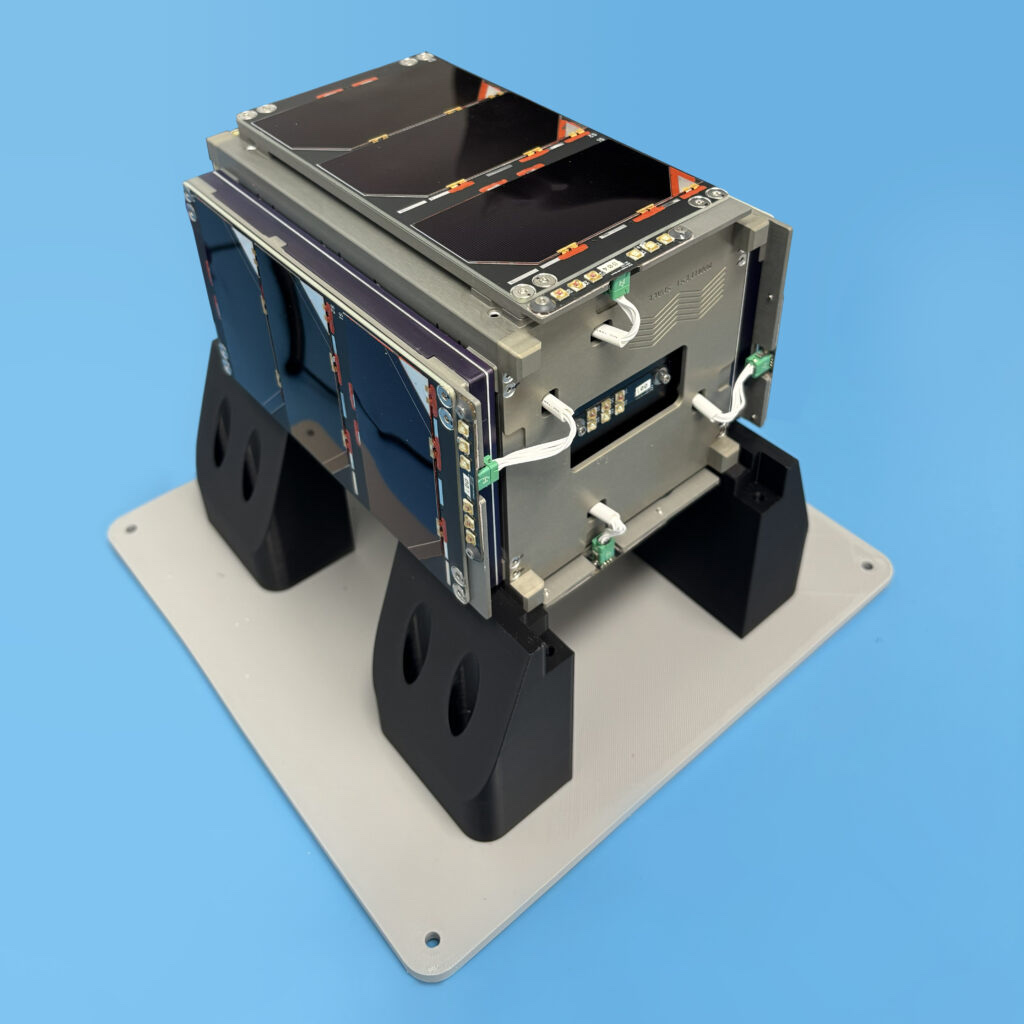
EnduroSat 3U structure
NanoAvionics modular 3U structure
ISISPACE 3U structure
GomSpace 6U structure
Spacemind 1U structure
Chassis and rails
AAC Clyde Space makes its 3U structure as a monocoque chassis, a single shell, with a mass of 0.394 kg. Pumpkin machines its kit structures from aluminium 5052-H32, with solid walls or with material cut away. Dispenser rules often call for anodised aluminium rails.
AAC Clyde Space CS 3U structure
Pumpkin CubeSat Kit structures (sub-1U to 12U SUPERNOVA)
Dispenser-compatible rails
Deployable booms
A boom is a long arm that extends once the satellite is in orbit. The chapter describes four composite booms, from CTD, Oxford Space Systems, Redwire and NASA. Redwire's come in lengths of 1 to 5 m. NASA's is 7 m long and can extend to 16.5 m.
CTD STELOC slit-tube boom
Oxford Space Systems AstroTube boom (AlSat-1N)
Redwire Roll Out Composite (ROC) boom
NASA Deployable Composite Boom (DCB) for ACS3
Release devices
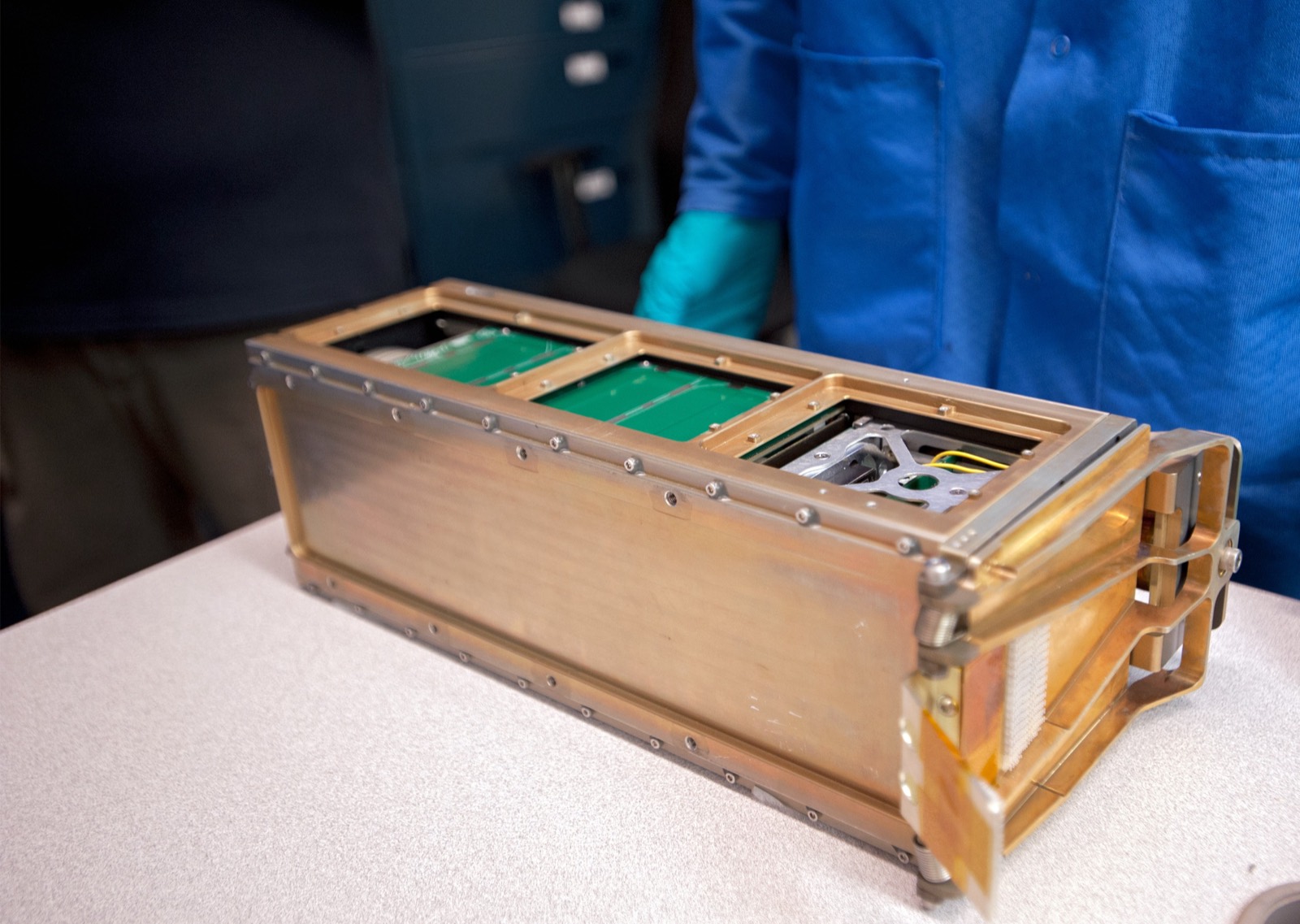
The Frangibolt from EBAD TiNi uses a cylinder of copper-aluminium-nickel shape memory alloy, a metal that changes shape when heated. The Mini Frangibolt breaks a custom notched #4 fastener by pulling it apart. The FD04 model holds 667 N and weighs 0.007 kg. The ML50 Micro Latch weighs 0.015 kg.
Frangibolt actuator cylinder
Frangibolt fastener
ML50 Micro Latch
Printed parts
3D printing has reached the main structure of some small satellites. On TechEdSat, secondary pieces were printed in Markforged Onyx, a nylon-based filament with carbon fibre. KySat-2, TANCREDO-1 and the Naval Academy's RECS robotic arms used Windform. The chapter advises against polylactic acid (PLA) in harsh conditions.
TechEdSat secondary structural pieces
KySat-2 / TANCREDO-1 printed parts
RECS robotic arms (Naval Academy)
Where the parts areNumber of parts we have listed in each group
The deployable booms from CTD, Oxford Space Systems, Redwire and NASA.
Windform
Printed parts on KySat-2 and TANCREDO-1, and the Naval Academy's RECS robotic arms.
The materials by familyHow many of the parts that name a material use each one
Other12
Aluminium4
Polymers and foams4
Carbon fibre2
How it connects to other things
NASA Ames wrote the chapter, but most of the hardware in it comes from other makers. Printed secondary pieces were flown on TechEdSat. Windform parts went into KySat-2 and TANCREDO-1. The chapter describes an AstroTube boom for the 3U AlSat-1N, and NASA's own composite boom was built for the ACS3 solar sail project.
Aluminium alloy 7075-T6. Here: EnduroSat structures (1U to 6U); EnduroSat 1U structure and more. There: EnduroSat structures (all sizes); 1U structure and more.
Aluminium alloy 6061. Here: EnduroSat 3U structure; ISISPACE 3U structure and more. There: 3U structure; 6U structure and more.
Anodized aluminium. Here: Dispenser-compatible rails. There: Hard-anodized pearl finish.
The chapter stays quiet on which fibre and resin go into the booms, and on the alloy AAC Clyde Space uses for its chassis. It names no fasteners, inserts or adhesives for any frame, and gives no mass breakdown for a whole spacecraft. It says little about thermal design or solar panels.
The detailed data
What is written above is built from these numbers and quotes. Each row links to the page it was taken from. Get all of it as JSON, or ask our MCP server.
Features
Primary structures mostly machined aluminium
AM has expanded into primary structures for small CubeSat or PocketQube buses
Dispenser rules often require anodized rails
Specifications
What
Value
1U nominal size
10 x 10 x 10 cm
EnduroSat 1U frame
100 x 100 x 114 mm, <0.1 (units as printed in table, likely kg), Al 6061 or 7075
EnduroSat 3U frame
100 x 100 x 340 mm, < 0.29, Al 6061
NanoAvionics 3U frame
100 x 100 x 340.5 mm, 0.312, Al 7075-T6
ROC boom length
1 to 5 m
NASA DCB boom length
7 m (ACS3), extensible to 16.5 m
DCB mass vs metal
less than 25 percent of metallic booms
Materials in detail
Each material named in the sources: where it is used here, which other products use it, and its key numbers when its material page exists.
The chapter names real commercial structures, booms and release mechanisms with materials, masses and sizes in tables, but gives no internal parts list for any one spacecraft.
ISO 75 / ASTM (heat deflection), ISO 179-1, ISO 527-1, ASTM D790 / ISO · column headings of the AM filament property tables (6-8 to 6-12); test methods, not tied to a named flown part
MIL-I-46058C · insulation resistance quoted for Humiseal 1B73 in the coating comparison table
GSFC-STD-7000B (GEVS) · cited in the reference list only; not tied to a part in the text read
Al 5052-H32, Al 6061-T651, Al 7075-T6 (alloy-temper designations) · frame materials; the chapter gives designations but no AMS/ASTM specification numbers
What the sources leave out
No fastener, insert, finish (beyond 'anodized' rails), or adhesive lists for any structure. Boom fibre and resin systems, ISISPACE/AAC Clyde Space alloy (Clyde), ML50 materials, Windform grade for RECS, and coating specifications are not given. Table 6-1 later rows have extraction problems (Spacemind 2U onward masses, Sputnik row). Per-part masses exist only for the frames in Table 6-1, Clyde Space chassis, AstroTube and the TiNi devices.