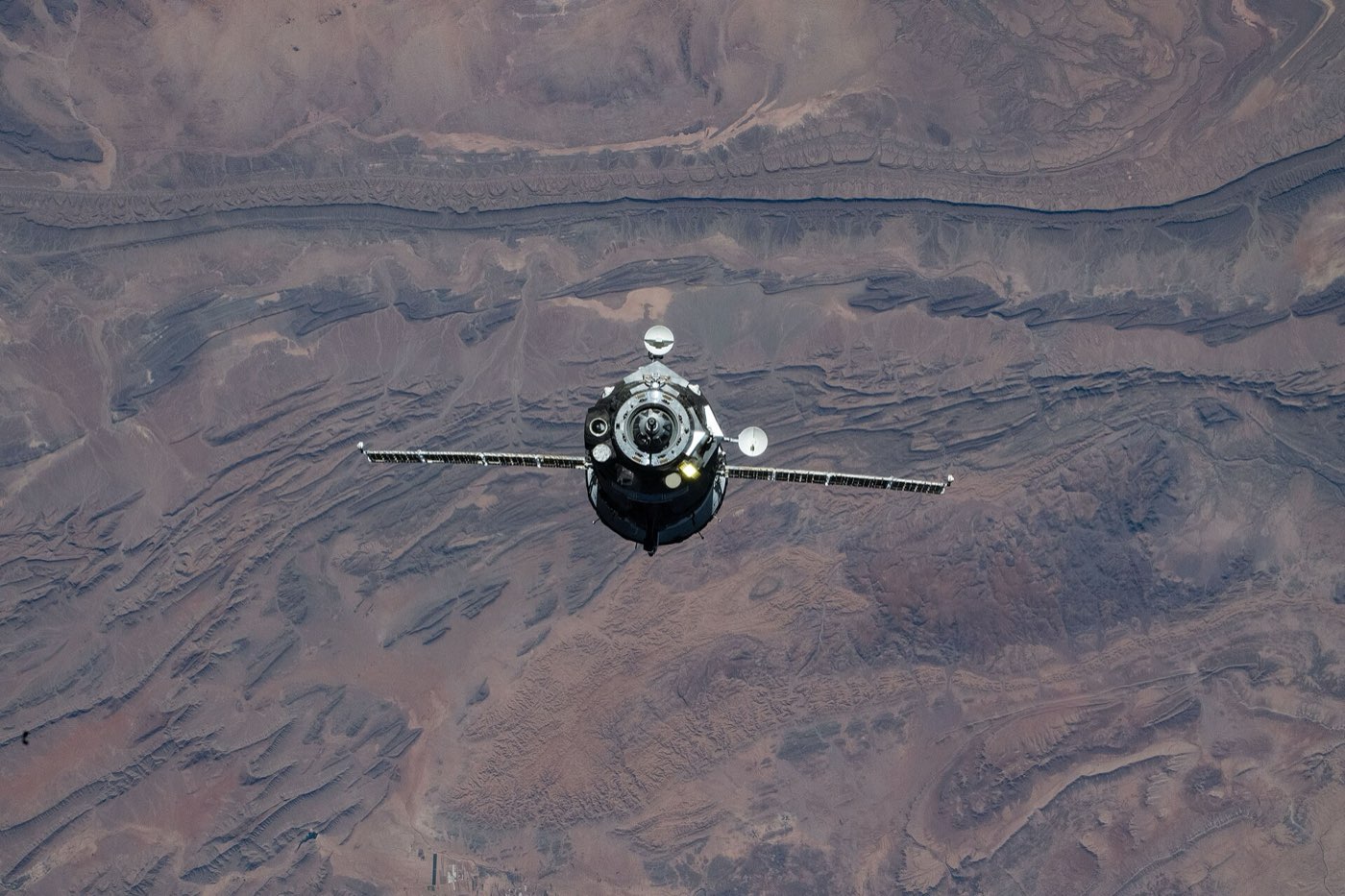
Soyuz MS-28 spacecraft approaching the ISS, seen from the front with its docking probe and two solar panels over a brown
RKK Energia

Soyuz MS

Soyuz MS is a Russian three-person spacecraft that ferries crews to and from the International Space Station.

Crewed vehicles
Product IDrkk-energia-soyuz-ms
Crew
3
Liftoff mass
7,290 kg
Descent module mass at liftoff
2,950 kg
Habitable volume
10 cubic metres
First flight
7 July 2016

In short

Soyuz MS is a Russian spacecraft that carries three crew to and from the International Space Station. It is built by RKK Energia. Only one part of it, the descent module, returns to Earth. That module comes down on a parachute, with a soft-landing engine to ease the touchdown.

The descent module's pressure shell is a 2.0 mm layer of AMg-6, an aluminium alloy. Outside it are ablative layers, materials designed to wear away as they heat up. The heat shield carries a glass-phenolic ablator 21 to 28 mm thick. The rest of the capsule, called the backshell, has a much thinner one, a material called Ftorlon.

Application

Soyuz MS carries three crew to and from the International Space Station on a Soyuz rocket. The descent module is the only part that returns to Earth, on a parachute with a soft-landing engine.

How it is built

Pressure shell and insulation

In the descent module, the pressure shell keeps the cabin air in. NASA's impact-test report gives it as 2.0 mm of AMg-6 aluminium. Between the shell and the layer that carries the ablator sits VIM, a low-density silica fibre insulation.

  • Pressure shell (2.0 mm)
  • Insulation between substrate and pressure shell

Heat shield

The heat shield has fairly thick thermal protection. Its ablator is a glass-phenolic composite, 21 to 28 mm thick, held on brackets. The instrument-service module protects the shield.

  • Heat shield ablator (21 to 28 mm)

Backshell

The backshell is the covering over the rest of the capsule. Its ablator, Ftorlon, is thin, 1.0 to 5.5 mm, and is bonded to a layer of reinforced fibreglass 2.5 to 4.0 mm thick.

  • Backshell ablator
  • Backshell substrate
Where the parts areNumber of parts we have listed in each group
  • Descent module14
  • Propulsion (KDU)10
  • Orbital (habitation) module6
  • Rendezvous and docking6
  • Descent module thermal protection5
  • Guidance, navigation and communications5
  • Launch escape system (SAS)5
  • Instrument/assembly module (PAO)4
  • Crew equipment3
  • Thermal control3

What it is made of

  • Aluminium AMg-6

    The descent module's pressure shell, which is 2.0 mm thick.

  • Glass-phenolic composite

    The ablator on the heat shield, 21 to 28 mm thick and held on brackets.

  • Ftorlon

    The thin ablator on the backshell, bonded to a fibreglass layer.

  • Reinforced fibreglass

    The backshell layer that carries the Ftorlon, 2.5 to 4.0 mm thick.

  • Silica fibre insulation

    Called VIM. A low-density insulation between the pressure shell and the layer that carries the ablator.

The materials by familyHow many of the parts that name a material use each one
  • Other5
  • Aluminium4
  • Glass fibre2
  • Polymers and foams1
  • Gold and silver1

How it connects to other things

A Soyuz rocket carries Soyuz MS into space. The instrument-service module protects the descent module's heat shield. The first Soyuz MS mission began on 7 July 2016.

Engines

  • S5.80 engine

    Main engine (SKD) of the KTDU-80 family, KB Khimmash; single pressure-fed main engine; designation documented for the KTDU-80 family, which the MS propulsion system evolves

  • DMP soft-landing motor

    Six solid motors; solid-propellant braking motors in the base of the descent module

  • SAS central solid-rocket motor

    Solid escape motor atop the fairing; motor built by the Iskra plant in Perm

  • SAS separation motor

    Separation motor of the escape system

  • SAS fairing-mounted solid motor

    Two pairs; extra escape motors on the payload fairing

Used in

  • International Space Station crew transport and lifeboat role

    Each Soyuz stays docked about six months as the crew lifeboat

Carries

  • DPO-B thruster

    Twenty-eight docking and orientation thrusters; high-thrust DPO-B thrusters in 14 pairs; the low-thrust DPO-M units of earlier versions are gone

  • SIOS thruster

    Eight hydrogen-peroxide descent reaction-control thrusters; descent-module microthrusters for roll, pitch and yaw

  • SAS attitude-control thruster

    Four rocket thrusters; four steering thrusters of the escape propulsion system

  • Sokol-KV2 launch and entry suits

    Crew pressure suits worn in the descent module

  • Kazbek-UM shock-absorbing seats (x3)

    Custom-liner crew seats in the descent module

  • Kurs-NA rendezvous system

    Automatic rendezvous radar on the MS series

Launched on

  • Soyuz-2.1a launch vehicle

    Crewed MS launches moved to the Soyuz-2.1a with Soyuz MS-16 on 9 April 2020

  • Soyuz-FG launch vehicle

    Listed with the Soyuz-2-1a as launch vehicle of the MS series

  • RD-107A engine

    First-stage strap-on booster engine of the Soyuz-2.1a; made by JSC Kuznetsov (UEC) as a pair with the RD-108A for the Soyuz-2.1a; launcher engine, not carried by the vehicle

  • RD-108A engine

    Core second-stage engine of the Soyuz-2.1a; made by JSC Kuznetsov (UEC) as a pair with the RD-107A for the Soyuz-2.1a; launcher engine, not carried by the vehicle

  • RD-0110 engine

    Third-stage engine of the Soyuz-2.1a; launcher engine, not carried by the vehicle

Replaces

  • Soyuz TMA-M

    MS replaced the TMA-M variant (Series 700)

Made or supplied by

  • KB Khimmash (Isayev design bureau)

    Integrated KDU propulsion blocks including the S5.80 main engine

  • NIIMash

    DPO-B thrusters (11D428A / 11D428A-16) of the KDU family

  • NPP Zvezda

    Sokol-KV2 suits

    1 more detail

    Kazbek couches (record for a 1980 Kazbek-U couch)

  • Iskra plant, Perm

    Solid-rocket motor of the launch escape system

  • AO NIITP (division of AO RKS)

    Developer of the Kurs-NA rendezvous system

  • Izhevsk Radio Plant

    Series production of Kurs-NA

  • AO RKS corporation

    Developer of the SZI-M flight recorder

  • NPO IT (Korolev)

    Astra-06 telemetry avionics

Operated by

  • Roscosmos

    Operates the MS for ISS crew flights

Products that use the same materials

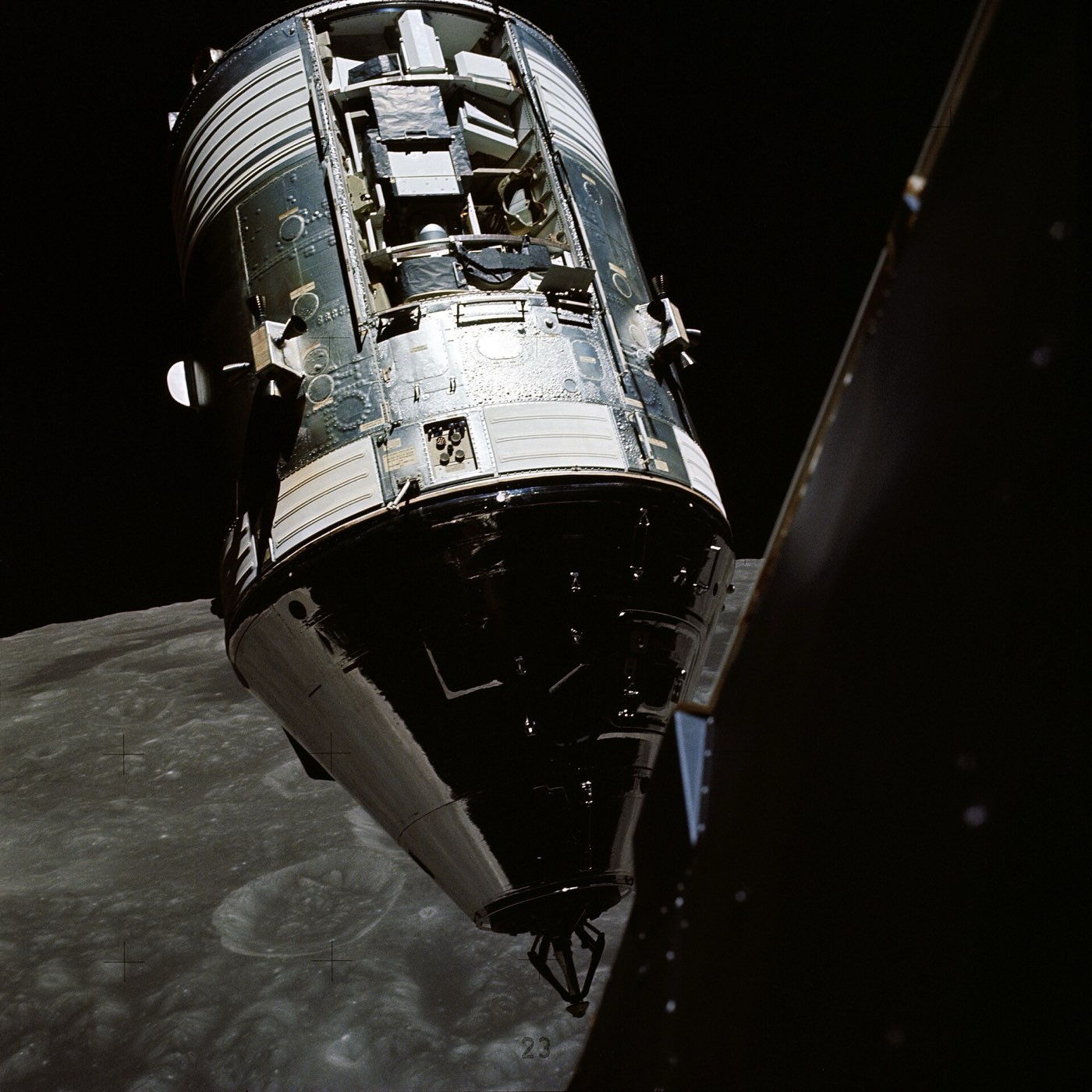
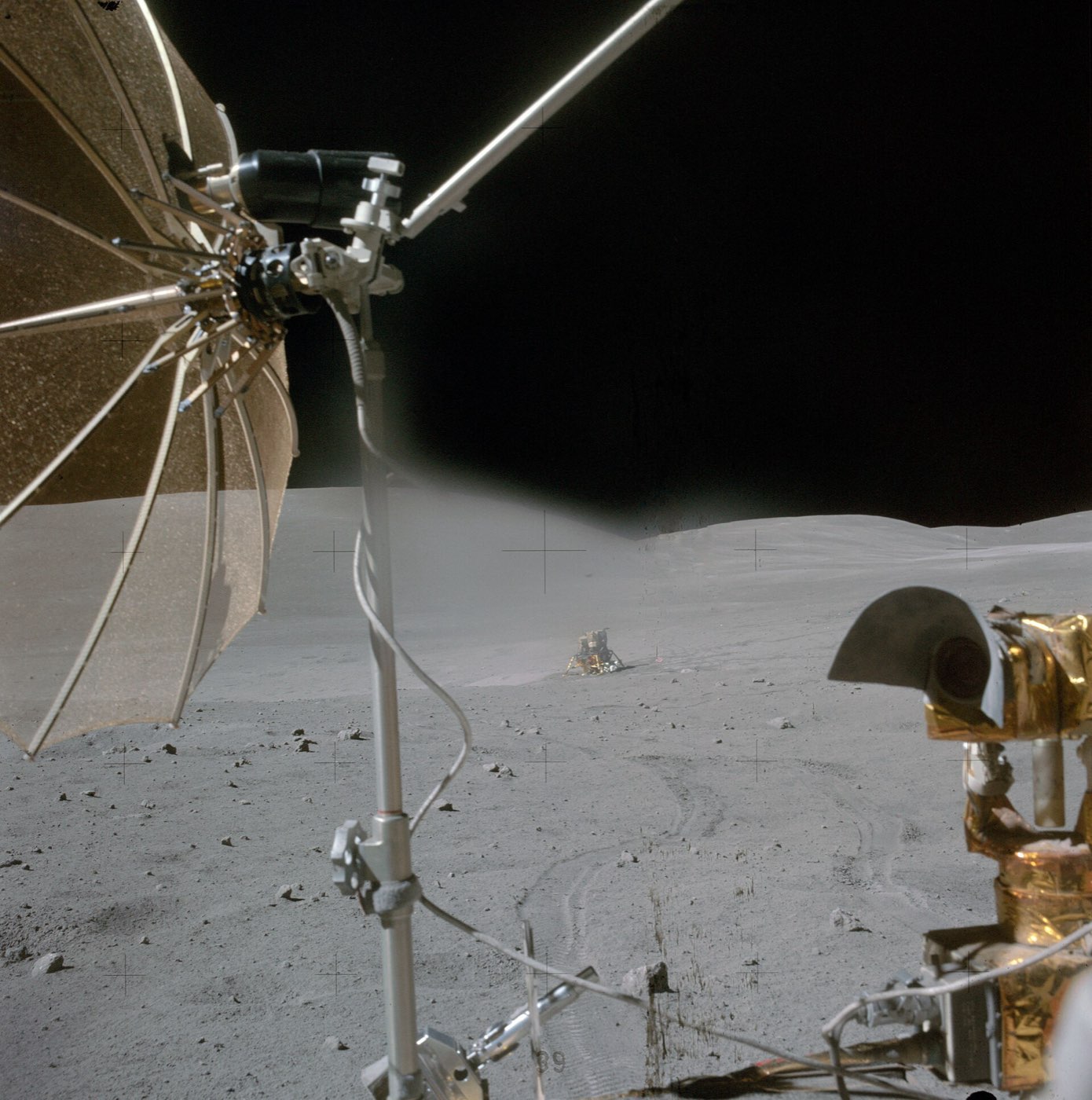
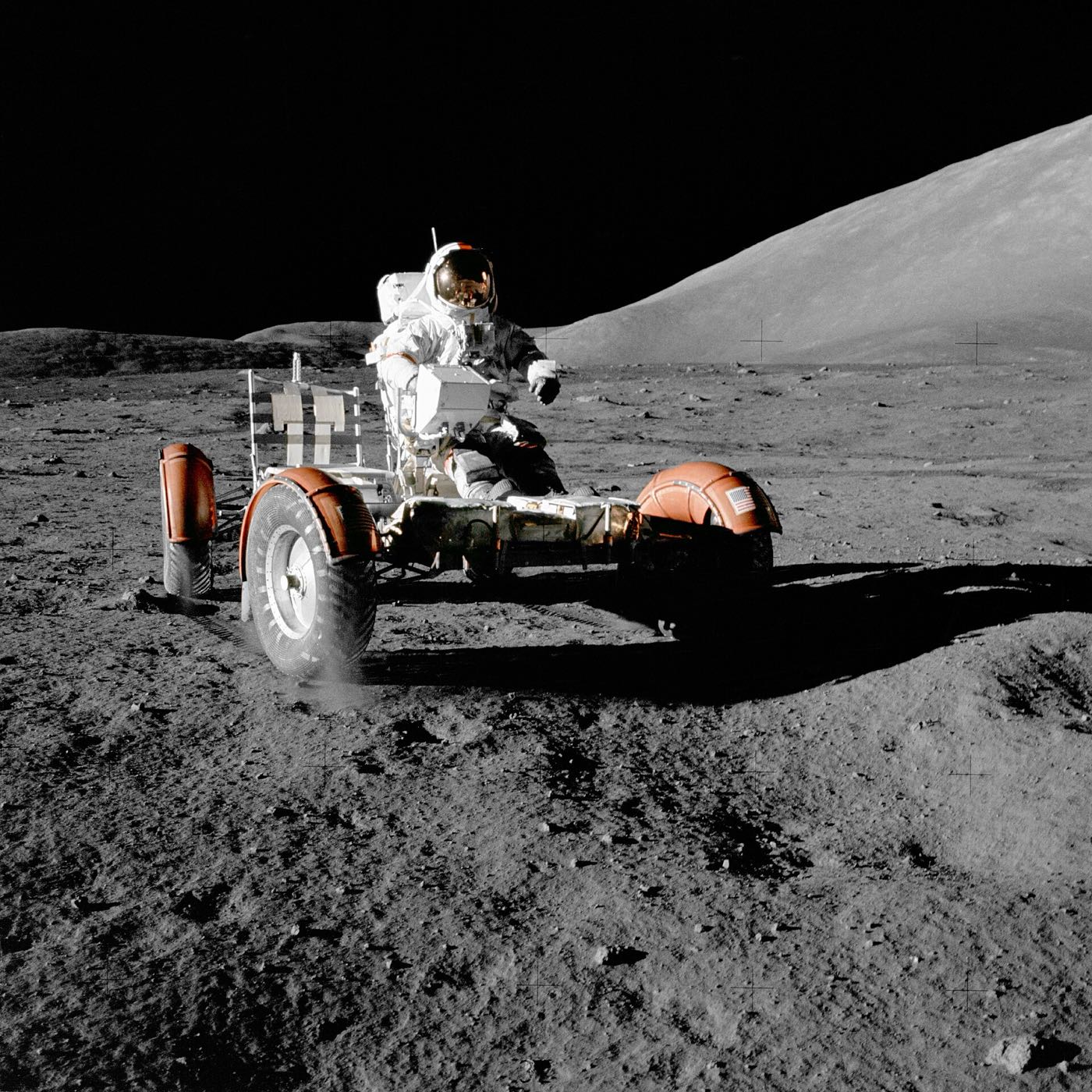
  • Apollo Lunar Roving Vehicle

    Boeing

    reinforced fiberglasssilver/zinc accumulator cells
    Where each one is used

    reinforced fiberglass. Here: Backshell substrate. There: Fenders.

    silver/zinc accumulator cells. Here: Power-storage batteries (four 906V units plus a fifth 155 Ah battery on MS). There: Batteries (2).

  • Apollo Command and Service Module

    North American Aviation

    reinforced fiberglasssilver/zinc accumulator cells
    Where each one is used

    reinforced fiberglass. Here: Backshell substrate. There: Thruster outer wrap.

    silver/zinc accumulator cells. Here: Power-storage batteries (four 906V units plus a fifth 155 Ah battery on MS). There: Silver oxide-zinc batteries in the command module (x5).

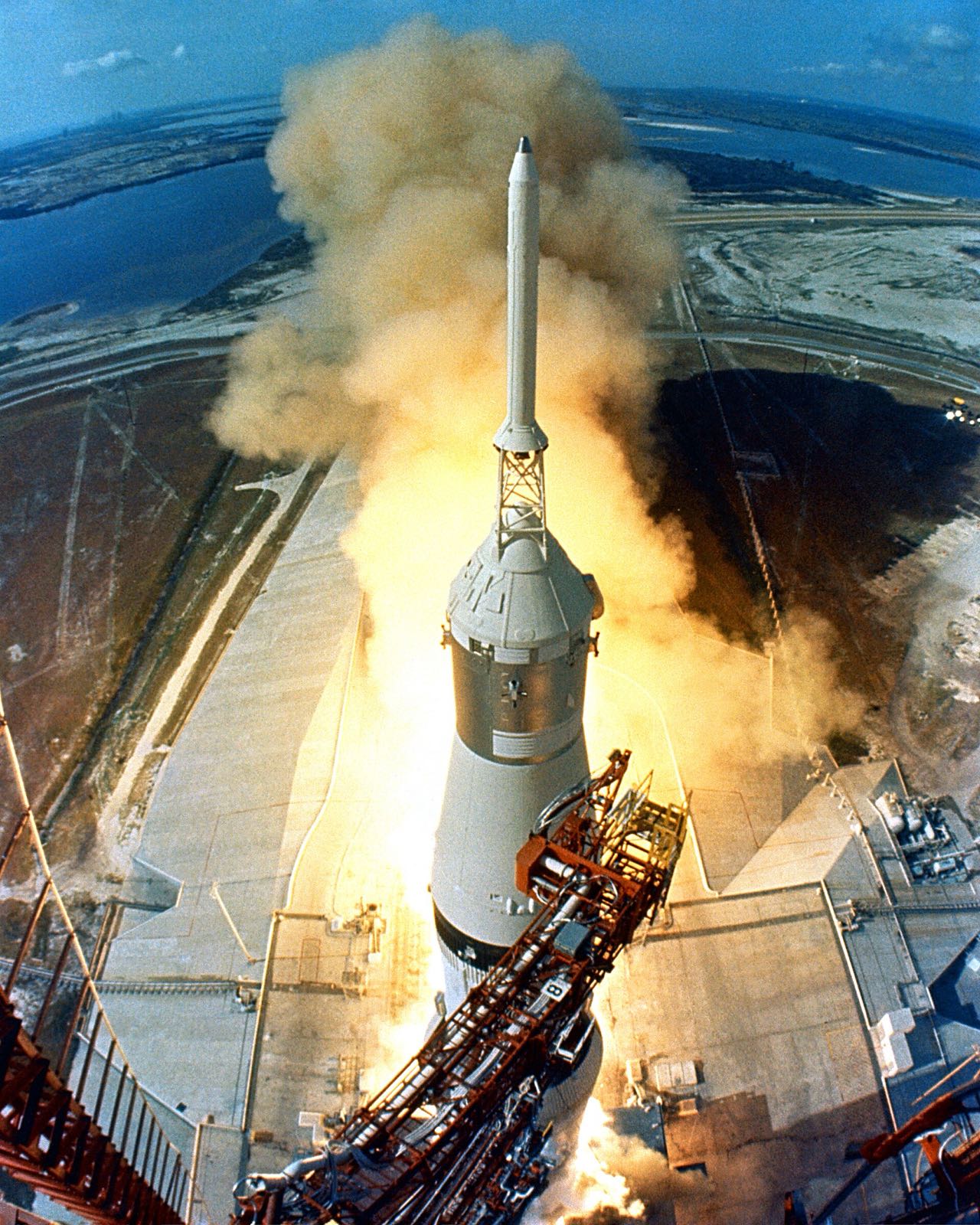
  • Saturn V

    NASA

    reinforced fiberglasssilver/zinc accumulator cells
    Where each one is used

    reinforced fiberglass. Here: Backshell substrate. There: Boost protective cover.

    silver/zinc accumulator cells. Here: Power-storage batteries (four 906V units plus a fifth 155 Ah battery on MS). There: Flight batteries (x4 zinc-silver oxide); Flight batteries (x4 zinc/silver-oxide) and more.

What we do not know

Public descriptions do not name the materials of the orbital module, instrument-service module, solar arrays, tanks, engines or windows. What is known about the descent module comes from a NASA impact-test report. The website RussianSpaceWeb says the main heat shield is titanium alloy, while NASA's report lists aluminium AMg-6 as its base layer.

The detailed data

What is written above is built from these numbers and quotes. Each row links to the page it was taken from. Get all of it as JSON, or ask our MCP server.

Features

  • Descent module is the returning capsule, covered in ablative thermal protection
  • Heat shield is thick and protected by the instrument-service module

Specifications

WhatValue
Liftoff mass7,290 kg
Descent module liftoff mass2,950 kg
Crew3
Habitable volume10 cubic metres
First flight7 July 2016
Deliverable cargo massUp to 170 kg
Returnable cargo massUp to 60 kg
Disposable cargo massUp to 170 kg
Habitable volume in the descent module4 m3
Autonomous flight durationUp to 5 days
Flight duration with the stationUp to 200 days
Extended docked durationUp to one year in the 2020s
G-loads during nominal descentUp to 6 g
Landing accuracy in automated aerodynamic mode (spacecraft page)20 km from the landing-zone center
Landing accuracy in automated aerodynamic mode (landing page)28 km, probability 0.9997
Length7.2 m
Diameter2.7 m
Time to the stationSix hours or two days depending on the mission profile
Re-entry angle1.35 degrees to the local horizon at about 100 km
Touchdown velocityLess than 2 m/s
Expected power consumption of Soyuz TMA-M (c. 2010 estimate)As much as 14.2 A
Last docking with the older Kurs-A systemSoyuz TMA-20M at the ISS, 19 March 2016
Landing areas13 flat, open landing areas in Kazakhstan
Re-entry communications blackoutAbout 5 min 40 s in the plasma
Soyuz-2-1a integrated designation371KK35

Materials in detail

Each material named in the sources: where it is used here, which other products use it, and its key numbers when its material page exists.

  • aluminum AMg-6

    aluminium-amg-6

    Used in 2 partsPressure shell (2.0 mm) · Heat shield substrate (3.5 mm)

    Material page coming soon
  • Multilayer insulation (MLI) blanket, aluminized Mylar and Kapton

    Used in 2 partsMulti-layer insulation (test article representing thin backshell TPS) · Screen-vacuum thermal insulation (EVTI) and passive thermal control aids

    Radiative shielding
    0.03 typical, 0.05 maximum
    Temperature under heating
    110 °C at 15 min
    Continuous temperature range
    93 °C (Mylar) and 288 °C (Kapton)
  • aluminium alloy (grade not stated)

    aluminium-alloy-grade-unstated

    Used in 1 partInstrument section (PO) pressurized shell (aluminium alloy)

    Material page coming soon
  • aluminium/magnesium alloy (grade not stated)

    aluminium-magnesium-alloy-grade-unstated

    Used in 1 partOrbital module body (aluminium/magnesium alloy shell)

    Material page coming soon
  • Ftorlon

    ftorlon

    Used in 1 partBackshell ablator

    Material page coming soon
  • glass-phenolic composite

    glass-phenolic-ablator

    Used in 1 partHeat shield ablator (21 to 28 mm)

    Material page coming soon
  • lavsan fabric

    lavsan-fabric

    Used in 1 partSokol structural shell (lavsan fabric)

    Material page coming soon
  • low-density silica fibrous insulation (VIM)

    silica-fibre-insulation

    Used in 1 partInsulation between substrate and pressure shell

    Material page coming soon
  • reinforced fiberglass

    fiberglass

    Used in 1 partBackshell substrate

    Material page coming soon
  • rubberized capron fabric (rubberized knitted fabric at the joints)

    rubberized-capron-fabric

    Used in 1 partSokol pressure-tight envelope (rubberized capron fabric)

    Material page coming soon
  • silver/zinc accumulator cells (electrolyte not stated)

    silver-zinc-battery

    Used in 1 partPower-storage batteries (four 906V units plus a fifth 155 Ah battery on MS)

    Material page coming soon

Every part we have

The descent module shell and thermal protection layers have stated materials from a NASA report; the orbital and service modules do not. Components, suppliers and links were added from public sources. A material is left blank where no source states it.

Material IDs

aluminium-amg-6glass-phenolic-ablatorftorlonfiberglasssilica-fibre-insulationmultilayer-insulation-mlialuminium-magnesium-alloy-grade-unstatedrubberized-capron-fabriclavsan-fabricaluminium-alloy-grade-unstatedsilver-zinc-battery
Descent module structure2
PartMaterialFinish and standardMade by
Pressure shell (2.0 mm)“2.0mm thick aluminum AMG-6 pressure shell” aluminum AMg-6aluminium-amg-6 — —
Heat shield substrate (3.5 mm)“3.5mm thick aluminum AMg-6 substrate” aluminum AMg-6aluminium-amg-6 — —
Descent module thermal protection5
PartMaterialFinish and standardMade by
Heat shield ablator (21 to 28 mm)“21mm to 28mm thick ablator (glass-phenolic composite)” glass-phenolic compositeglass-phenolic-ablator — —
Backshell ablator“The backshell TPS consists of an ablator (Ftorlon) bonded to a fiberglass substrate.” Ftorlonftorlon — —
Backshell substrate“The backshell substrate is 2.5mm to 4.0mm thick reinforced fiberglass” reinforced fiberglassfiberglass — —
Insulation between substrate and pressure shell“VIM (low density silica fibrous insulation)” low-density silica fibrous insulation (VIM)silica-fibre-insulation — —
Multi-layer insulation (test article representing thin backshell TPS)“50 layers of multi-layer insulation” multi-layer insulation (films not stated)multilayer-insulation-mli — Hypervelocity impact test article, not a flight drawing
Orbital (habitation) module6
PartMaterialFinish and standardMade by
Orbital (habitation) module, BO - spherical pressure compartmentForward compartment with living quarters and the docking equipment; discarded before re-entry“The orbital module (the "tip" of the spacecraft) carries the equipment necessary to dock with the International Space Station.” Not said — —
Orbital module body (aluminium/magnesium alloy shell)Pressure shell of the spherical habitation compartment“Module body is made of an Aluminium/Magnesium alloy” aluminium/magnesium alloy (grade not stated)aluminium-magnesium-alloy-grade-unstated — —
Additional anti-meteoroid shielding (DPM) on the orbital moduleExtra shield layer for the thin habitation-module walls, added at NASA request“Satisfying a long-standing request from NASA, RKK Energia introduced additional shielding to protect the thin walls of the habitation module” Not said — —
Forward docking/transfer hatch (800 mm)Crew passage to the station through the docking assembly at the top of the orbital module“hatch of 800 mm in diameter for the crew transfer to the station” Not said — —
Crew ingress hatch (660 mm, lower hemisphere of the orbital module)Pre-launch crew entry“another hatch of 660 mm in diameter for the crew pre-launch ingress” Not said — —
Observation cupola / windowLets a crew member watch a manual docking approach“On the upper semisphere the cupola/window is installed to provide for the manual approach monitoring.” Not said — —
Rendezvous and docking6
PartMaterialFinish and standardMade by
Docking mechanism (rod/cone active probe with head and four latches)Takes the first mechanical link and absorbs docking impact energy“In the forward part of the CM Rod there are four Latches.” Not said — —
Backup electric motors in the docking mechanism (SSVP)Adds redundancy to berthing and docking-port pressurization“Introduction of backup electric motors into the docking mechanism.” Not said — —
Interface pressurization mechanism (eight hook-lock mechanisms, two concentric rubber seals)Second mechanical link: rigid, sealed connection of spacecraft and station“Each lock mechanism has two operational hooks.” Not said — —
Kurs-NA automatic rendezvous radar (avionics container with two duplicate instrument sets)Radar measurements of range, velocity, orientation and deviation angles to the station for automatic docking“The Kurs-NA hardware includes an avionics container with a pair of mutually duplicating sets of four instruments.” Not said — Supplier: AO NIITP (division of AO RKS), series production at Izhevsk Radio Plant
AO-753A fixed Kurs-NA antenna arrayReplaced the rotating 2AO-VKA antenna and the three AKR-VKA antennas“the newly developed AO-753A fixed antenna array replaced the complex rotating 2AO-VKA antenna and a trio of AKR-VKA antennas” Not said — —
SFOK LED docking light systemIlluminates the target during docking; replaced halogen SMI-4 lights“the MS series received a new LED-based lighting system, SFOK” Not said — —
Descent module14
PartMaterialFinish and standardMade by
Descent-module top hatch (to orbital module and for post-landing egress)Crew transfer to the orbital module and exit after landing“The hatch on top of the CA structure is for the crew transfer to the БО and for post-landing crew egress.” Not said — —
Descent-module windows (two) with jettisonable external coversViewing ports; outer covers are dropped before landing“There are two windows in the CA structure.” Not said — —
Bottom heat shield separation (jettison before landing)Drops the heat shield to expose the soft-landing motors, light beacon and altimeter“the bottom heat shield of the capsule is jettisoned, revealing six solid-propellant motors” Not said — —
Kazbek-UM shock-absorbing crew seats (x3) with custom-fitted linersCrew couches that cushion landing; shock absorber is armed before touchdown“individual crew seats, known as Kazbek (Kazbek-UM on Soyuz TMA) equipped with custom-fitted liners for each crew member” Not said — Supplier: NPP Zvezda (named for a 1980 Kazbek-U couch in a museum record)
Pilot parachutes (two canopies, 0.62 m2 and 4.5 m2)First stage of the parachute system; pull out the drogue parachute“two pilot parachutes with areas of 0.62 square meters and 4.5 square meters deploy” Not said — —
Drogue (braking) parachute, 24 m2Slows the capsule from 230 to 80 m/s before the main parachute opens“The drogue parachute slows down the capsule from a speed of 230 meters per second to 80 meters per second” Not said — —
Main parachute, 1,000 m2Brings the capsule down to a stable descent of about 6 to 7 m/s“the main parachute with an area of 1,000 square meters opens” Not said — —
Reserve (backup) parachute systemSeparate-compartment backup canopy that deploys if the main parachute fails“a backup parachute, half the size of the main one, is available to deploy from a separate compartment as needed” Not said — —
Soft-landing engines, DMP (x6, solid propellant)Fire about 0.7 m above ground to cut touchdown speed to between 0 and 3 m/s“The six ДМП thrusters are located at the CA bottom.” Not said — —
SIOS descent reaction-control microthrusters (x8, hydrogen peroxide)Roll, pitch and yaw control of the capsule from module separation to landing“the valves of the SIOS landing control thrusters open to drop pressurization gas and drain remaining hydrogen peroxide propellant” Not said — —
Kaktus-2V gamma-ray altimeter and landing light beaconCommands soft-landing engine firing just above the ground“revealing six solid-propellant motors, a blinking light beacon and the Kaktus-2V ("cactus") gamma-ray altimeter” Not said — —
Post-landing homing radios and antennas (Rassvet-M, ABM-279, ABM-281)Signal rescue forces from the parachute lines and after touchdown“The Rassvet-M transmitter begins sending signals via an antenna in the parachute lines.” Not said — —
GPS/GLONASS receiver on the descent-module hatch and Kospas-Sarsat transmitterFixes the capsule position during parachute descent and after landing for rescue teams“A special GPS receiver was placed on the hatch of the descent module” Not said — —
SZI-M "black box" flight data recorder (under a pilot seat)Records flight data, crew physiology and voice during descent and landing“The reusable SZI-M system consists of two memory units and the central UN-M data recorder enclosed into a special shock-absorbent and thermal-protection case” Not said — Supplier: AO RKS corporation, Moscow (developer)
Crew equipment3
PartMaterialFinish and standardMade by
Sokol launch and entry suits (x3)Pressure suits worn on launch, docking and descent in case of cabin depressurization“all crew members, dressed in Sokol launch and entry suits, take seats inside the Descent Module” Not said — Supplier: NPP Zvezda
Sokol pressure-tight envelope (rubberized capron fabric)Inner airtight layer of the Sokol-KV2 suit“is made of rubberized capron fabric and in the joint areas - of rubberized knitted fabric” rubberized capron fabric (rubberized knitted fabric at the joints)rubberized-capron-fabric — —
Sokol structural shell (lavsan fabric)Outer layer that holds the suit shape under pressure“The shell is made of lavsan fabric” lavsan fabriclavsan-fabric — —
Instrument/assembly module (PAO)4
PartMaterialFinish and standardMade by
Transfer section (PKhO) trussTruss linking the descent module to the instrument section; carries oxygen tanks and thruster clusters“The ПхО Module is a truss structure which is designed to link the СА with the ПО Module.” Not said — —
Instrument section (PO) pressurized shell (aluminium alloy)Neutral-gas-filled cylinder holding the instrument rack“Module body is cylinder shaped with spherical bottoms and is made of Aluminium alloy” aluminium alloy (grade not stated)aluminium-alloy-grade-unstated — —
Aggregate section (AO) with main-engine thermal coverUnpressurized cylinder housing the main engine, propellant, batteries and thermal-control assemblies“The AO Module body is cylinder shaped and has a thermal protective cover at one end for the main engine.” Not said — —
Oxygen pressure tanks in the transfer sectionOxygen stowage for the atmosphere revitalization system during orbital flight“the Atmosphere Revitalization System oxygen pressure tanks are mounted.” Not said — —
Propulsion (KDU)10
PartMaterialFinish and standardMade by
KDU integrated propulsion system (one main engine plus 28 DPO-B thrusters, two propellant loops)One bipropellant system for orbit correction, de-orbit, attitude control and docking“were rearranged on Soyuz-MS to provide full redundancy between the two independent propellant manifold loops” Not said — Supplier: KB Khimmash (Isayev design bureau)
Main engine (SKD; S5.80 in the KTDU-80 family), pressure-fed N2O4/UDMHOrbit correction and the de-orbit braking burn, fired tail-first for under five minutes“The main engine of the Soyuz-MS-01 spacecraft under a protective cover.” Not said — Supplier: KB Khimmash
Main-engine nozzle coverProtective cover that opens before the braking burn“the engine cover opens and the main engine fires against the direction of the flight for less than five minutes” Not said — —
Main-engine gimbal (+/-5 degrees pitch and yaw, electric motors)Thrust-vector control in pitch and yaw during engine burns“gimbal-mounted and is capable of being deflected by electric motors within -5° up to +5° for thrust vector control” Not said — —
DPO-B high-thrust docking and orientation thrusters (x28, 14 pairs)Attitude control, approach and docking, and backup de-orbit burn; each pair is fed by different manifolds“With 14 pairs of DPO engines available with each thruster in each pair connected to a different manifold” Not said — Supplier: NIIMash (maker of the 11D428A and 11D428A-16 thrusters in earlier KDU versions; MS model not stated)
Transfer-section DPO-B clusters (two groups of four, two groups of six)Forward attitude and approach thrusters on the transfer section“sur le PKhO en deux groupes de quatre et deux groupes de six” Not said — —
Aft DPO-B thrusters (eight, four pairs, around the main engine)Doubled aft group that gives extra de-orbit backup if the main engine fails“the aft section of the spacecraft received eight (four pairs) of high-thrust engines instead of four” Not said — —
KDU propellant tanks (two fuel, two oxidizer; about 880 kg total)Pressure-fed storage in two independent sections“Propulsion system includes 4 spherical tanks for a total of 880 kg propellant.” Not said — —
Helium pressurant bottles (x4, two circuits)Hold high-pressure helium to pressurize the propellant tanks and actuate main-engine valves“contenu dans quatre ballons (ChB1 et ChB2 sur la voie 1, ChB3 et ChB4 sur la voie 2)” Not said — —
DPO avionics unit (Blok Avtomatiki) and EFIR propellant-consumption signal generatorControl electronics changed for the new thruster layout and for reliable propellant counting“the electronic generator of propellant consumption signals, known as EFIR, was modified to eliminate possible false counting” Not said — —
Power2
PartMaterialFinish and standardMade by
Solar arrays (two wings, fixed, larger on MS)Primary power source; wings fold around the instrument/assembly module for launch“an overall area for the placement of electricity-producing photovoltaic cells was increased by 1.1 square meters” Not said — —
Power-storage batteries (four 906V units plus a fifth 155 Ah battery on MS)Buffer and backup batteries in the aggregate compartment“the spacecraft was upgraded with an extra (fifth) power-storage battery, known as 906V, with a capacity of 155 ampere-hour” silver/zinc accumulator cells (electrolyte not stated)silver-zinc-battery — —
Thermal control3
PartMaterialFinish and standardMade by
Active thermal control system (hydraulic loops with electric pump units)Keeps cabins and equipment in temperature limits and dumps heat to the radiator“The CTP is a hydraulic system which includes several hydraulic loops” Not said — —
External radiator on the aggregate sectionDumps waste heat to space“the exterior radiator for waste heat dumping into space is mounted” Not said — —
Screen-vacuum thermal insulation (EVTI) and passive thermal control aidsPassive insulation, heat sinks and surface treatment to limit uncontrolled heat exchange“Shield Vacuum Thermal Insulation), heat sinks, thermal resistors and the special treatment of the spacecraft outer surfaces” screen-vacuum thermal insulation (EVTI, a multilayer insulation; films not stated)multilayer-insulation-mli — —
Life support1
PartMaterialFinish and standardMade by
Atmosphere purification units with fans and replaceable cartridgesRemoves CO2 and harmful trace gases from the cabin air“Unit Purpose is to delete CO2 and harmfull elements generated by crew human physiology and equipment operation from the module atmosphere” Not said — —
Guidance, navigation and communications5
PartMaterialFinish and standardMade by
ASN-K satellite navigation equipment (GPS and GLONASS, four antennas)Autonomous orbit and attitude determination replacing ground-station tracking“According to RKK Energia, which developed the system, the ASN-K consists of four antennas, which are mathematically linked into a single virtual system” Not said — Supplier: RKK Energia (developer)
EKTS unified command and telemetry system (S-band transceiver, digital processor, phased array)Command and telemetry link to ground and via Luch relay satellites“The EKTS hardware aboard the spacecraft includes an S-band receiver-transmitter system and a digital processing unit.” Not said — —
SUDN motion control and navigation system (strapdown inertial navigation, digital computers)Controls attitude, maneuvers and descent; includes the new BDUS-3A rate sensors and BURK backup-loop unit“using a strapdown inertial navigation system and implementing all the control procedures by means of the Onboard Digital Computer Complex” Not said — —
BIUS digital descent-control unit (with BASIO-S landing automation)Digital replacement of the analog controlled-descent system, certified on Soyuz MS-14“The older analog descent control system was now completely replaced with a digital equivalent based on the instrument known in Russian as BIUS” Not said — —
Astra-06 telemetry unit, structural sensors and dedicated antennaFast telemetry of ascent and separation events“The new Astra-06 avionics unit, developed at NPO IT in Korolev” Not said — Supplier: NPO IT, Korolev (part of AO RKS)
Separation and re-entry sequencing1
PartMaterialFinish and standardMade by
Module separation system (pyro-locks, spring pushers, quadruple command backup)Splits the orbital and instrument modules from the descent module before re-entry“there is a quadruple backup system” Not said — —
Launch escape system (SAS)5
PartMaterialFinish and standardMade by
SAS launch escape system (escape tower on the payload fairing)Pulls the orbital and descent modules away from a failing rocket“the Soyuz-MS variant needed an upgrade of the Emergency Escape System, SAS, to get rid of obsolete components” Not said — —
SAS central solid-rocket motor (single two-chamber engine)Main escape motor that lifts the crew modules clear for a parachute landing“Two core engines -- central and add-on engine -- were replaced with a single two-chamber engine” Not said — Supplier: Iskra plant, Perm (SAS solid motor)
SAS attitude-control rocket thrusters (x4)Execute the preset escape trajectory of the crew modules after a failure at or near the launch site“Four Управляющие ракетные двигатели (УРД) (Attitude Control Rocket Thrusters)” Not said — —
SAS separation motorSlides the descent module out of the fairing; also separates the escape tower in a nominal flight“a separation motor would fire, allowing the capsule with the crew to slide away from the bottom of the payload fairing” Not said — —
Fairing-mounted escape motors (two pairs of solid motors) and fairing-separation motorsCover the gap between jettison of the main escape motor and fairing separation“two pairs of solid motors were placed on the fairing” Not said — —

What the sources leave out

Missing: orbital module and instrument-service module structure, tank, engine, solar array and window materials; standards. More detail: Not published in any source found: suppliers and materials for the solar array cells and substrate, battery maker, window glass and seals, hatch seals, propellant tank and helium bottle materials (only metal diaphragms are mentioned), the SSVP docking mechanism maker, parachute canopies and their maker, seat structure, radiator panels, flight computers, wiring. RussianSpaceWeb keeps the MS technical guides for the orbital module, descent module and instrument/aggregate sections behind insider-content walls, so those pages were not readable. TM-era material: several rows rest on documents describing the architecture that the MS inherits, mainly the 1999 Soyuz Crew Operations Manual (SoyCOM; hatch sizes, module masses, thermal loops, SAS thruster list, battery chemistry, suit layers), the ESA page on the TMA series and kosmonavtika.com (thruster history); where a number is TM or TMA-era the label says so. Propulsion: the 28 DPO-B layout (14 pairs, eight aft, groups of four and six on the transfer section) is stated for the MS by RussianSpaceWeb and kosmonavtika.com. The S5.80 designation and the 11D428A-16 DPO-B model are documented for KTDU-80 (Soyuz TM to TMA-M); no source repeats them for the MS, which sources only call the main engine (SKD), so the MS rows are worded accordingly. The DPO-M low-thrust thrusters named in the task hint were removed on the MS and are not listed as carried. S5.80 thrust is given three ways because sources disagree: 2.95 kN (Wikipedia), 300 kgf (kosmonavtika.com table) and 6.19 kN vacuum (Encyclopedia Astronautica). No DPO-B thrust figure with a clean quote was reachable: the NIIMash datasheet returned 404 and the KB Khimmash page is in an unreadable Cyrillic encoding, so only the 13 kgf class from RussianSpaceWeb is given. Wikipedia is the only source used for the S5.80 thrust, the main-engine nozzle-cover timing and the Roscosmos operator row, because no primary page was found. Launcher engines: the RD-107A and RD-108A rows share one quote from a Rostec/UEC release about a non-crew Soyuz-2.1a launch; the RD-0110 row comes from RussianSpaceWeb's page on the MS move to the Soyuz-2.1a; earlier MS flights used the Soyuz-FG. Suppliers: NPP Zvezda is named for the Sokol suit and the Kazbek couch only in UK National Space Centre records of 1990 and 1980 items, not in MS-era procurement papers; the Iskra plant (Perm) is named for the SAS solid motor in the Soyuz T/TM redesigns. The Soyuz MS-22 radiator leak rows come from news reports (AP via phys.org, Space.com); NASA's own blog pages redirect to a generic page. Potassium superoxide and lithium hydroxide canisters appear only in an uncited Wikipedia passage, so no life-support chemistry is listed. Energia (energia.ru) timed out. The Lira antenna named in the task hint had no source and is omitted; antennas listed are those RussianSpaceWeb names. RussianSpaceWeb's MS page gives 20 km landing accuracy while its landing page gives 28 km; both are listed. Some quotes are in French (kosmonavtika.com) or contain Russian abbreviations (SoyCOM). Web search quota ran out mid-research, so remaining supplier questions (parachutes, SSVP, solar cells) were not pursued.
Where this comes from

14 pages from 6 websites

More space products

Collected from public pages and documents, checked 4 Nov 2026.

Published · Updated