Main turbopump unit (MTU)
- Main turbopump unit (single shaft: turbine, LOX pump, fuel pump)
- Turbine (single stage, driven by oxygen-rich gas)
- Turbine blades and vanes
- Turbine gas-path parts
- Oxidizer pump fixed slot seals
Two-chamber, oxygen-rich staged-combustion LOX/kerosene engine built by NPO Energomash for the Atlas III and Atlas V first stage; published sources name hot-oxygen coatings, nickel alloys, silver elements and a new high-temperature stainless steel, but no grades.
npo-energomash-rd-180 Two-chamber, oxygen-rich staged-combustion LOX/kerosene engine built by NPO Energomash for the Atlas III and Atlas V first stage; published sources name hot-oxygen coatings, nickel alloys, silver elements and a new high-temperature stainless steel, but no grades.
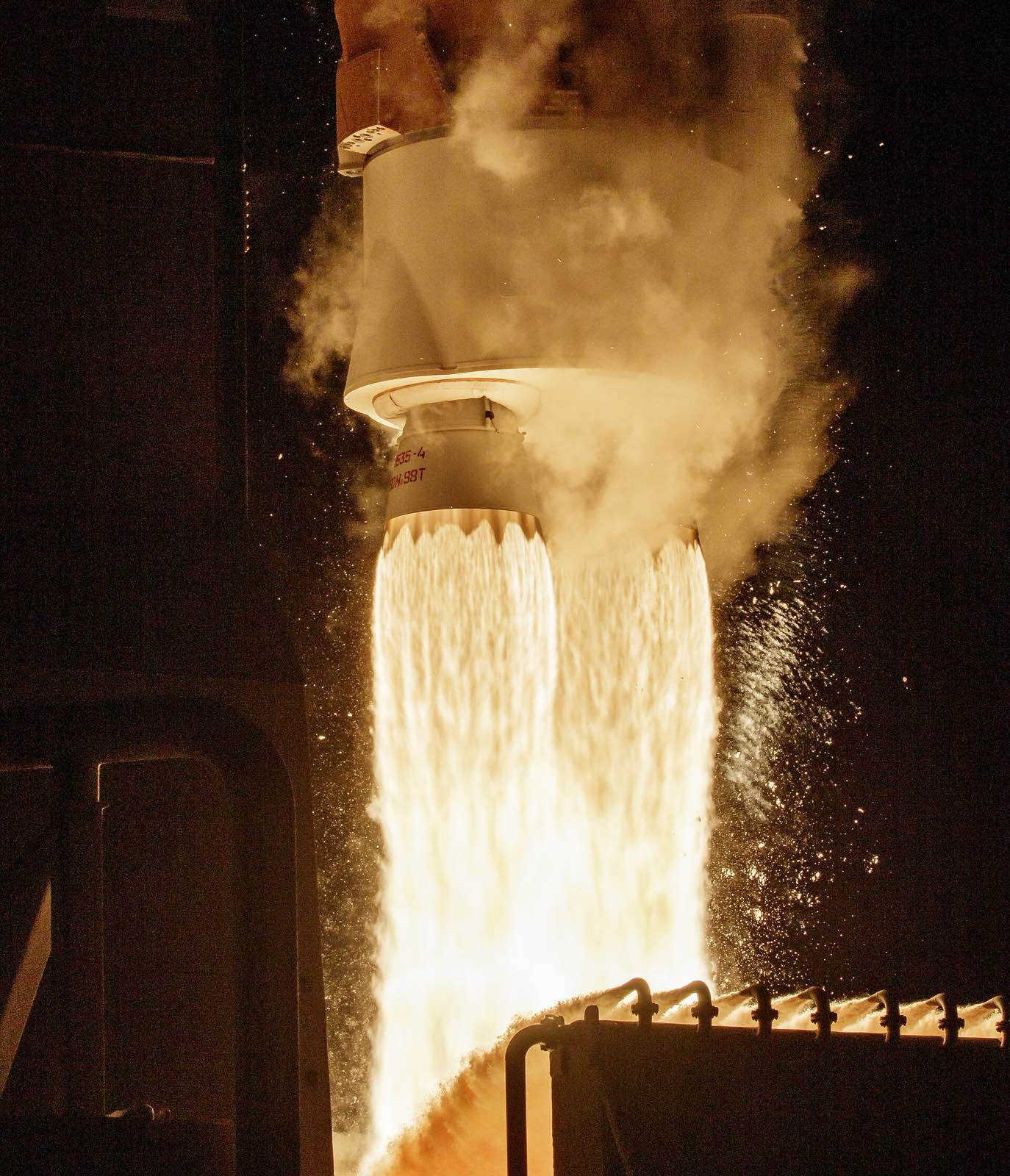
The RD-180 lifts the first stage of United Launch Alliance's Atlas V rocket and powered the Atlas III before it. It burns kerosene and liquid oxygen in a closed cycle where all the oxygen passes through a preburner and turbine, so its gas path must resist burning in hot oxygen. That makes it a reference case for hot-oxygen coatings and alloys.
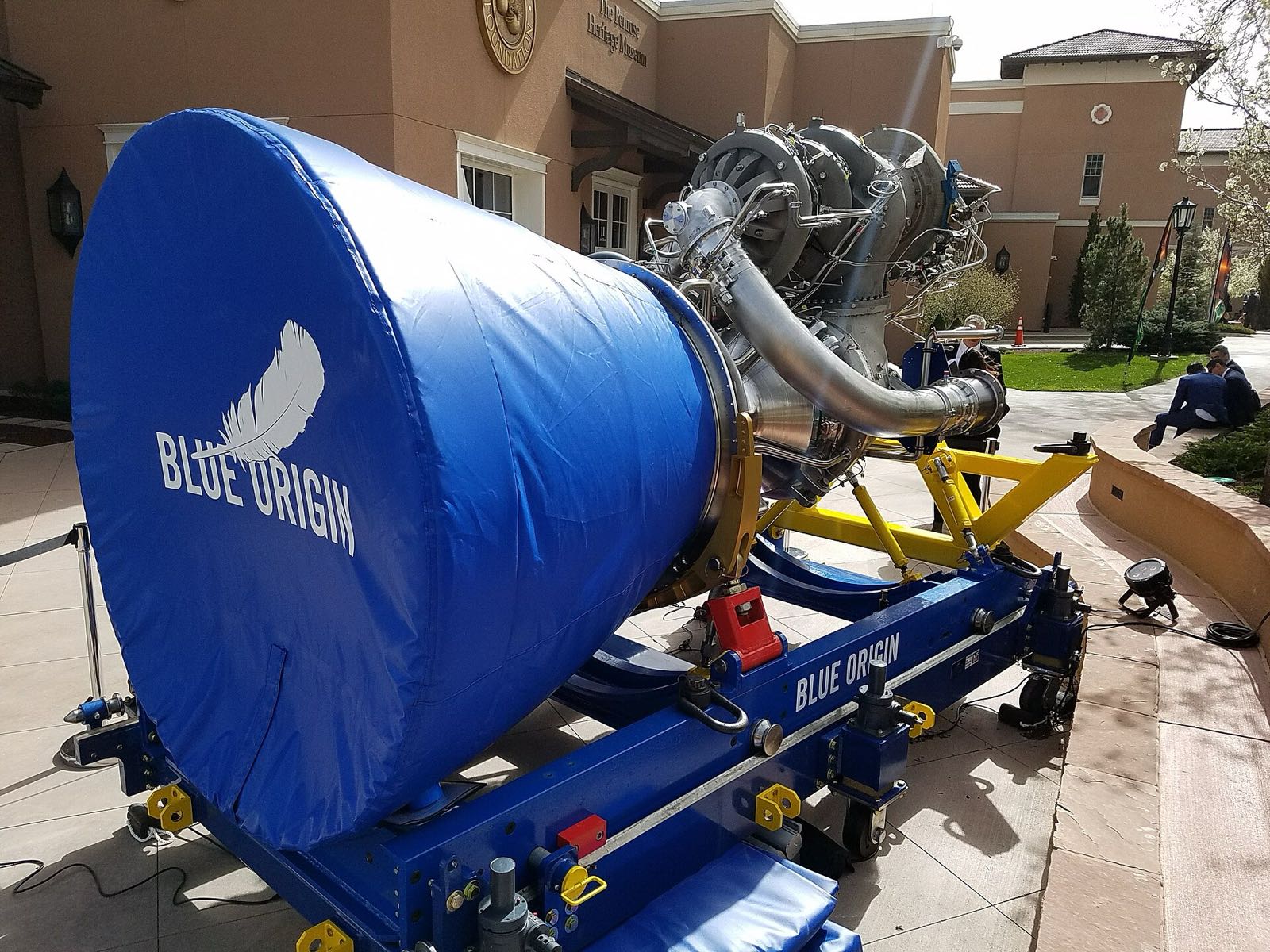
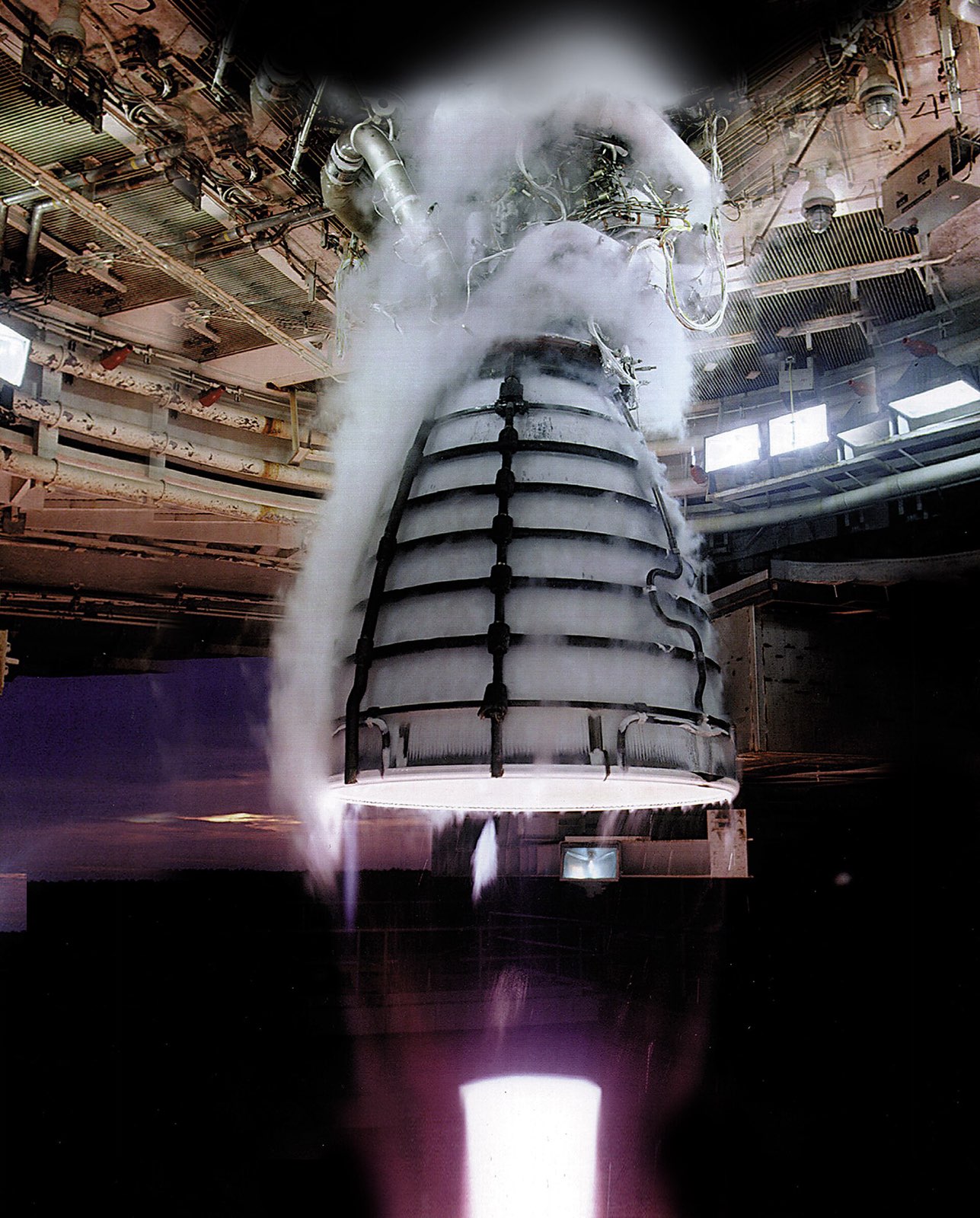
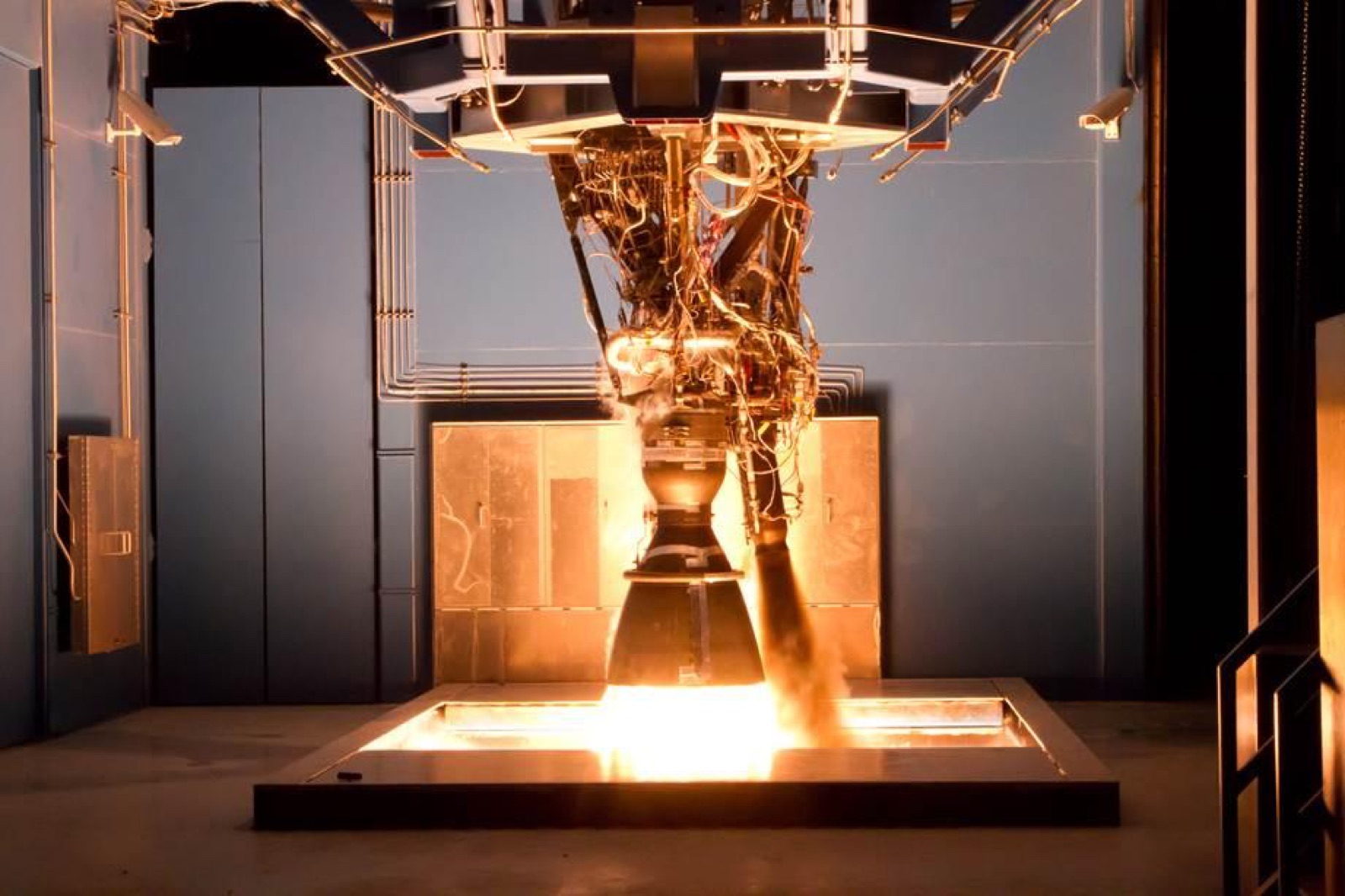
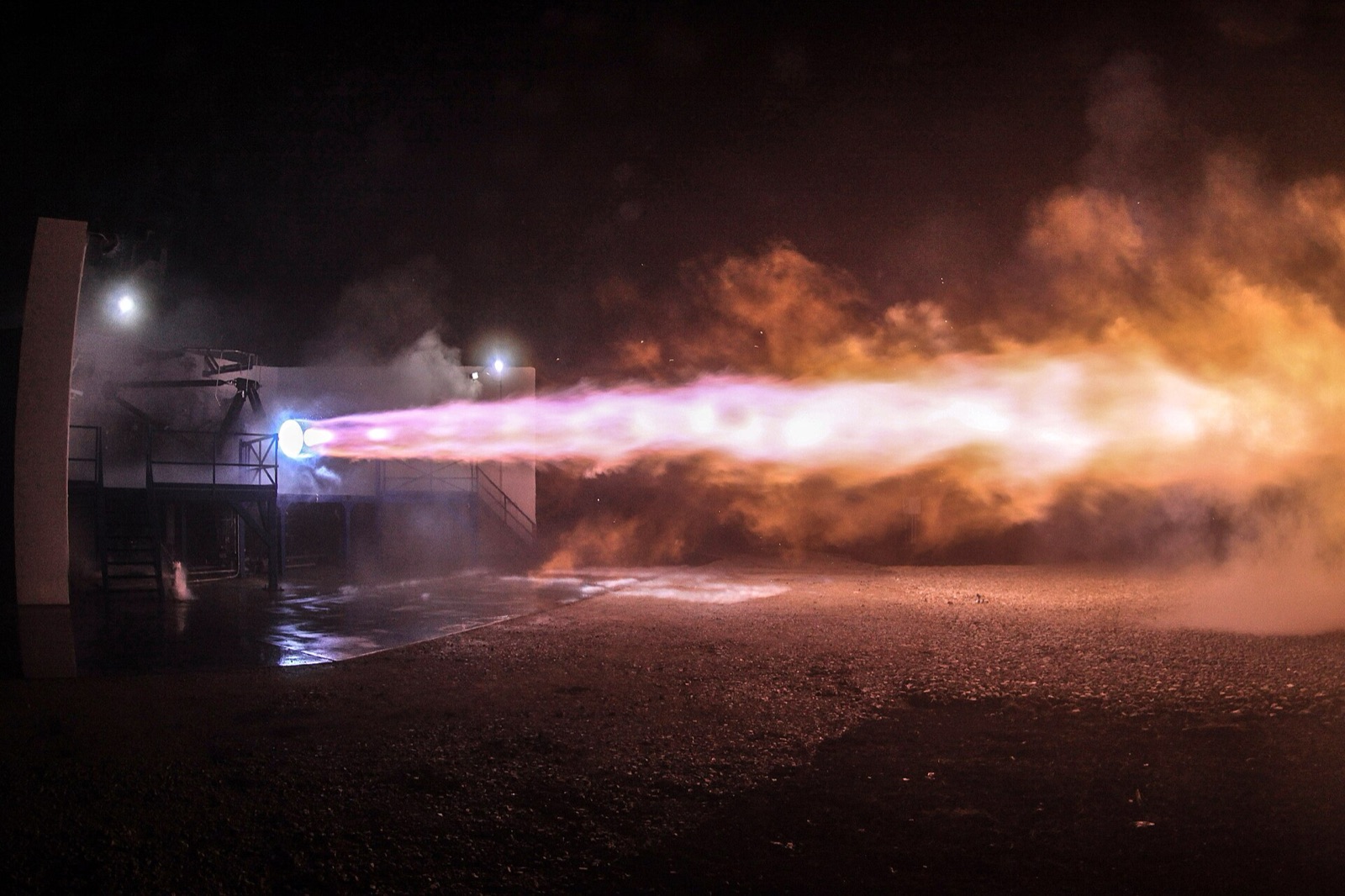
No photos we are allowed to show yet. If you have a photo of this product and the right to share it, send it to us.
Used in Hot-gas internals exposed to the oxygen-rich environment.
Used in Hot gas ducts and ducting coating.
Used in Rotor coating (metal-ceramic).
Used in Turbine gas-path parts.
Used in Rotor and stator blade coating (nickel).
First flight of the RD-180, Atlas IIIA, 24 May 2000; one engine per first stage
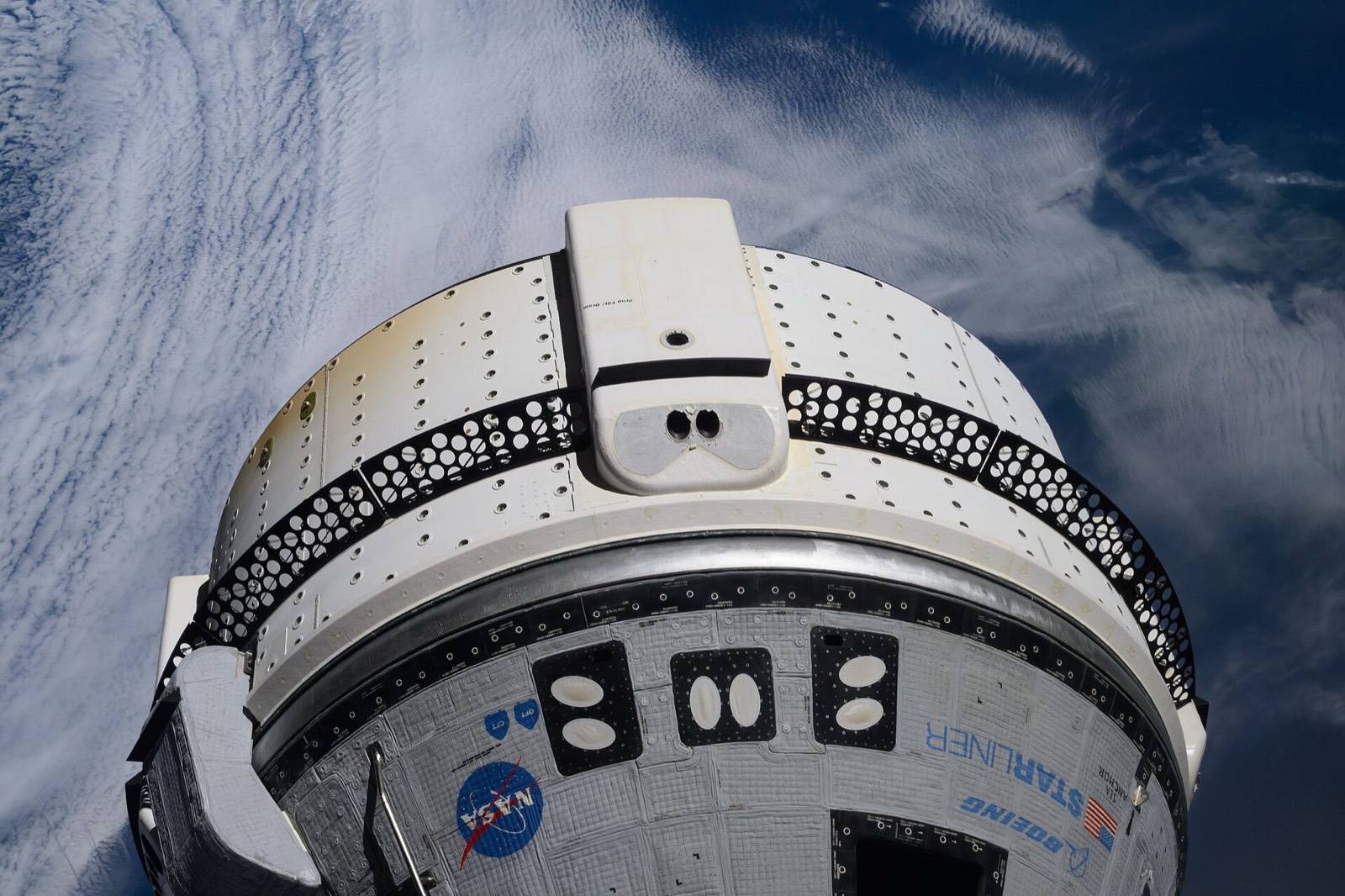
Boeing
First-stage engine of the Atlas V that lifts Starliner; launcher engine, not carried by the capsule
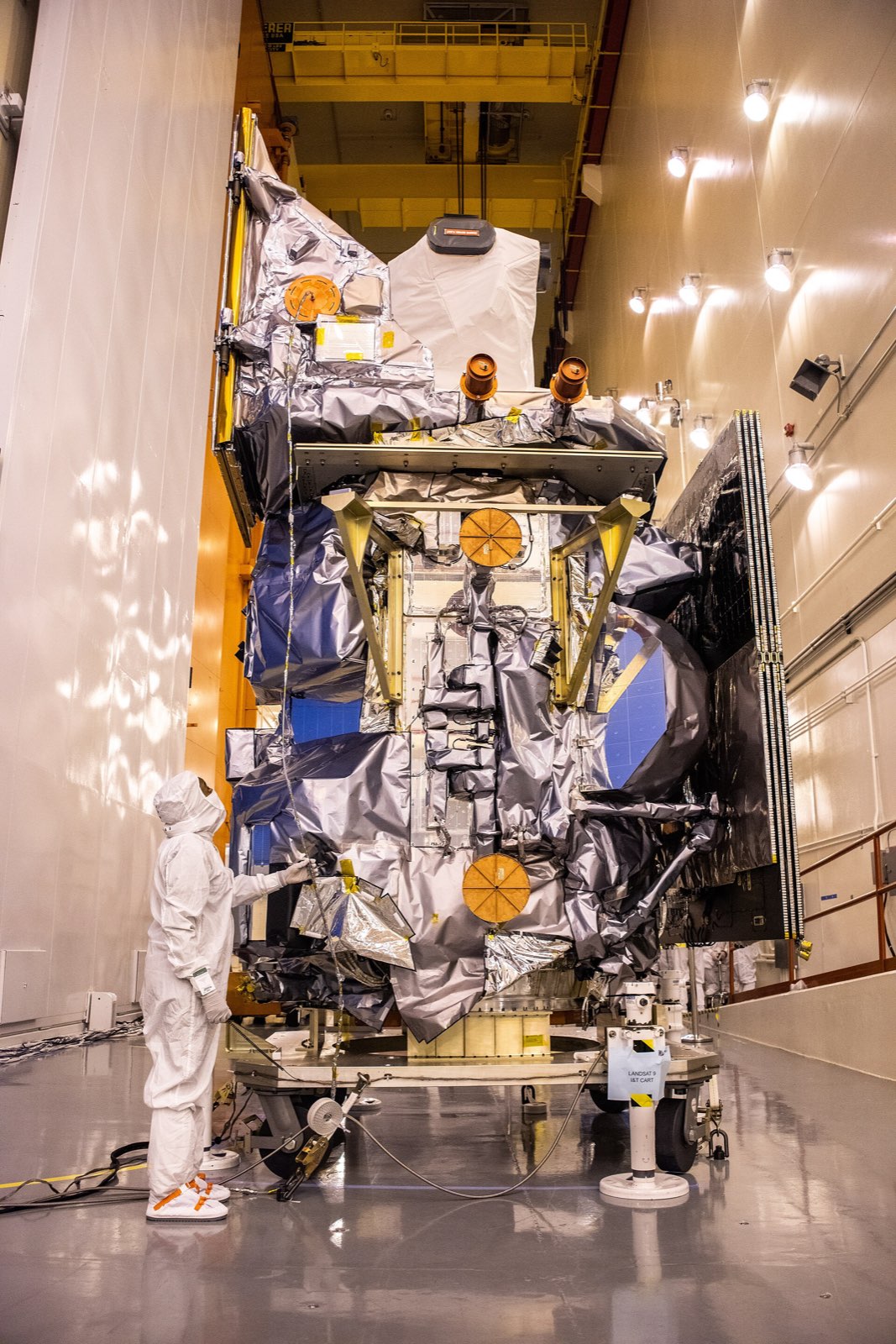
NASA Goddard Space Flight Center
single RD-180 with two thrust chambers burning RP-1 and liquid oxygen
Two-chamber derivative of the four-chamber RD-170; 70 percent common hardware
Designer and manufacturer of the engine, Khimki, Russia
Pratt & Whitney / NPO Energomash joint venture that supplies the engines to the Atlas customer
Chamber manufacturer named in a ULA supplier-visit passage
Thrust vector control actuator supplier
Grades are not given for any alloy. No material is stated for the chambers, nozzles, injector heads, pump rotors, valves, gimbal parts or thrust frame. The enamel coating, the nickel and metal-ceramic coatings and the MIT-thesis composite may or may not be the same coating.
What is written above is built from these numbers and quotes. Each row links to the page it was taken from. Get all of it as JSON, or ask our MCP server.
| What | Value |
|---|---|
| Propellants | Liquid oxygen and kerosene |
| Cycle | Oxygen-rich staged combustion, closed cycle |
| Sea-level thrust | 860,200 lbf |
| Vacuum thrust | 933,400 lbf |
| Specific impulse (sea level / vacuum) | 311.3 s / 337.8 s |
| Chamber pressure | 3,722 psia |
| Mixture ratio (oxidizer to fuel) | 2.72 |
| Throttle range | 47 to 100 percent of power |
| Nozzle area ratio | 36.87:1 |
| Dry mass (Pratt & Whitney fact sheet) | 11,889 lb |
| Dry mass (AIAA 2004 paper) | 5,520 kg |
| Length | 140 in. |
| Diameter | 118 in. |
| Chamber gimbal range | Plus or minus 8 degrees |
| Engines per vehicle | One per Atlas III first stage (six MA-5 engines on Atlas IIAS before it) |
| First flight | 24 May 2000, Atlas IIIA |
| First Atlas V launch | 21 August 2002 |
| Hardware shared with RD-170 | 70 percent common, 30 percent scaled |
| Engines flown (early 2011) | 29 |
Each material named in the sources: where it is used here, which other products use it, and its key numbers when its material page exists.
Used in 1 partHot-gas internals exposed to the oxygen-rich environment
Used in 1 partHot gas ducts and ducting coating
Used in 1 partRotor coating (metal-ceramic)
Used in 1 partTurbine gas-path parts
Used in 1 partRotor and stator blade coating (nickel)
Used in 1 partIgnition-resistant coating on the oxidizer turbopump turbine
Used in 1 partAnti-ignition elements at rubbing contacts in the turbopump
Used in 1 partOxidizer pump fixed slot seals
Part inventory from the NPO Energomash and Pratt & Whitney AIAA paper and ULA papers; materials are stated only for the hot-oxygen gas path (coatings, nickel alloys, silver and bronze elements, a new stainless steel). Chamber, nozzle, injector and pump alloys are not published in the sources found.
| Part | Material | Finish and standard | Made by |
|---|---|---|---|
| Main turbopump unit (single shaft: turbine, LOX pump, fuel pump)“The MTU assembly contains the single shafted turbine, LOX pump and fuel pump as well as the preburner and main LOX valve.” | Not said | — | — |
| Turbine (single stage, driven by oxygen-rich gas)“the main LOX and main kerosene pumps on a single shaft, driven by a single stage turbine” | Not said | — | — |
| Turbine blades and vanes“for retention of coating upon exposure to hot gas” | Not said | coated (composition not stated in this source) | — |
| Turbine gas-path parts“Чтобы исключить возгорание и разрушение деталей газового тракта турбины, в конструкции применены никелевые сплавы” | nickel alloys, including heat-resistant grades (grades not stated)nickel-based-alloy | — | — |
| Oxidizer pump fixed slot seals“применены неподвижные щелевые уплотнения с серебряной накладкой” | silver overlaysilver | — | Used instead of floating rings, per the Russian description |
| Anti-ignition elements at rubbing contacts in the turbopump“серебряные или бронзовые элементы, исключающие возгорание даже при возможном касании” | silver or bronze (source gives either)silver-or-bronze | — | — |
| Rotor and stator blade coating (nickel)“используются разного рода теплозащитные покрытия (никелевые для лопаток ротора и статора, металлокерамического для ротора)” | nickel coatingnickel-coating | — | — |
| Rotor coating (metal-ceramic)“используются разного рода теплозащитные покрытия (никелевые для лопаток ротора и статора, металлокерамического для ротора)” | metal-ceramic coating (composition not stated here)metal-ceramic-coating | — | — |
| Ignition-resistant coating on the oxidizer turbopump turbine“a three-phase metal-ceramic composite composed of nickel, cerium borate, and barium alumino-borate glass” | nickel, cerium borate and barium alumino-borate glass compositenickel-cerium-borate-glass-composite-coating | — | MIT thesis abstract: coating formulation first developed for Russian RD-180 engines; composition from the author's experiments |
| Low-pressure boost pumps (LOX and kerosene)“included new scaled boost pumps and thrust frame and the new valves mentioned previously” | Not said | — | — |
| Part | Material | Finish and standard | Made by |
|---|---|---|---|
| Oxygen-rich preburner“staged combustion oxidizer rich preburner” | Not said | — | — |
| Preburner and main chamber injector heads“modular construction of the preburner and main chamber injector heads with raised injectors” | Not said | — | — |
| Hot gas ducts and ducting coating“Russian engine designs have overcome this material incompatibility challenge by using inert enamel coatings on traditional high-strength turbine alloys and hot-gas ducting” | inert enamel coating on turbine alloys and hot-gas ductinginert-enamel-coating | — | National Research Council text covers Russian oxygen-rich staged-combustion engine designs in general (the RD-180 is the Russian engine of that type it names as sold in the US) |
| Hot-gas internals exposed to the oxygen-rich environment“a new class of high temperature resistant stainless steel invented to cope with the risks of the LOx rich environment” | high-temperature resistant stainless steel (new class, grade not stated)high-temperature-stainless-steel-lox-rich | — | ULA paper does not name the parts; it refers to protecting internal components from fire risk |
| Hot gas bellows assemblies“the two hot gas bellows assemblies bolt to the hot gas duct outlets” | Not said | — | — |
| Hot-gas bellows inside the gimbal joint“через 12-слойный составной сильфон, размещенный внутри карданного подвеса” | Not said | — | — |
| Start fuel (triethylaluminum) in the start ampoule“пусковым горючим триэтилалюминием” | Not said | — | Labelled Hypergolic Start Ampoule in the engine schematic of AIAA 2004-3998 |
| Part | Material | Finish and standard | Made by |
|---|---|---|---|
| Combustion chambers (two)“The two chambers are bolted to the bellows assemblies and the gimbal actuators are attached.” | Not said | — | Chamber assemblies are designed by Energomash and made off-site (AIAA paper); ULA names Metalist in Samara as chamber manufacturer |
| Chamber assembly construction“Камера представляет собой паяно-сварной неразъемный узел и состоит из смесительной головки, камеры сгорания и сопла.” | Not said | — | — |
| Chamber cooling channels and film cooling“internal film cooling (annular slot curtains) and external (milled cooling channels) in combination with a protective hot-wall film coating” | Not said | — | — |
| Nozzles (two)“Nozzle area ratio 36.87:1” | Not said | — | — |
| Part | Material | Finish and standard | Made by |
|---|---|---|---|
| Gimbal units (one per chamber)“Each Chamber assembly is gimballed in two planes for thrust vector control.” | Not said | — | — |
| Gimbal actuators (four)“all four gimbal actuators are activated” | Not said | — | ULA paper names Arsenal in St. Petersburg as the thrust vector control actuator supplier |
| Engine frame (thrust frame)“The frame is installed to the hot gas ducts” | Not said | — | — |
| Part | Material | Finish and standard | Made by |
|---|---|---|---|
| Thrust control valve and mixture ratio control valve (electro-hydraulic)“electro-hydraulically actuated (EHA) thrust control valve and mixture ratio control valve” | Not said | — | — |
| Engine-mounted fuel pre-valve“A newly designed engine-mounted fuel pre-valve was also provided” | Not said | — | — |
| Pneumatic system and helium bottles“The pneumatic system and helium bottles are installed.” | Not said | — | — |
| Heat exchanger (helium heating for LOX tank pressurisation)“heat exchanger for helium heating to pressurize the boost stage oxygen tank” | Not said | — | — |
| Integral hydraulic system“integral hydraulic system for TVC and EHA control valves” | Not said | — | — |
| Vacuum ejector for kerosene lines“vacuum ejector for evacuation of kerosene lines before fuel fill and launch” | Not said | — | — |
Grades are not given for any alloy. No material is stated for the chambers, nozzles, injector heads, pump rotors, valves, gimbal parts or thrust frame. The enamel coating, the nickel and metal-ceramic coatings and the MIT-thesis composite may or may not be the same coating.
Maker credit: NPO Energomash (sold in the US through RD AMROSS). Collected from public pages and documents, checked 4 Nov 2026.
Published · Updated