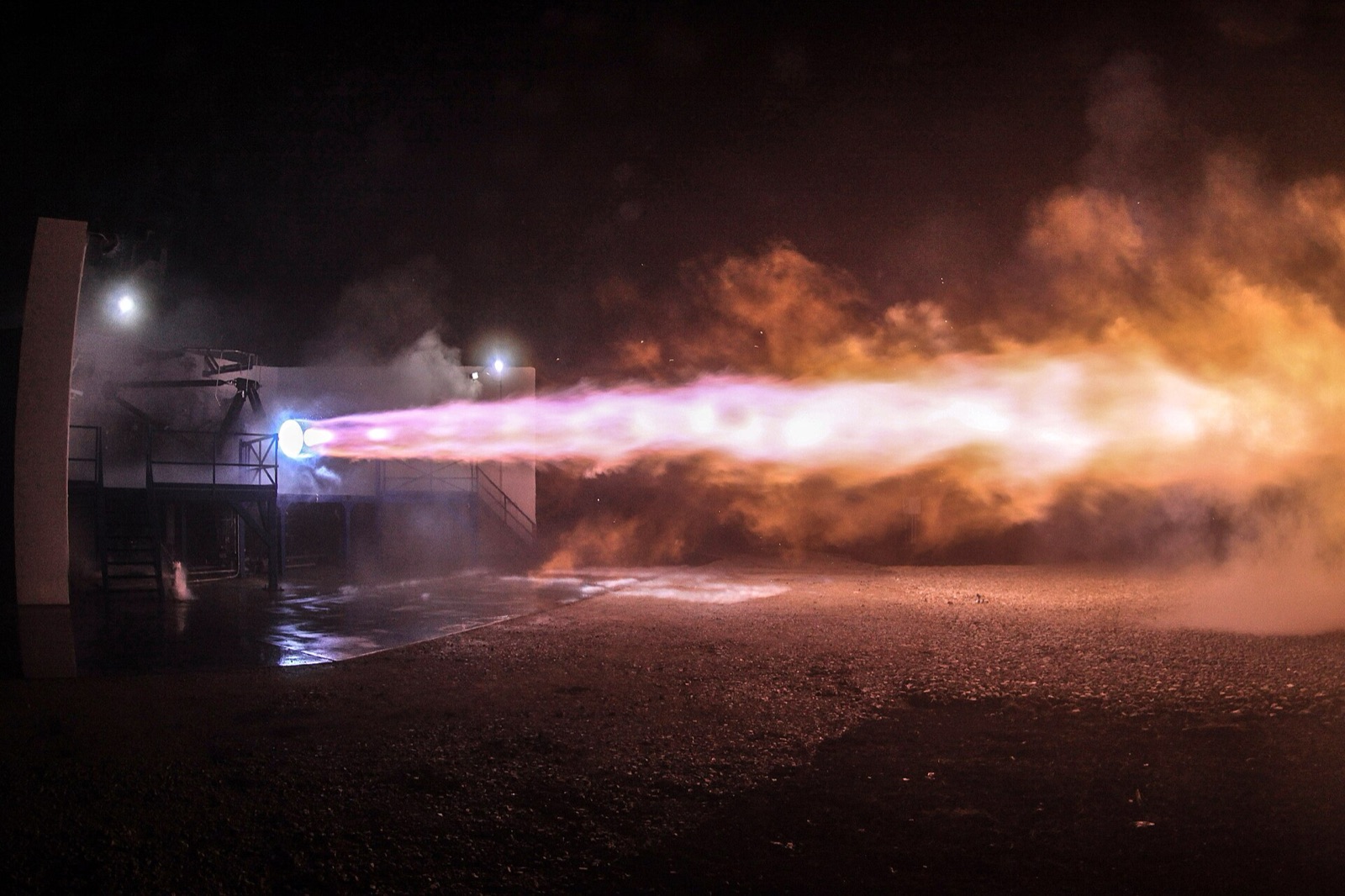
Thrust chamber
- Combustion chamber with regenerative cooling (3D printed)
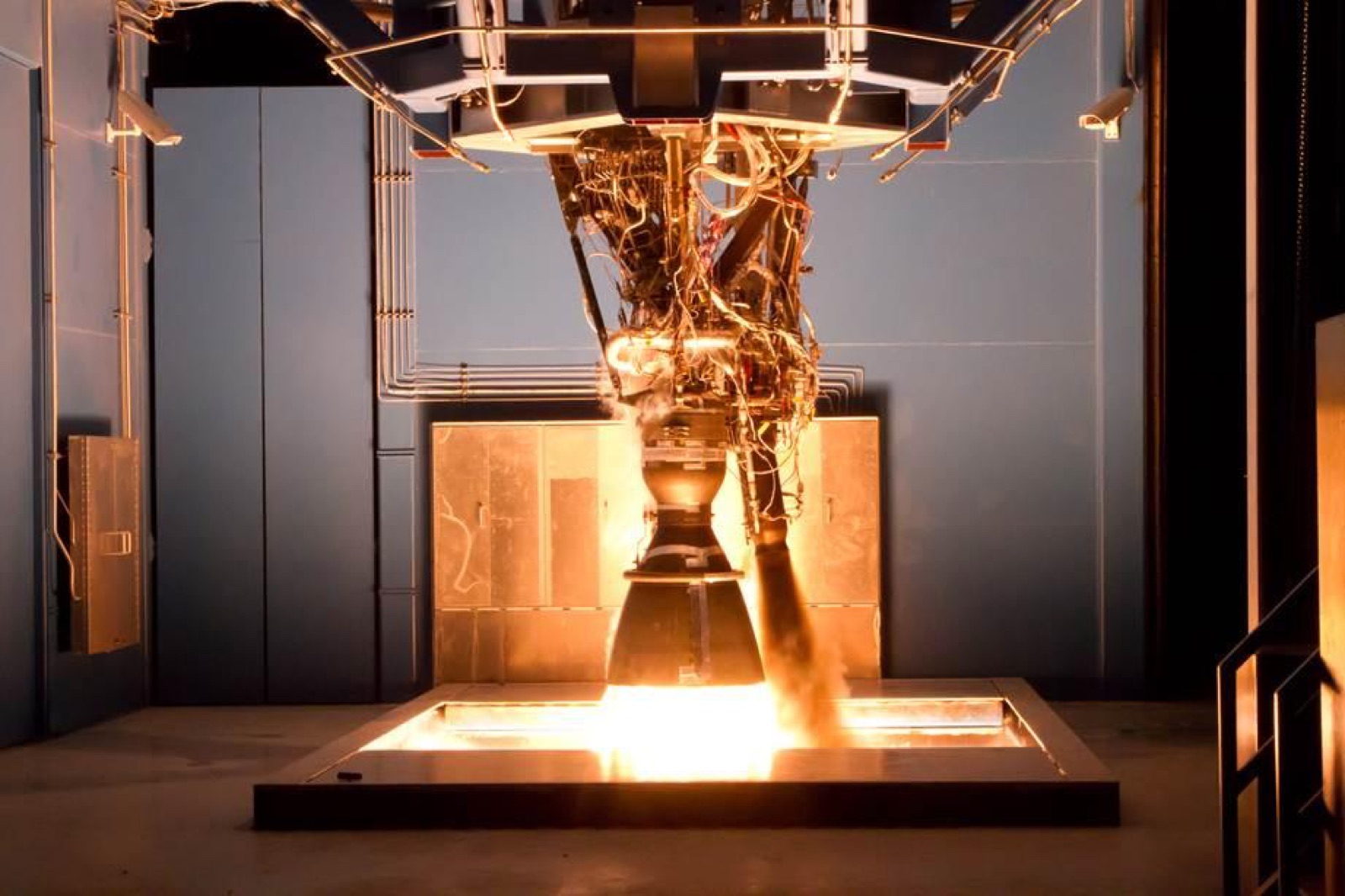
SpaceX's hypergolic launch escape engine for Crew Dragon; SpaceX states the combustion chamber is 3D printed by direct metal laser sintering in Inconel and is regeneratively cooled.
spacex-superdraco SpaceX's hypergolic launch escape engine for Crew Dragon; SpaceX states the combustion chamber is 3D printed by direct metal laser sintering in Inconel and is regeneratively cooled.
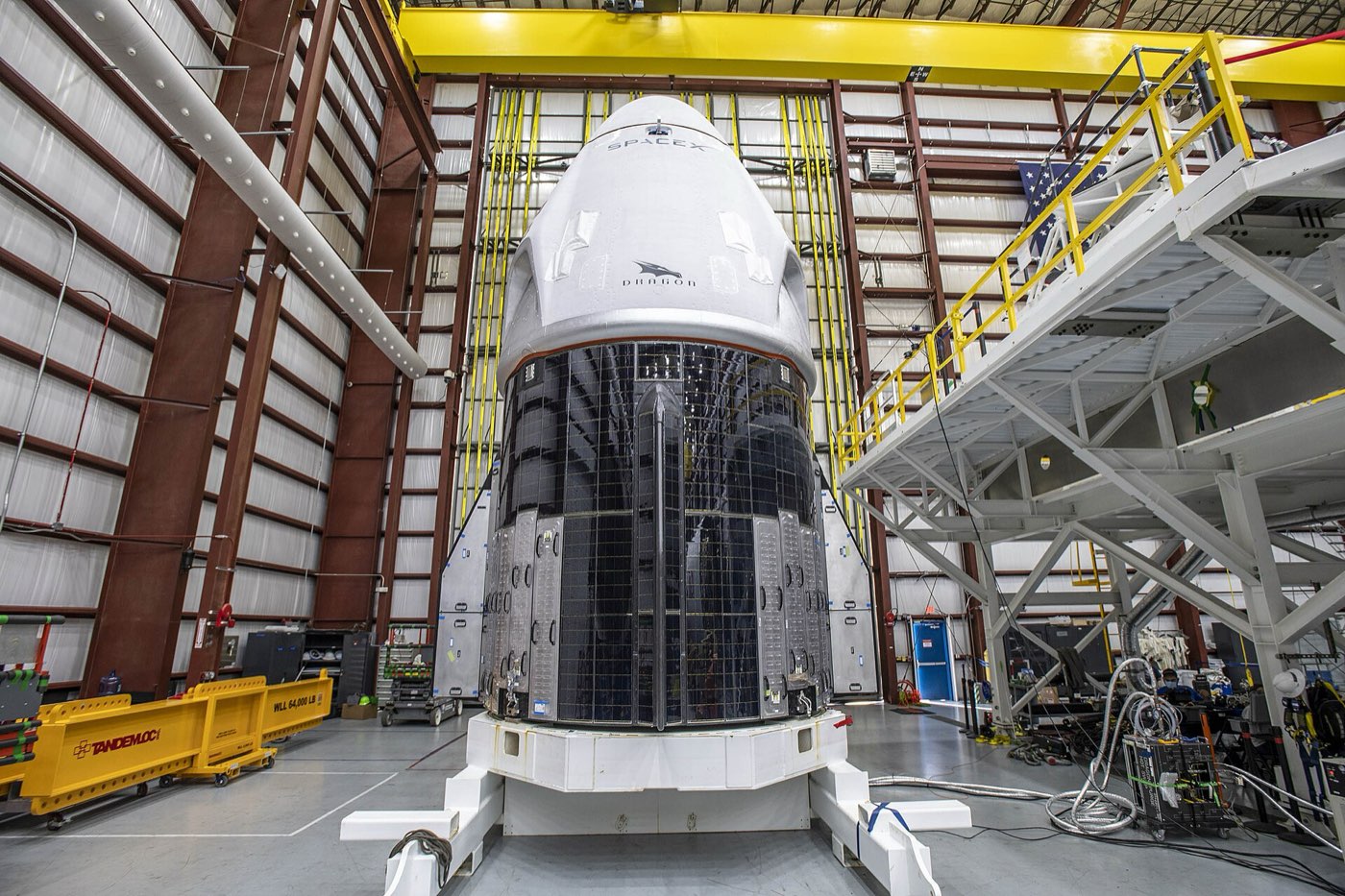
Eight SuperDraco engines are built into the side walls of the Crew Dragon capsule to pull it away from a failing Falcon 9 at any point on the ascent. SpaceX fired all eight in a pad abort test in May 2015 and NASA reports a launch escape test in January 2020. The engine is a reference for a flight-qualified 3D printed superalloy combustion chamber.
No photos we are allowed to show yet. If you have a photo of this product and the right to share it, send it to us.
Used in Combustion chamber with regenerative cooling (3D printed).
Used in Fuel: monomethylhydrazine (MMH).
Used in Oxidizer: nitrogen tetroxide (NTO).
Chambers produced by SpaceX in-house under the NASA Commercial Crew Program partnership
No alloy grade, injector, nozzle, valve, pressurant, seal, pod or nacelle material is published in the sources found; no standards.
What is written above is built from these numbers and quotes. Each row links to the page it was taken from. Get all of it as JSON, or ask our MCP server.
| What | Value |
|---|---|
| Thrust per engine (SpaceX release) | 16,000 lbf |
| Thrust per engine (New Atlas, 2014) | 16,400 lbf |
| Thrust measured in the pad abort test (NASA, 2015) | About 15,000 lbf per engine for about six seconds |
| Total axial thrust from eight engines | Up to 120,000 lbf |
| Propellants | Monomethylhydrazine fuel and nitrogen tetroxide oxidizer (hypergolic) |
| Throttling | Deep throttling (range not stated in the sources read) |
| Restart | Multiple restarts |
| Engines on Crew Dragon | Eight, in four pods on the midbody side walls |
| Qualification testing (SpaceX release of 28 May 2014) | Multiple starts, extended firing durations, extreme off-nominal propellant flow and temperatures |
| Hot fire of a printed chamber | Late 2013 |
| Pad abort test (NASA release of 6 May 2015) | All eight engines fired together at 9 a.m. EDT |
| In-flight abort test | January 2020 |
Each material named in the sources: where it is used here, which other products use it, and its key numbers when its material page exists.
Used in 1 partCombustion chamber with regenerative cooling (3D printed)
Used in 1 partFuel: monomethylhydrazine (MMH)
Used in 1 partOxidizer: nitrogen tetroxide (NTO)
Only the chamber alloy family (Inconel, grade not stated) and the two propellants are stated; the pods are listed with no material and no injector, nozzle or valve source was found.
| Part | Material | Finish and standard | Made by |
|---|---|---|---|
| Combustion chamber with regenerative cooling (3D printed)“The chamber is regeneratively cooled and printed in Inconel, a high-performance superalloy” | Inconel (alloy not stated)inconel | — | Printed on an EOS direct metal laser sintering machine per 3DPrint.com (2020) |
| Part | Material | Finish and standard | Made by |
|---|---|---|---|
| Engine pods on the midbody side walls (four pods of two engines)“Eight SuperDraco engines fire in four pods on the midbody side walls of a SpaceX Crew Dragon spacecraft” | Not said | — | Crew Dragon capsule midbody |
| Part | Material | Finish and standard | Made by |
|---|---|---|---|
| Fuel: monomethylhydrazine (MMH)“Each engine, the chambers of which are 3-D printed, burns hypergolic propellants monomethylhydrazine and nitrogen tetroxide.” | monomethylhydrazinemonomethylhydrazine | — | — |
| Oxidizer: nitrogen tetroxide (NTO)“Each engine, the chambers of which are 3-D printed, burns hypergolic propellants monomethylhydrazine and nitrogen tetroxide.” | nitrogen tetroxidedinitrogen-tetroxide | — | — |
No alloy grade, injector, nozzle, valve, pressurant, seal, pod or nacelle material is published in the sources found; no standards.
Collected from public pages and documents, checked 4 Nov 2026.
Published · Updated