Thrust chamber and nozzle
- Regeneratively cooled thrust chamber (3D printed)
- Nozzle (3D printed)
- Stage 2 vacuum nozzle (larger expansion ratio)
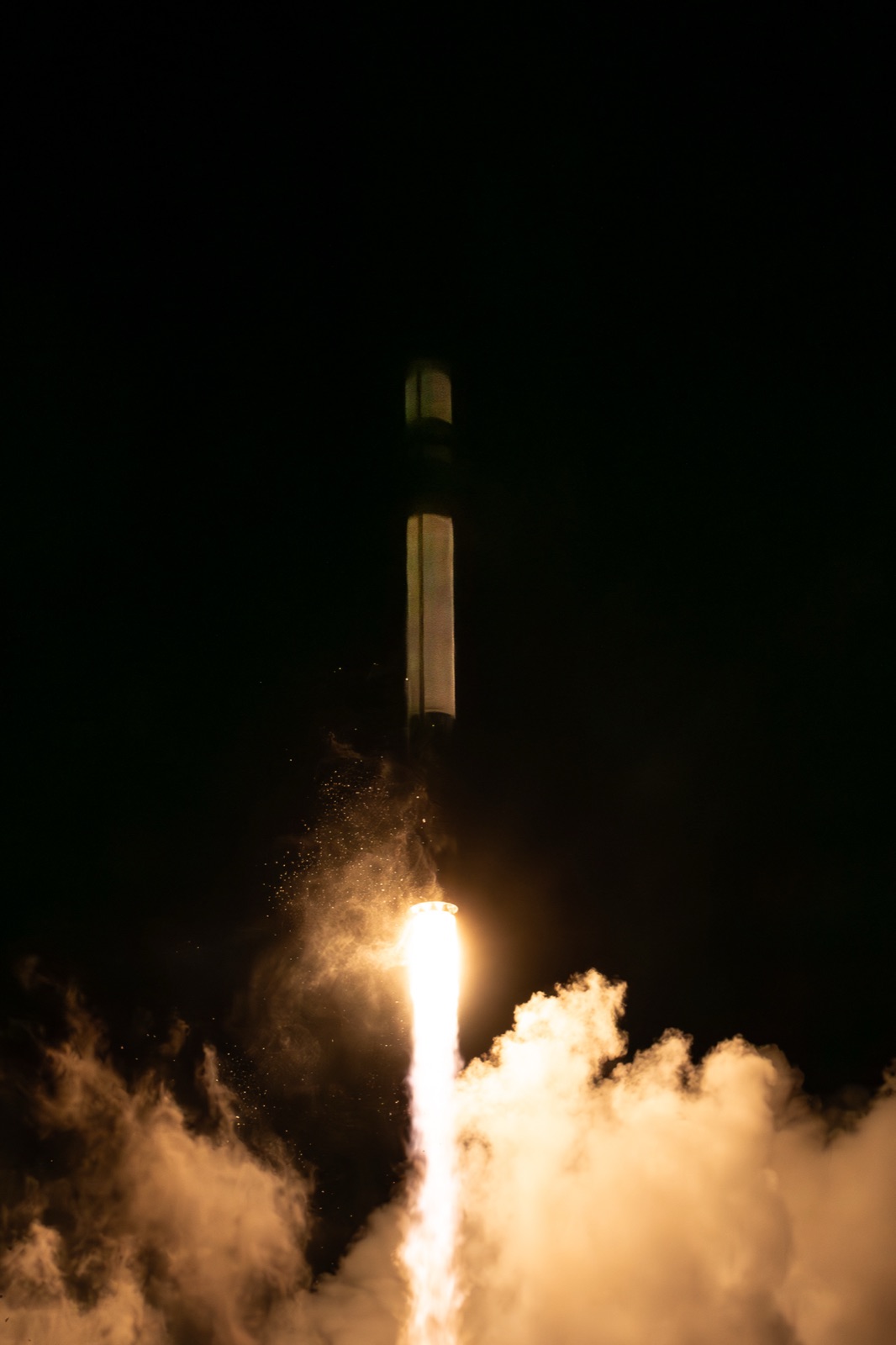
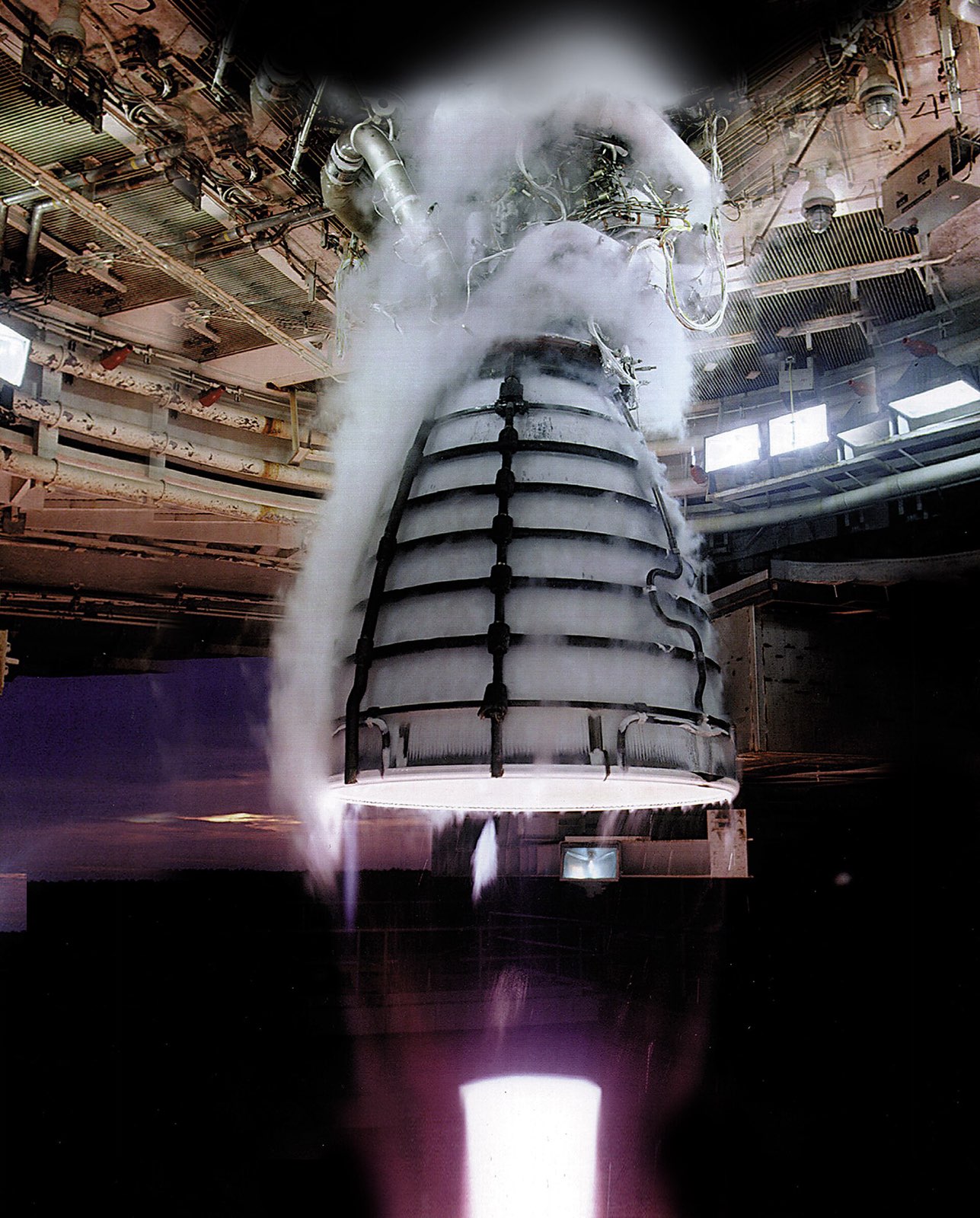
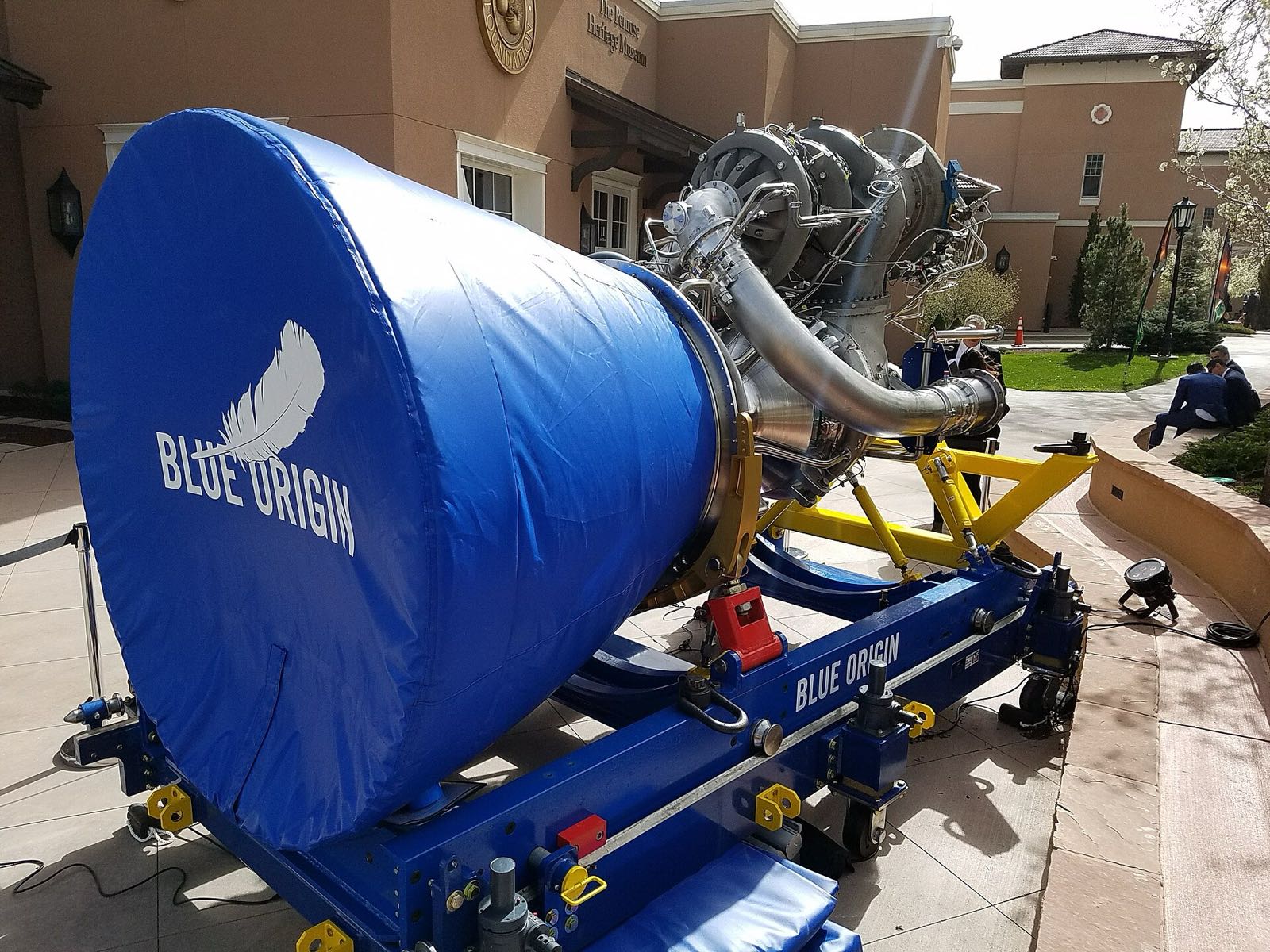
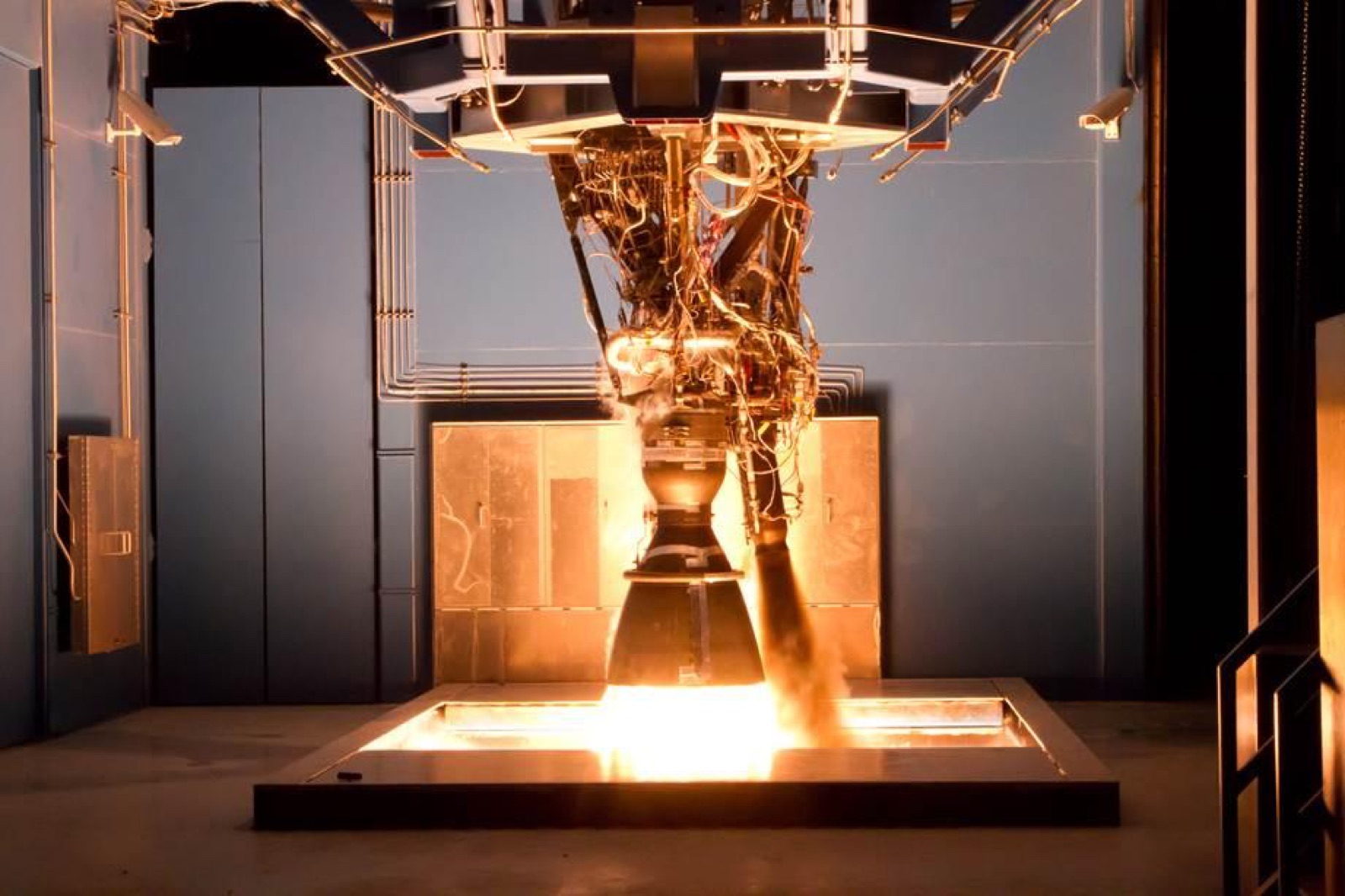
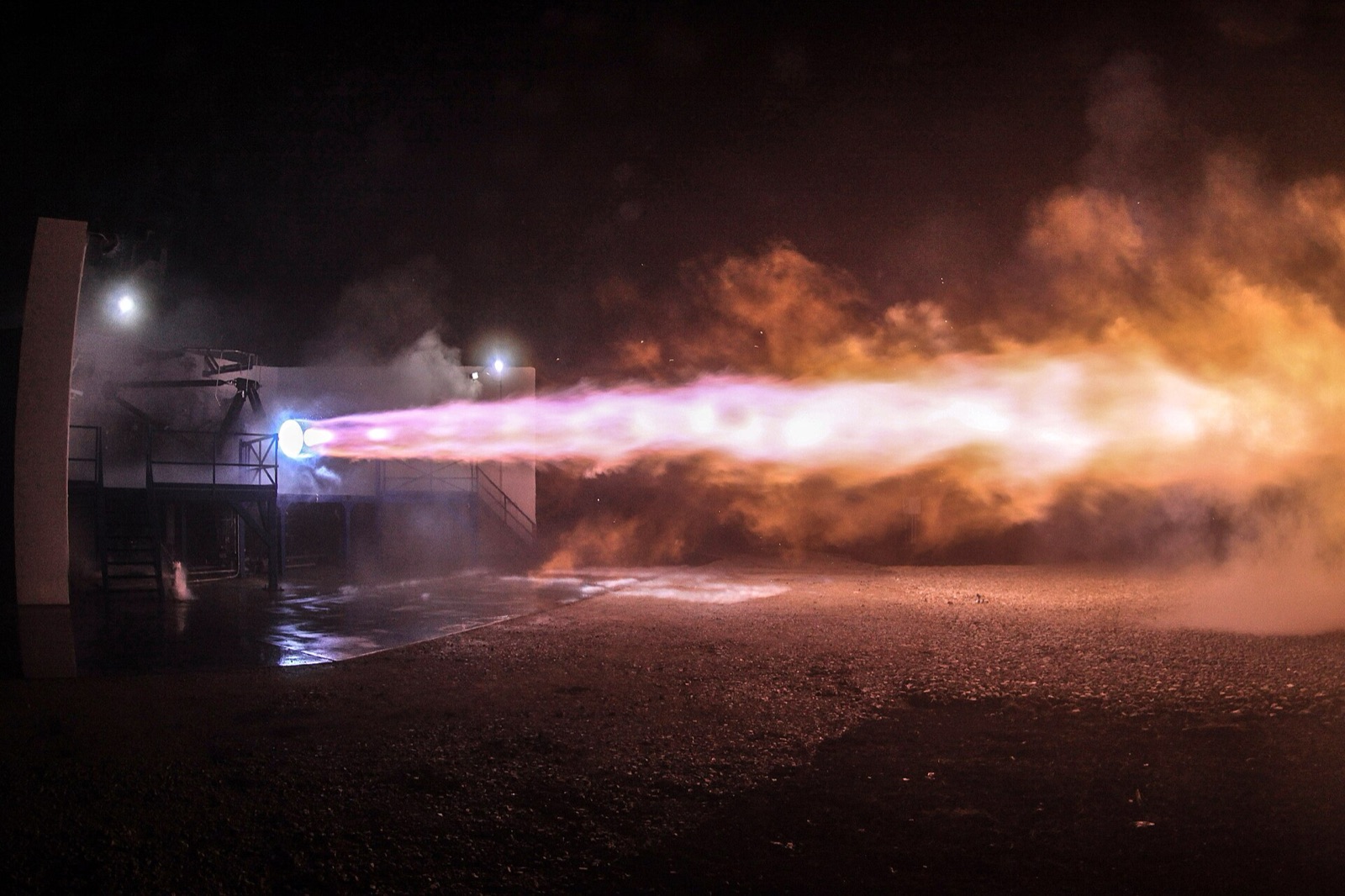
Rocket Lab's electric pump-fed LOX/kerosene engine for Electron; the Payload User Guide says all primary components are additively manufactured and the pumps run on brushless DC motors and lithium polymer batteries. No alloy is named by Rocket Lab.
rocket-lab-rutherford Rocket Lab's electric pump-fed LOX/kerosene engine for Electron; the Payload User Guide says all primary components are additively manufactured and the pumps run on brushless DC motors and lithium polymer batteries. No alloy is named by Rocket Lab.
Rutherford engines power both stages of Rocket Lab's Electron small launcher: nine sea-level engines on the first stage and one vacuum-optimized engine on the second. Electric motors and lithium polymer batteries drive the propellant pumps instead of a gas generator, and the main engine parts are 3D printed. It is a reference for how additive manufacturing and battery-driven pumps simplify a small launcher engine.
No photos we are allowed to show yet. If you have a photo of this product and the right to share it, send it to us.
Used in Oxidizer: liquid oxygen (LOX).
Used in High-voltage battery packs.
Used in Fuel: RP-1 kerosene.
Used in Printed engine components (general statement).
Rocket Lab
Nine sea-level Rutherford engines on stage 1 and one vacuum Rutherford on stage 2
Designed in-house and built at the Long Beach headquarters
Metal powders for the 3D printing processes (alloy not named)
Rocketdyne, Division of North American Aviation
liquid oxygen. Here: Oxidizer: liquid oxygen (LOX). There: Oxidizer.
RP-1 kerosene. Here: Fuel: RP-1 kerosene. There: Fuel.
No alloy grade, chamber liner, wall thickness, pump or motor construction, bearing, seal or valve material is published in the sources found; no standards. Igniter not described.
What is written above is built from these numbers and quotes. Each row links to the page it was taken from. Get all of it as JSON, or ask our MCP server.
| What | Value |
|---|---|
| Sea-level thrust (stage 1 engine, each) | 5,600 lbf (24 kN) |
| Sea-level specific impulse (stage 1 engine) | 311 s |
| Vacuum thrust (stage 2 engine) | 5,800 lbf |
| Vacuum specific impulse (stage 2 engine) | 343 s |
| Earlier thrust rating (2015 announcement) | 4,600 lbf |
| Propellants | Liquid oxygen and kerosene (RP-1) |
| Cycle | Electric pump-fed (brushless DC motors and lithium polymer batteries drive the pumps) |
| Pump power | More than 50 horsepower from each of two turbo-pumps |
| Engines on Electron stage 1 | Nine sea-level engines |
| Engines on Electron stage 2 | One vacuum engine |
| Stage 1 lift-off thrust (2017 report) | About 34,500 lbf from nine engines |
| Stage 1 thrust later in flight (2017 report) | Up to 41,500 lbf from nine engines |
| First Electron launch (Spaceflight Now report of 25 May 2017) | Test flight lifted off at 4:20 p.m. New Zealand time with nine Rutherford engines |
| Printed components | Chamber, injector, pumps and main propellant valves |
| Production | 1,000th engine built (2026 report) |
Each material named in the sources: where it is used here, which other products use it, and its key numbers when its material page exists.
Used in 1 partOxidizer: liquid oxygen (LOX)
Used in 1 partHigh-voltage battery packs
Used in 1 partFuel: RP-1 kerosene
Used in 1 partPrinted engine components (general statement)
Only the battery cell type (lithium polymer), the propellants and a trade-press wording of titanium and other alloys are stated; the printed chamber, nozzle, injector, pumps and valves are listed with no alloy.
| Part | Material | Finish and standard | Made by |
|---|---|---|---|
| Regeneratively cooled thrust chamber (3D printed)“including the regeneratively cooled thrust chamber, injector pumps, and main propellant valves” | Not said | — | Process reported as electron beam melting (Popular Science 2015) and as EOS machines (3DPrint.com 2023); alloy not stated |
| Nozzle (3D printed)“EOS to 3D print the engine combustion chamber and nozzle for its Rutherford engine” | Not said | — | — |
| Stage 2 vacuum nozzle (larger expansion ratio)“The Stage 1 and Stage 2 Rutherford engines are identical, with the exception of a larger expansion ratio nozzle for Stage 2” | Not said | — | Stage 1 sea-level engines use the smaller nozzle |
| Part | Material | Finish and standard | Made by |
|---|---|---|---|
| Injector (3D printed)“direct metal laser sintering (DMLS) platforms to 3D print injectors for the Rutherford” | Not said | — | Renishaw DMLS platforms per the 2023 report |
| Part | Material | Finish and standard | Made by |
|---|---|---|---|
| Propellant pumps (LOX and kerosene, electrically driven)“Its engine chamber, injector, turbopumps, and main propellant valves are all printed and assembled into a lightweight shape.” | Not said | — | Electric turbo-pumping system |
| Brushless DC electric motors (two per engine)“two 50 horsepower brushless motors powered by a bank of lithium polymer batteries” | Not said | — | More than 50 horsepower each (Via Satellite 2015) |
| High-voltage battery packs“the pumps are powered by electric motors with lithium polymer batteries.” | lithium polymer batterieslithium-polymer-battery | — | Stage 2 carries three packs; the first two are jettisoned when depleted (Payload User Guide) |
| Battery sequencing on stage 2“two HVBs power the electric pumps” | Not said | — | A third pack takes over after depletion and the first two are jettisoned to reduce mass (Payload User Guide) |
| Part | Material | Finish and standard | Made by |
|---|---|---|---|
| Main propellant valves (3D printed)“Its engine chamber, injector, turbopumps, and main propellant valves are all printed and assembled into a lightweight shape.” | Not said | — | — |
| Electromechanical thrust vector actuators“electromechanical thrust vector actuators” | Not said | — | Two-axis thrust vector control; roll control by cold gas reaction control system (Payload User Guide) |
| Part | Material | Finish and standard | Made by |
|---|---|---|---|
| Oxidizer: liquid oxygen (LOX)“common bulkhead tanks for LOx and RP-1” | liquid oxygenliquid-oxygen | — | — |
| Fuel: RP-1 kerosene“common bulkhead tanks for LOx and RP-1” | RP-1 kerosenerp-1-kerosene | — | — |
| Pressurant system for pump inlet pressure“a pressurant system is used to provide enough pump inlet pressure to safely operate” | Not said | — | Pressurant gas not named |
| Part | Material | Finish and standard | Made by |
|---|---|---|---|
| Printed engine components (general statement)“print the components of the Rutherford engine out of titanium and other alloys” | titanium and other alloys (alloys not named)titanium | — | Engadget 2015 wording; Rocket Lab's own guide names no alloy. Metal powders supplied by Carpenter Technology (3DPrint.com 2023) |
No alloy grade, chamber liner, wall thickness, pump or motor construction, bearing, seal or valve material is published in the sources found; no standards. Igniter not described.
Collected from public pages and documents, checked 4 Nov 2026.
Published · Updated