Voyager 1 reaches one light-day from Earth on Nov. 18
Published
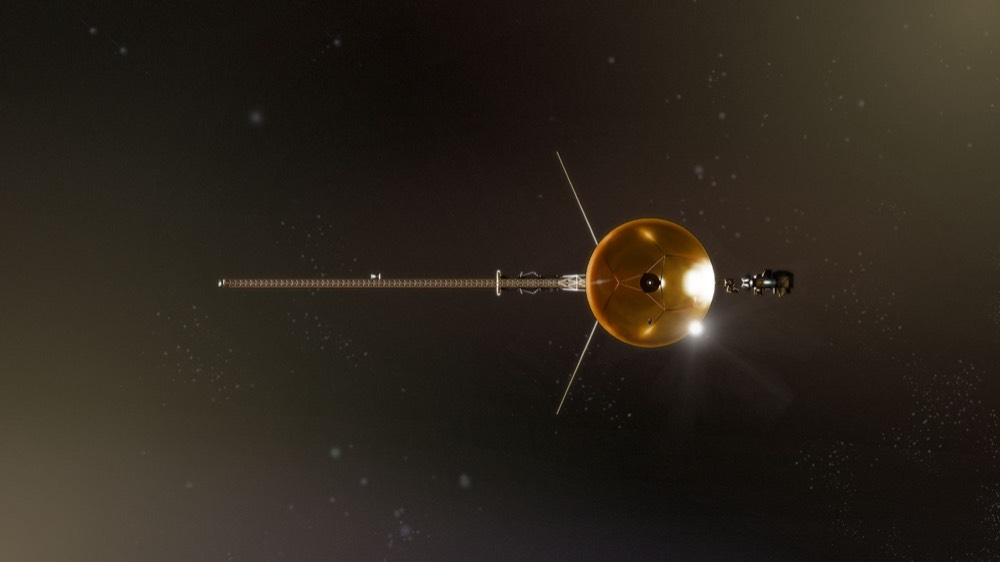
NASA's Voyager 1 will pass one light-day from Earth on November 18. At that moment the probe will be as far away as light takes a full day to travel. Space.com reports the crossover is set for 5:16 a.m. Eastern time, when the spacecraft will be 49 years, two months and 11 days old.
Voyager 1 launched from Kennedy Space Center in Florida on September 5, 1977. It is the most distant human-made object from Earth. During the crossover, the probe will be in contact with NASA's Madrid station, one of three antenna sites in the Deep Space Network that tracks deep-space missions.
Jeffrey Hayes, a NASA official who works on Voyager, said in a livestreamed talk on November 4 that the milestone starts a year of celebrations. The mission's 50th anniversary falls in August and September 2027. NASA has called the distance a huge milestone by any measure.
What is not new is the science. Reaching a light-day is a symbol of how long a spacecraft can keep working, not a new measurement. The probe is currently moving through the constellation Ophiuchus as seen from Earth, according to the same article.
I think the number is worth a moment, even if the headline is more about age than discovery. Which surprises you more, the distance or the age of the spacecraft?