Space as US Critical Infrastructure: The 17th Sector
Published
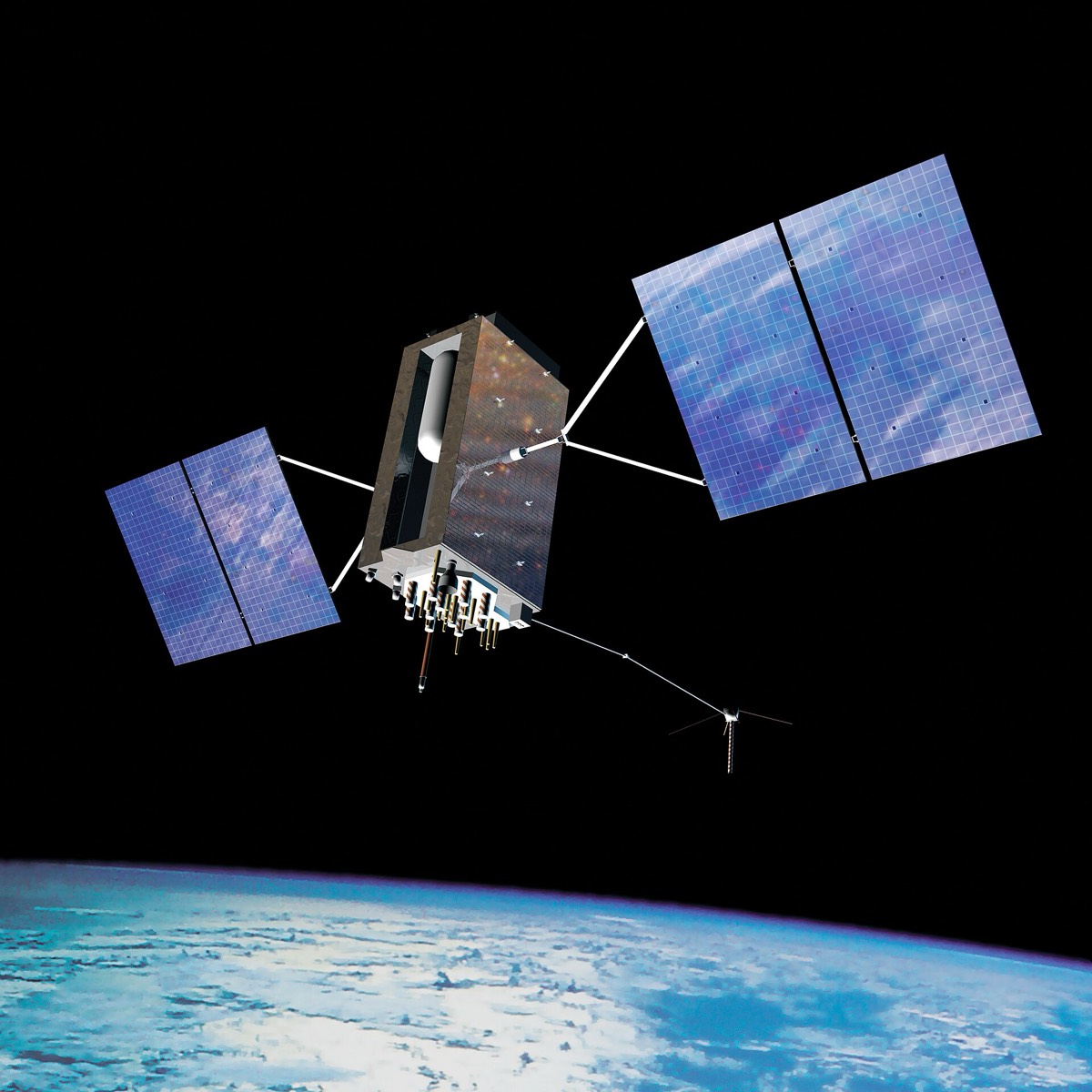
The United States recognizes 16 critical infrastructure sectors, from communications to food and agriculture, and none of them is space. On 24 November 2026 the Foundation for Defense of Democracies (FDD) published a 28-page monograph asking Congress to add space-based systems as a 17th sector, with NASA as its non-regulatory lead agency and an initial budget of about $15 million a year. The idea is not new: the Department of Homeland Security and its cyber agency, CISA, told the president in a 12 November 2021 report that a space sector should be evaluated, and five years later nothing has been designated.
Key facts
Proposal: designate space-based systems as the 17th US critical infrastructure sector, with NASA as the sector risk management agency (SRMA), the federal point of contact that every sector has. Document: "Space Critical Infrastructure: The Final Frontier", an FDD monograph by Emmerson Overell and Annie Fixler, published 24 November 2026 with the Cyberspace Solarium Commission 2.0 project. Cost: $15 million a year and 25 full-time staff for NASA, the 2023 CSC 2.0 estimate, which FDD proposes as a starting point to be reassessed. Today: space has no SRMA and no sector-specific risk management plan. Legislation: the Space Infrastructure Act (H.R. 1154), introduced 10 February 2025, is stalled in the House Science, Space, and Technology Committee. The Satellite Cybersecurity Act of 2025 (S. 3404) passed the Senate on 23 September 2026 and awaits the House.
Five years of "evaluate it"
12 November 2021: CISA reports to the president under Section 9002(b) of the FY2021 defense authorization act and recommends evaluating a Space Sector, using the five criteria in its own appendix. 7 November 2022: the White House commits to reviewing and revising the sector list. April 2024: the White House policy update keeps the list at 16 sectors. January 2025: a Biden executive order recognizes the importance of space systems, but its space provisions cover only federally owned or contracted systems. A National Space Council and National Cyber Director report finds that holistic space cybersecurity practices are underdeveloped. 10 February 2025: Representatives Ken Calvert, Salud Carbajal, Brian Fitzpatrick and Ted Lieu introduce the Space Infrastructure Act. 18 December 2025: Executive Order 14369, "Ensuring American Space Superiority", orders a space security strategy but designates no sector. August 2026: the National Security Science and Technology Strategy and the National Space Transportation Policy (NSPM-17) both address space, and neither creates a sector. 17 November 2026: a Government Accountability Office report on space supply chains, which FDD says found Space Force efforts not sufficiently coordinated with other national security space stakeholders.
Who is in charge of space risk today
Nobody owns the whole picture. The FAA licenses launches, reentries and spaceports. The FCC authorizes non-federal satellites and spectrum, while the NTIA manages federal spectrum. The Commerce Department licenses private remote sensing and is building civil space traffic coordination. NASA runs civil missions, the Pentagon and intelligence community run national security space, and CISA is the sector risk agency for communications. Space ISAC, a private threat-sharing group created in 2019 with a watch center in Colorado Springs, shares information voluntarily but cannot assign federal responsibilities.
FDD's example is a cyberattack on a commercial operator's ground network that disrupts both military and civilian services: CISA would offer cyber support, the FCC would address spectrum, the Defense Department would handle military effects, and investigators would work in parallel, so the operator faces several reporting paths and overlapping requests. The report says existing agencies are doing what Congress told them to do and that the gap lies between their mandates.
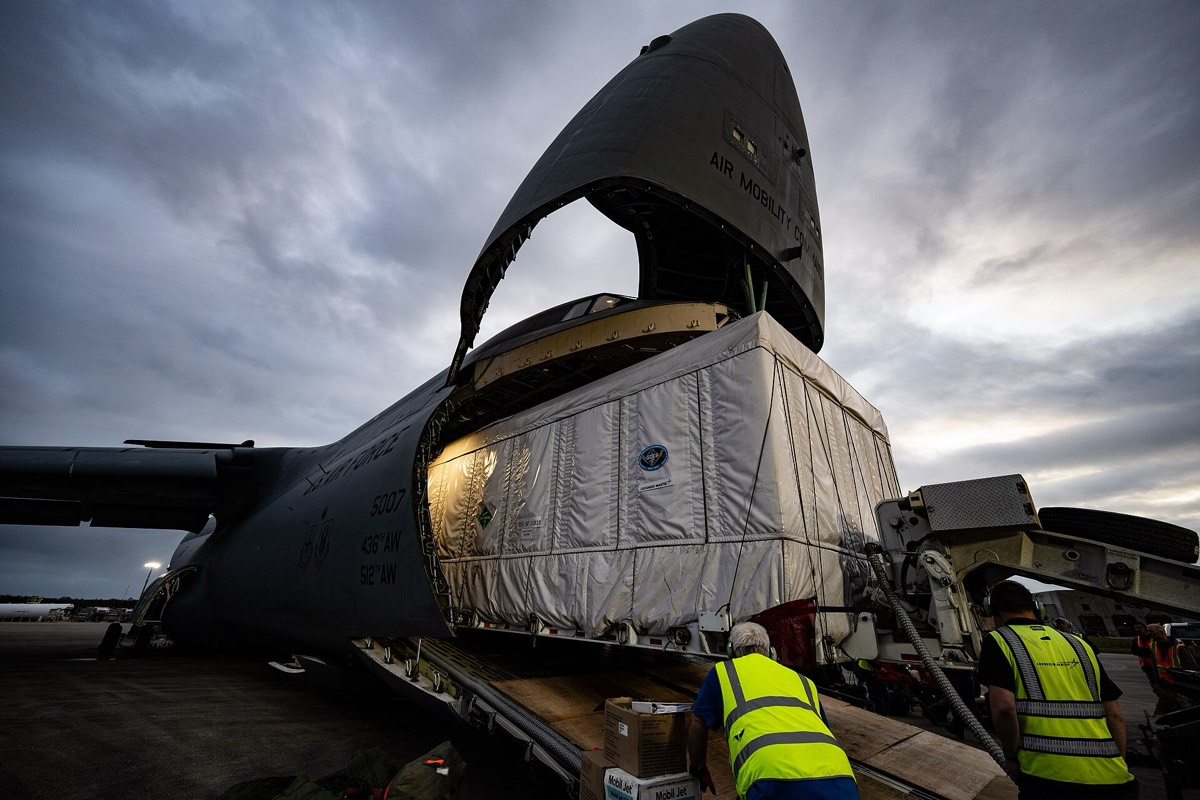
What the report asks Congress to do
It makes six recommendations. First, define the sector broadly, from ground to orbit: satellites, ground stations, tracking and command links, launch systems, user terminals, positioning, navigation and timing, space data services and the hardware, software and component supply chains. Second, make NASA the non-regulatory SRMA, with the budget above. Third, require a sector risk plan within a year of designation, including supply-chain vulnerabilities and "degraded operations" planning. Fourth, create three subgroups: national security, commercial and civil, and communications. Fifth, set cybersecurity and resilience standards for systems that support critical missions, covering items such as firmware integrity, secure updates, backup navigation and supply-chain risk management. Sixth, require regular "space zero day" exercises that test a sudden loss of space services.
FDD says designation should neither create a new regulatory regime nor displace existing authorities. It also concedes that NASA is not currently structured or resourced to secure the whole space ecosystem.
The threat case in numbers
FDD cites US Space Command's March 2026 assessment that China operates more than 500 intelligence, surveillance and reconnaissance satellites, and the Space Force's April 2026 outlook, which warns that one day without space services could disrupt weather alerts and emergency response, ground aircraft, reroute ships and halt financial markets. Its Russian examples are the 24 February 2022 attack on the Viasat KA-SAT network, the 2021 anti-satellite missile test that left more than 1,500 trackable pieces of debris, and Space Command's March 2026 warning that Moscow is developing a nuclear anti-satellite weapon. It also counts more than 10,000 active Starlink satellites by early 2026 as evidence of how commercial the sector has become. These are FDD's citations of government assessments; the report is advocacy, not an official finding.
Where the argument is
Industry fear of regulation is the usual explanation for why designation stalled. Jake Braun, a former White House principal deputy national cyber director, says both the Biden and Trump administrations seriously debated it and that many in the sector wrongly assumed designation would bring banking-style rules; he says it mainly formalizes information sharing. Clay Mowry, chief executive of the American Institute of Aeronautics and Astronautics, calls designation double-edged: heavier regulation on one side, possible government support for services such as disaster-recovery connectivity on the other. Karen Schwindt of RAND argues the more urgent task is putting resilience measures in place whether or not a new sector exists, partly because space cuts across every existing sector rather than fitting inside one. Sam Visner, chairman of Space ISAC, argues that a formal designation would also tell adversaries the United States regards these systems as essential.
What no one has settled is who pays and who leads. NASA would gain a new mission without, today, the staff to carry it out. CISA, the FAA and the FCC would keep their authorities on paper while handing sector-wide coordination to NASA. Operators would gain a single federal contact and clearer threat sharing; under FDD's plan, those with federal contracts would meet the new baseline through procurement, and the rest would adopt it voluntarily. H.R. 1154 remains in committee, so the report's central ask has no bill moving behind it. The Satellite Cybersecurity Act, which has passed the Senate, would add voluntary guidance and a GAO review but would not create a sector.