Google books a New Glenn launch for orbital AI
Published
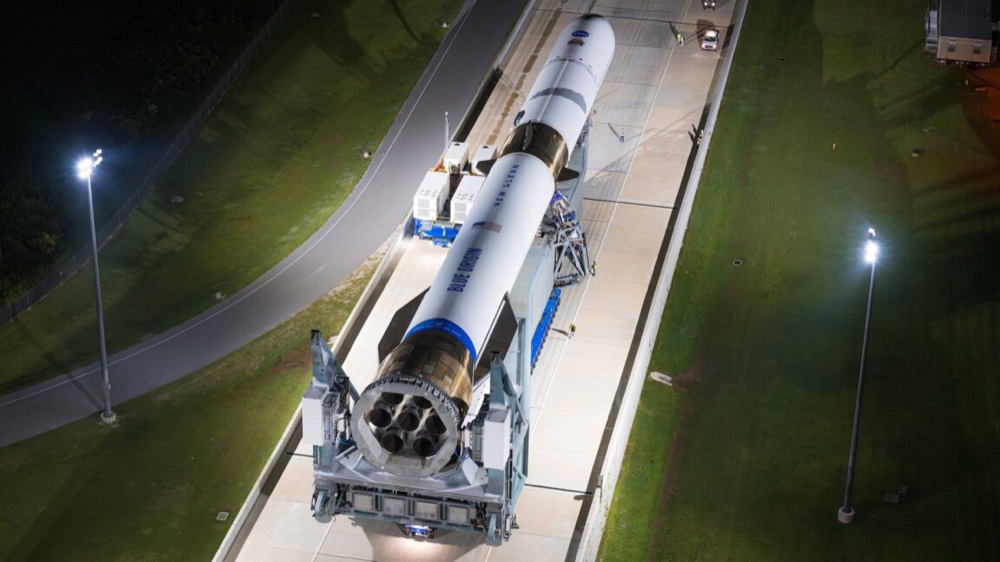
Google has booked a launch with Blue Origin for Project Suncatcher, its plan to run AI computing in orbit. According to Ars Technica, the mission will fly in 2029 on the smaller 7x2 version of New Glenn. Google did not say who is building the satellites.
Google’s Travis Beals called Suncatcher “a long-term moonshot to scale AI infrastructure in space by tapping into the abundant solar power in orbit.” In the news release, he called the Blue Origin flight “a crucial milestone on our roadmap.”
Ars Technica expects the 2029 flight to be a technology demonstration. It would test networking solar-powered satellites with AI chips and show machine-learning computing in space. The satellites may weigh several tons.
The bigger question is cost. Google said when it announced Suncatcher a year ago that it was planning for the mid-2030s, when launch costs could fall to as little as $200 per kilogram. Ars says only SpaceX’s Starship is likely to reach that price. SpaceX also plans its own orbital computing, so Google could end up dependent on SpaceX’s prices.
New Glenn has launched three times so far, according to Ars. Google’s single launch could grow into more, but it is not yet a plan for a constellation. Can orbital data centers make money without a cheap heavy-lift rocket?