Last ice on Indonesia's Puncak Jaya is nearly gone
Published
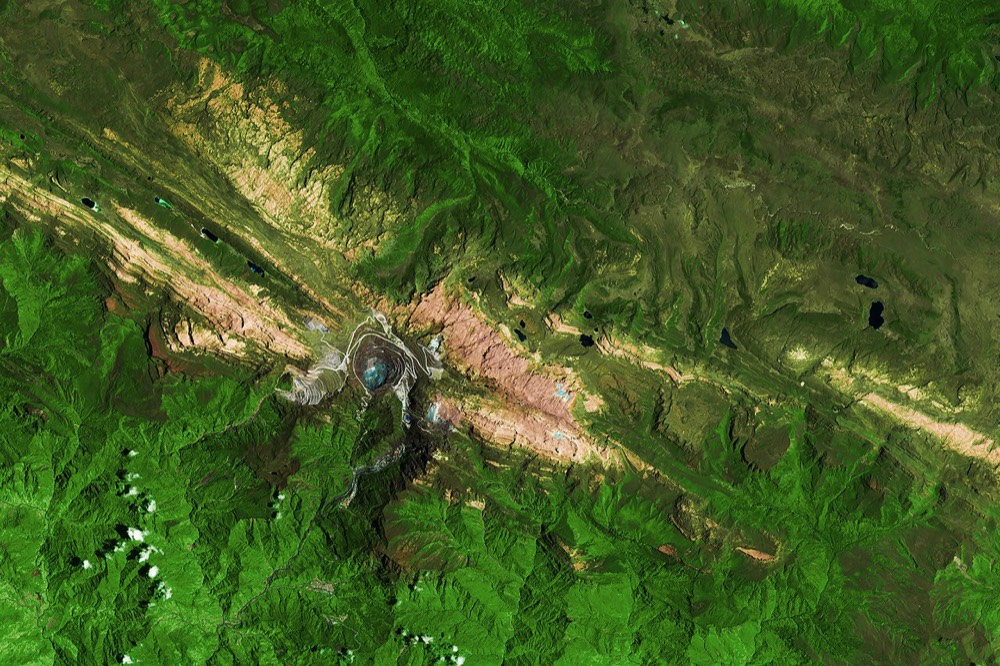
Satellite images show that the last glaciers near the summit of Puncak Jaya, in Indonesia's Sudirman Range on New Guinea, have shrunk to scattered patches. NASA Earth Observatory compares a 1988 false-colour image with a 2026 Landsat image. The ice that capped several of the highest ridges in 1988 is mostly gone, and bare rock now shows between the few fragments that remain.
The figures come from Donaldi Permana, a climate scientist at Indonesia's meteorological and geophysical agency, BMKG. He says the glaciers covered about 4.31 square kilometers in 1988. By September 2025, satellite and aerial data showed only about 0.09 square kilometers left, roughly 2 percent of the 1988 area and about a dozen soccer fields. An aerial survey planned for December should give an estimate for 2026.
The article says the glaciers sit near the warmest conditions in which ice can survive all year. As they thin, they break into fragments, and each new edge exposes more ice to melting. Snow still falls on the peak, but it does not last long enough on the bare rock to build new ice.
Why it matters: the Sudirman glaciers are among the few year-round ice fields near the equator, so their loss is a clear sign of how far warming has reached even high, cold places in the tropics.
Have you ever seen a glacier in person?