Perseverance finds organic carbon in ancient Mars rock
Published
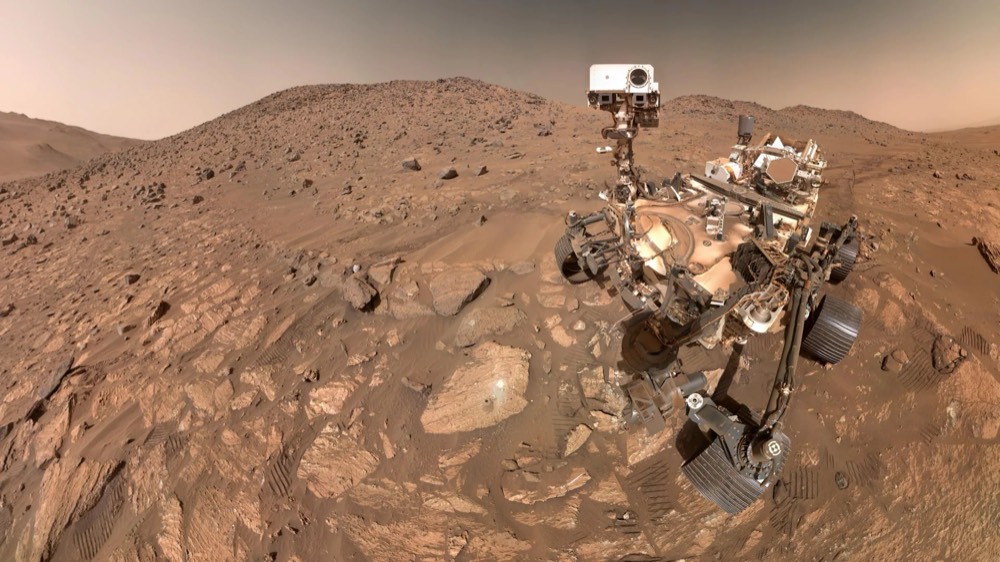
NASA's Perseverance rover has confirmed complex organic carbon in two ancient rocks on Mars, and the carbon sits just beneath the surface. The rocks belong to the Bright Angel formation in Jezero crater, where the rover's SHERLOC instrument examined several rocks using laser Raman spectroscopy.
According to ScienceDaily, which reports a study in Science Advances, the material is macromolecular carbon: large, interconnected networks of carbon atoms that are also found in rocks on Earth and in meteorites. Ashley Murphy of the Planetary Science Institute and Kyle Uckert, SHERLOC's deputy principal investigator, co-led the work.
Why does it matter? Organic carbon is one of the building blocks of life, and the study suggests such material may once have been widespread on Mars. But the carbon alone does not show that life existed. It can also form through chemical processes that do not involve biology. The result follows NASA's September 2025 announcement of a potential biosignature, which also had other possible explanations.
Easy question: do you think samples returned to Earth will settle whether Mars ever had life?
Sources: ScienceDaily