DexMat's Galvorn fiber wins Air Force cathode work
Published
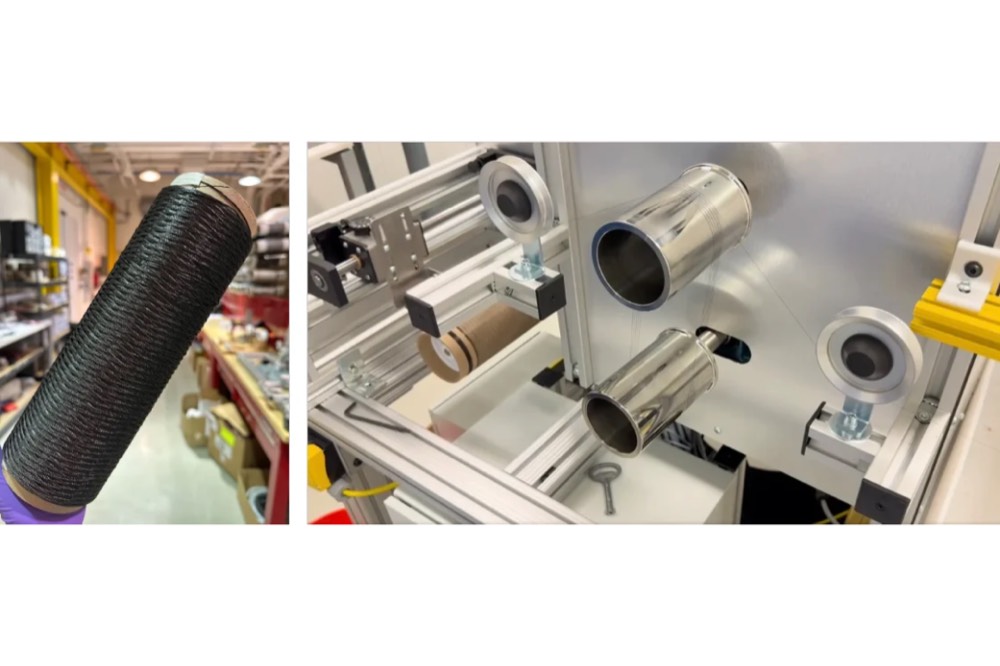
DexMat, a Houston company that makes carbon nanotube fiber under the Galvorn brand, has won a two-year contract from AFWERX, the innovation arm of the US Air Force. According to CompositesWorld, the contract began in August 2026. It requires DexMat to produce more than 1 kilogram of qualified Galvorn fiber for field emission cathodes.
Those cathodes are used in high-power microwave systems. DexMat says the cathode material sets a hard limit on how much power these systems can produce and how reliably they can be built. The work builds on years of funding from the Air Force Research Laboratory, which began when Galvorn was a research project at Rice University.
DexMat says it already ships Galvorn fiber, yarn, fabric and film to aerospace, defense and energy customers. In its own testing, the company says Galvorn is 97% as conductive as copper per unit of mass, at one-fifth of copper's density. Those are company figures, not independent results.
Why it matters: carbon nanotube fiber is still a young material, and a defense cathode contract is a real test of whether it can be made in quantity. DexMat's fiber is also a different process from Miralon, the nanotube yarn now owned by Huntsman. DexMat spins fibers from nanotubes it buys in, while Miralon makes its own.
Would you trust a carbon nanotube wire to replace copper in a spacecraft?
Sources: CompositesWorld