SWISSto12 Clears Design Review for 5G Antennas
Published
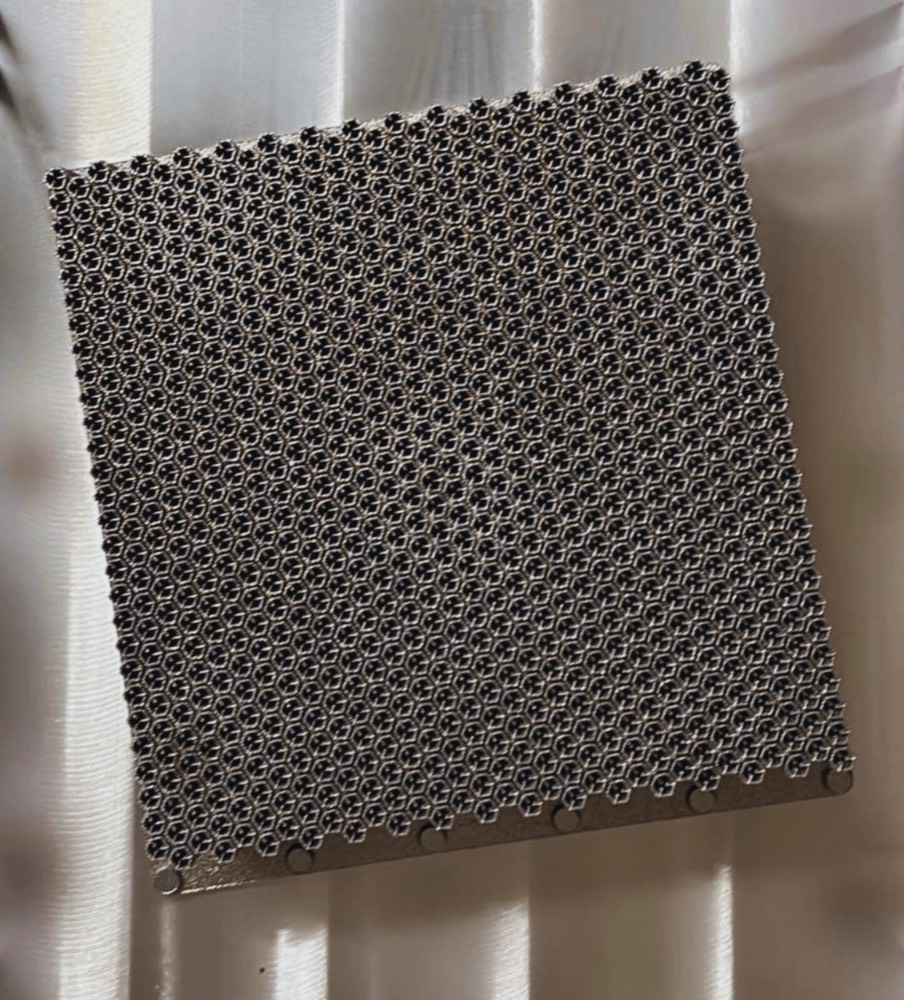
SWISSto12 has completed the critical design review for two active phased-array antennas for the French satellite company UNIVITY. According to the company, the review clears the way to build flight hardware and start further testing. SWISSto12 says it finished the review in less than a year.
The antennas are part of UNIVITY's uniShape program, which is supported by France 2030 and the French space agency CNES. One unit is an S-band antenna for direct links between satellites and standard 5G phones. The other is a Ka-band antenna at 26 GHz for broadband and links to ground stations. 3D Printing Industry reports the details from the company.
SWISSto12 uses its own 3D printing to make the passive radiating front ends. Its beamforming electronics and digital controls sit on top, so the beam can steer without moving parts. UNIVITY plans a constellation in very low Earth orbit that uses telecom operators' existing 5G spectrum.
I think the useful part is the step itself. Printed radio hardware is moving from test pieces toward flight parts. These performance claims come from the company, so independent test results will matter more than the review milestone.
What would you want to see before trusting a printed antenna in orbit?