Sophia Space tests orbital computing on Kepler sats
Published
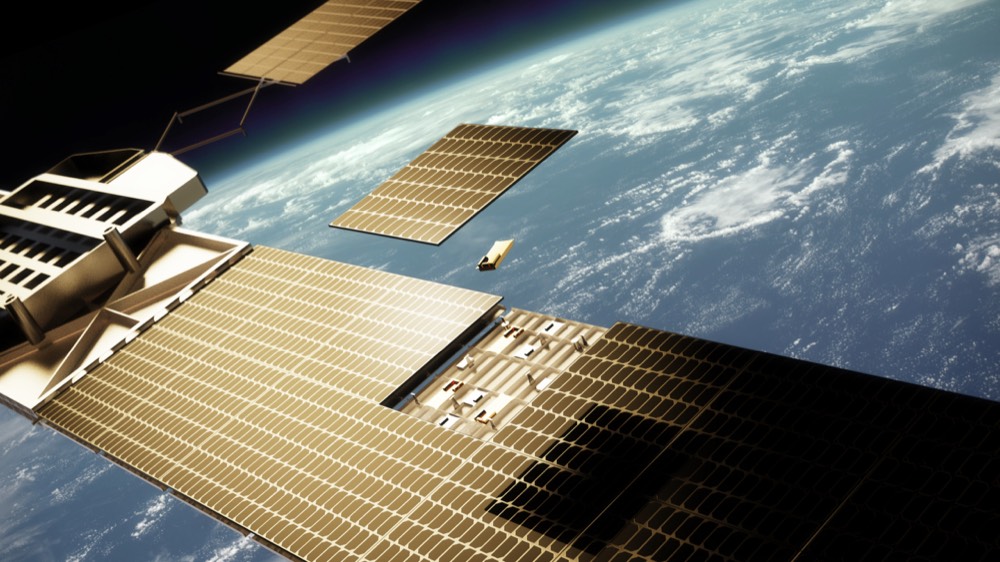
Sophia Space has deployed its Sophia Orbital Operating System, SOOS, on several optical data relay satellites from Kepler Communications, according to Payload. The company announced the test as the first in-space milestone toward its goal of orbital computing.
SOOS uses managed Kubernetes, open-source software that runs applications across a group of computers, to spread work over several satellites. In the test, it ran on three processors on each satellite and kept a fourth in reserve. Sophia says SOOS unpacked itself on one satellite, copied itself onto two more processors, then jumped across an optical link to a second Kepler satellite.
Sophia's chief executive, Rob DeMillo, told Payload the test is the first time there will be a distributed network computer in orbit. He said success was the moment the two satellites began talking to each other. Sophia has one customer signed and a second ready, though it has not named either. It charges for GPU use the same way a data centre would.
Why it matters: the company is betting that data can be processed in orbit before it is sent down. Still, its own compute modules, called TILEs, have not flown yet. DeMillo says the next challenge is building thousands of servers a month. The company pitches use cases such as missile warning and disaster response, but those are its own claims and have not been tested by anyone else.
Would you rather process satellite data in orbit or send it to the ground first?