3D printing in space: Orbital Matter prints a beam in orbit
Published
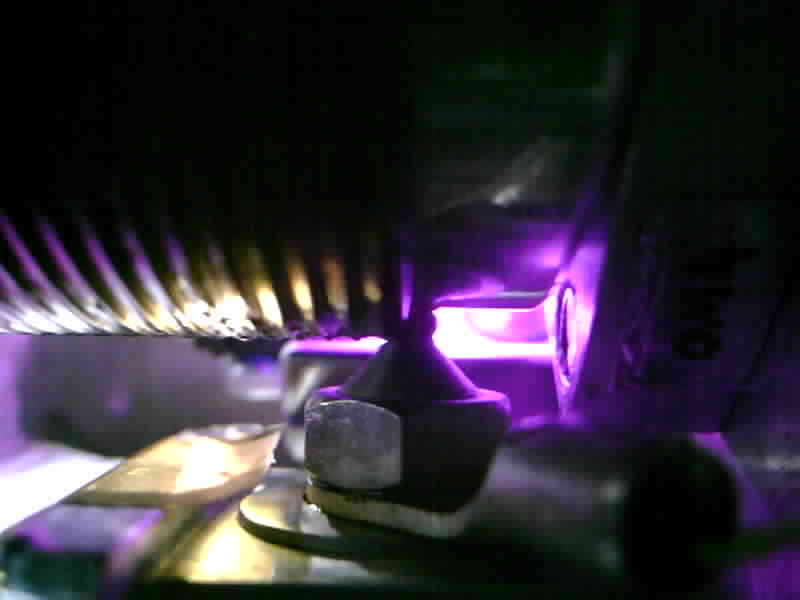
A small satellite just 3D printed a beam in open space. Not inside the space station, where printing has been done before, but outside, in vacuum. The company is Orbital Matter and the satellite is called Replicator 2. I find this one exciting. Today every solar panel and antenna has to be folded up tightly to fit inside a rocket, then unfolded in orbit. If a satellite can print its own structure once it is up there, that whole problem starts to go away. You launch a small box and it grows its own arms. The way it works is simple. The printer pushes out a resin in a spiral and ultraviolet light hardens it on the spot. The company says the beam is 30 cm long and took about half an hour to print. I would be a little careful with the headlines though. TechCrunch wrote that the beam is half a metre and that it already opened a solar array. The company's own page says 30 cm, and calls the solar array the next step. So the print looks real, but some of the bigger claims are ahead of what the company itself says. The thing I keep wondering about is the plastic. Space is hard on plastics. Sunlight, oxygen atoms and the swing between hot and cold wear them down over time. Printing a beam is one thing. A beam that stays straight and strong for years is another, and nobody has shown numbers for that yet. I hope the company publishes them. Still, for a satellite the size of a suitcase, this is a big step. The next mission is planned for 2028 with a much larger solar array. What do you think: will satellites print their own parts in ten years, or will this stay a demo?